Business Daily – Anglia TV Chief Executive Interview
New, it's not
Quality: ST
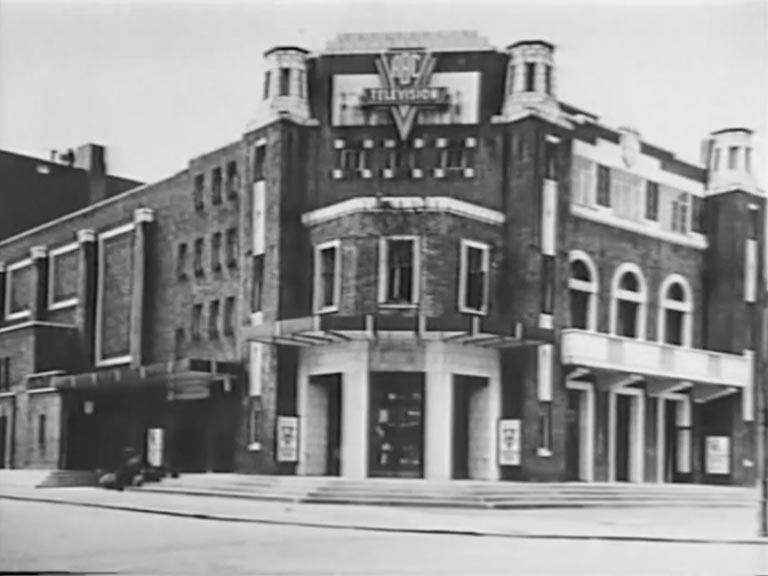
ABC operated a northern studio centre in Manchester and a sales office based in Television House in the city centre. The production facility was converted from a former Capitol cinema in Didsbury. ABC vacated both premises during 1968.
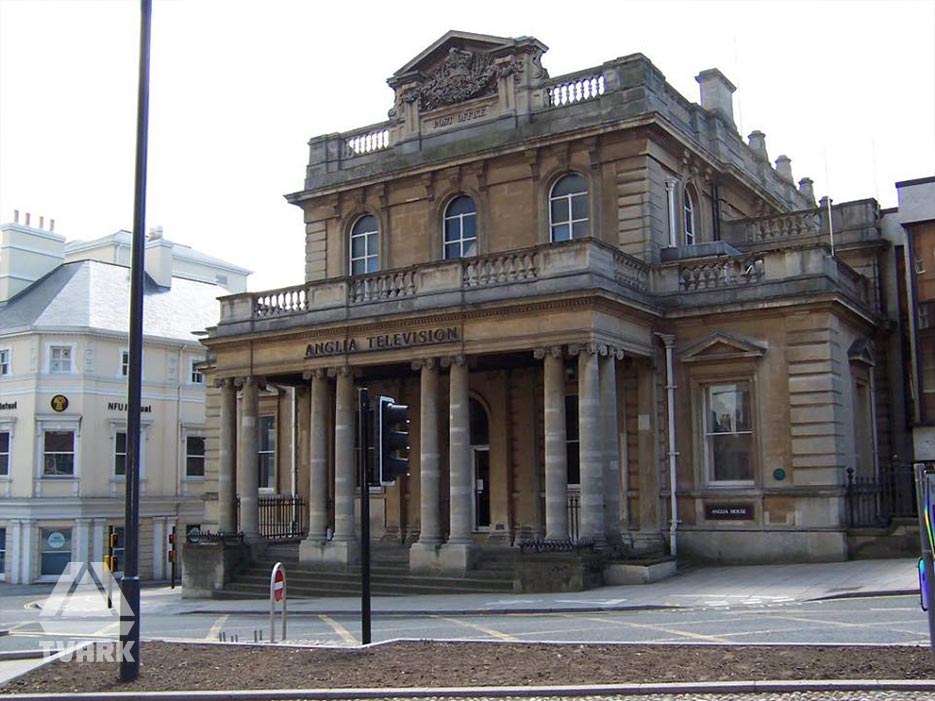
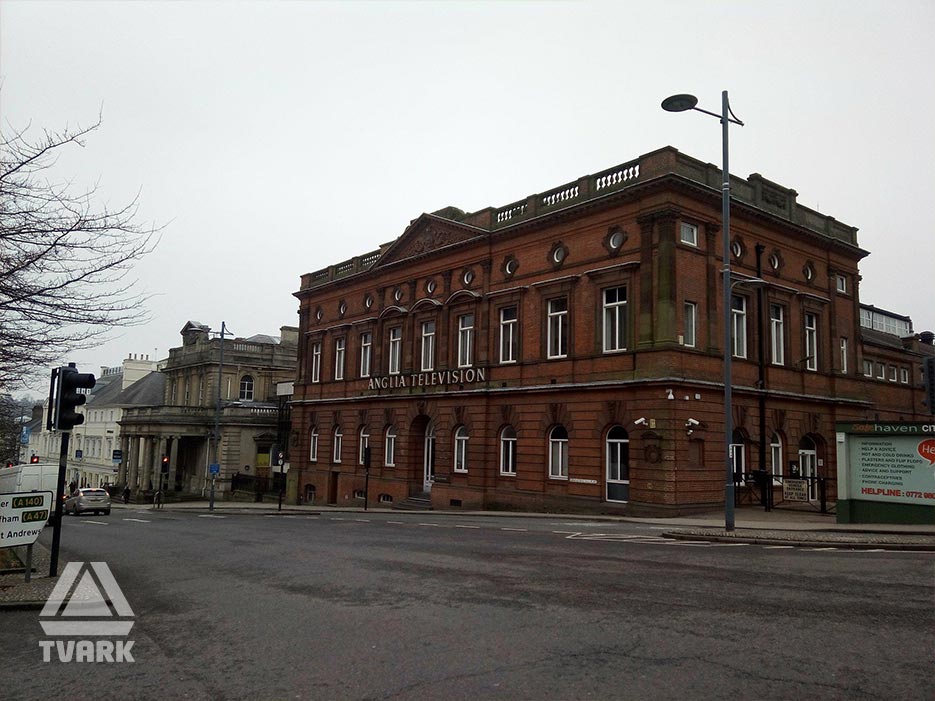
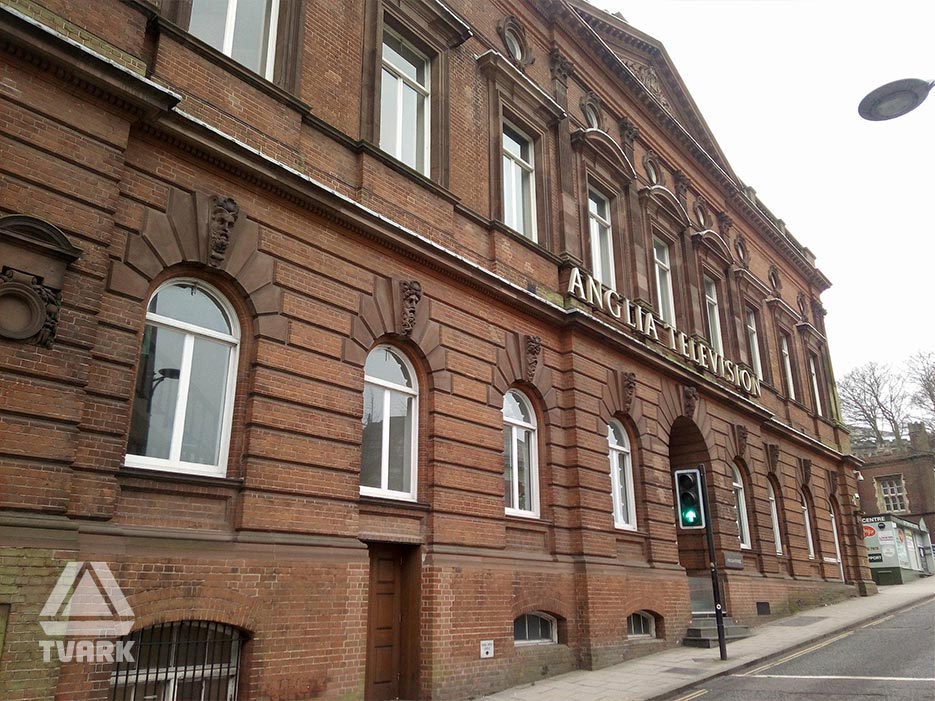
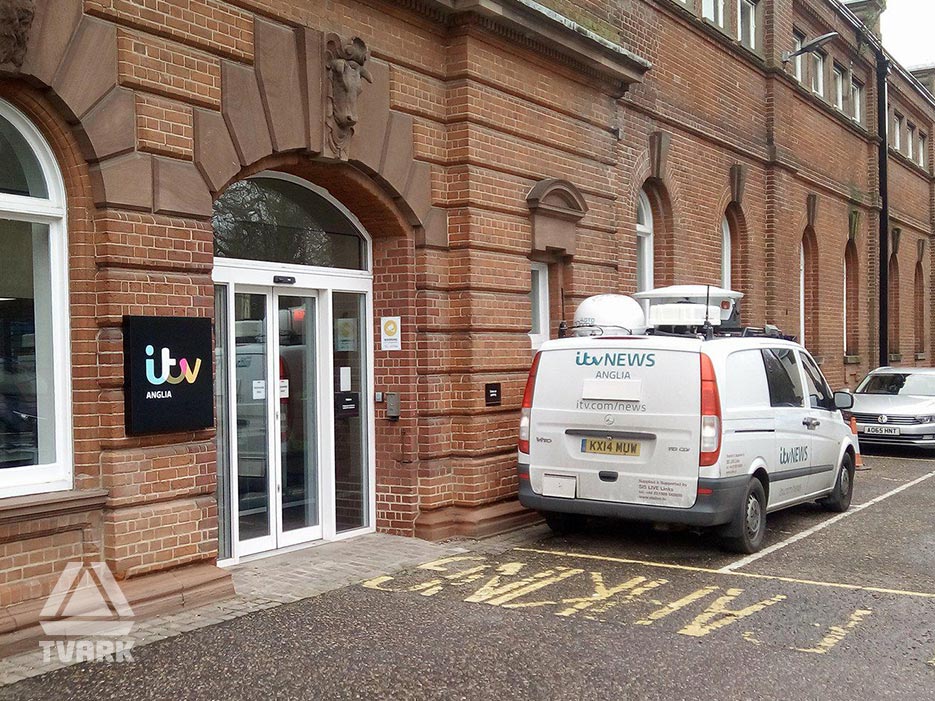
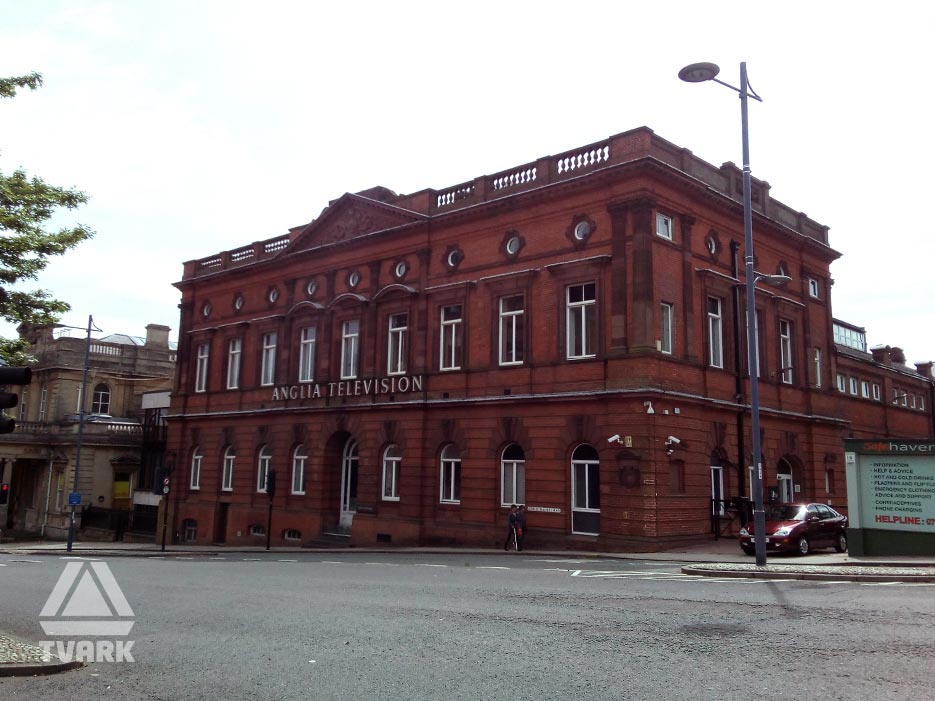
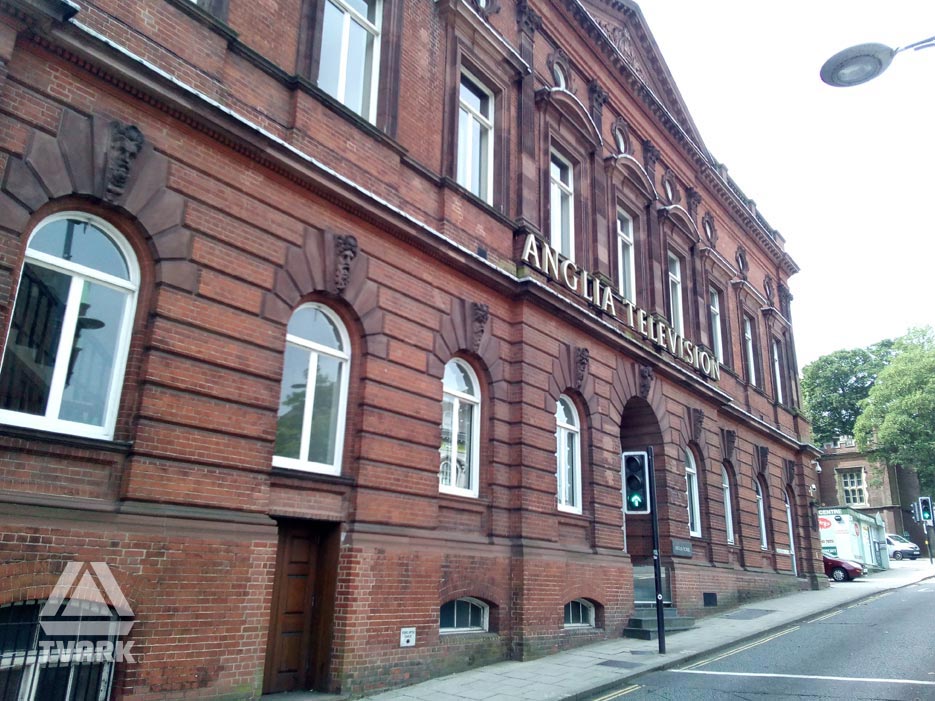
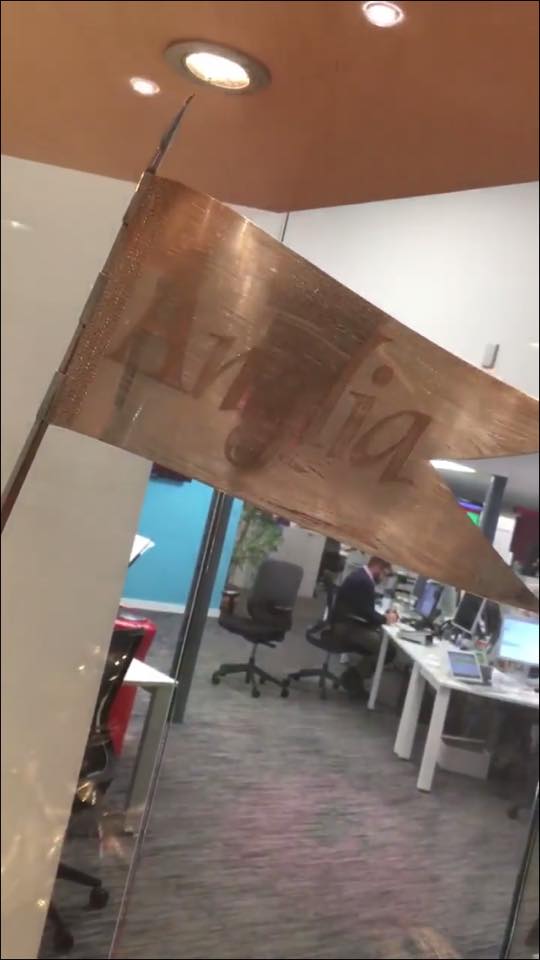
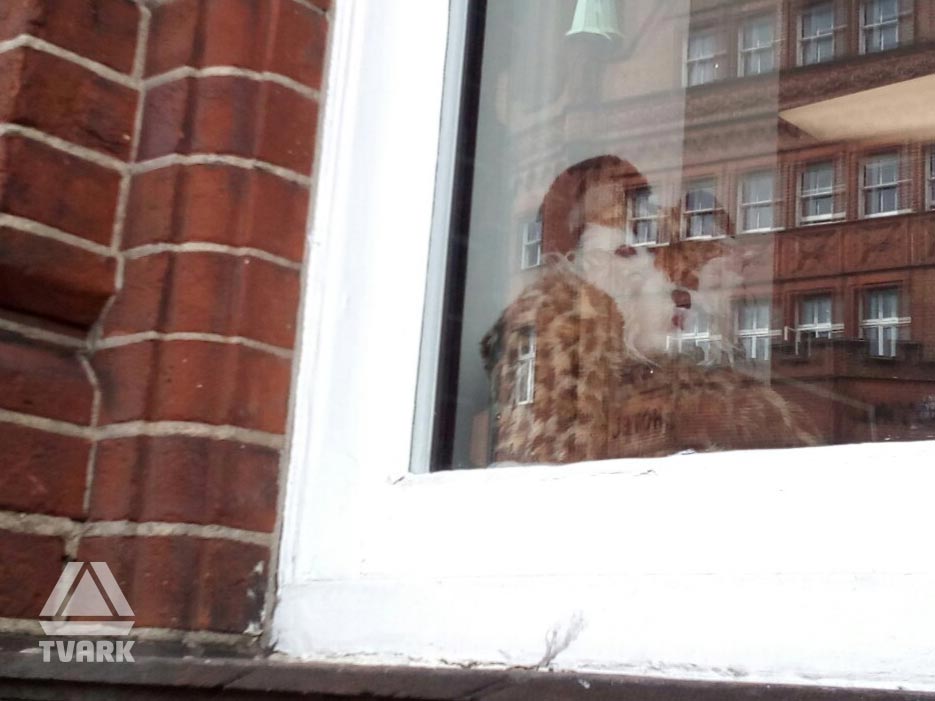
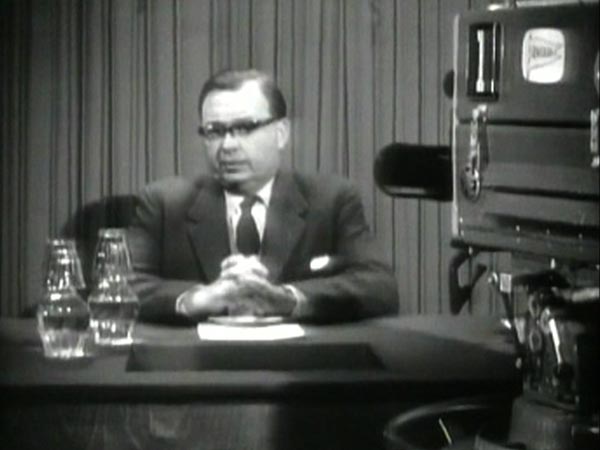
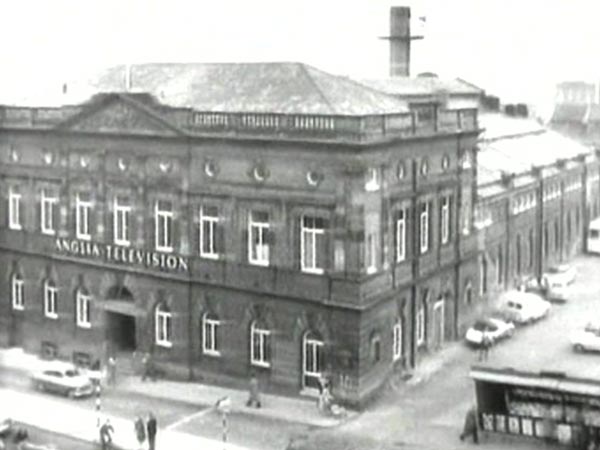
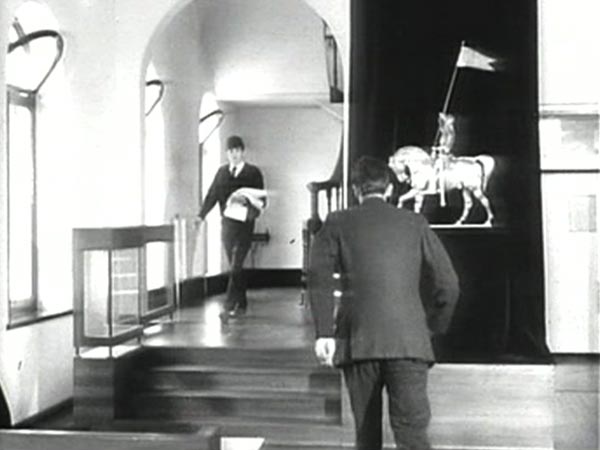
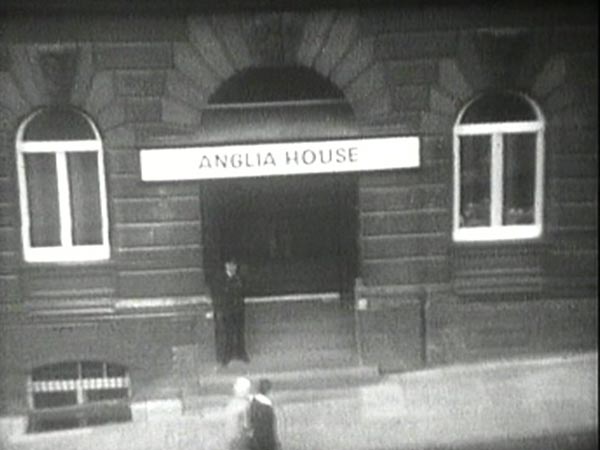
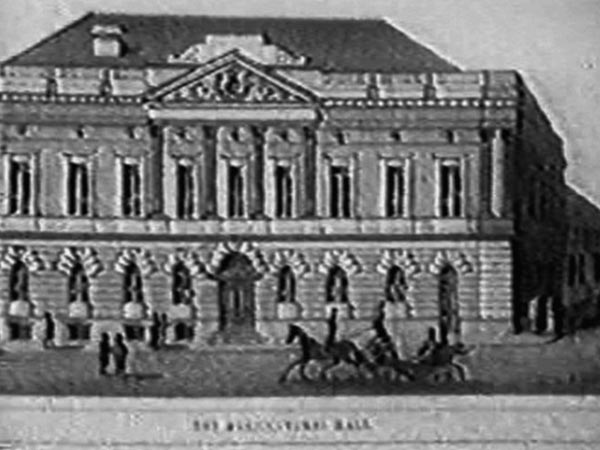
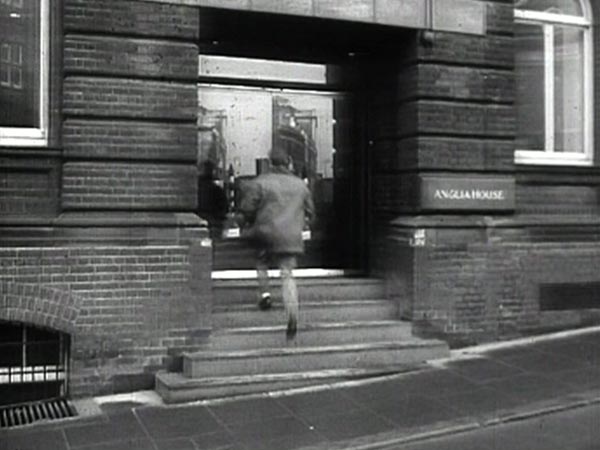
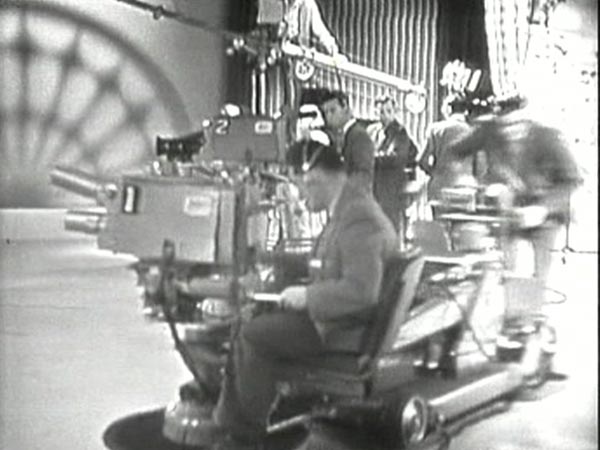
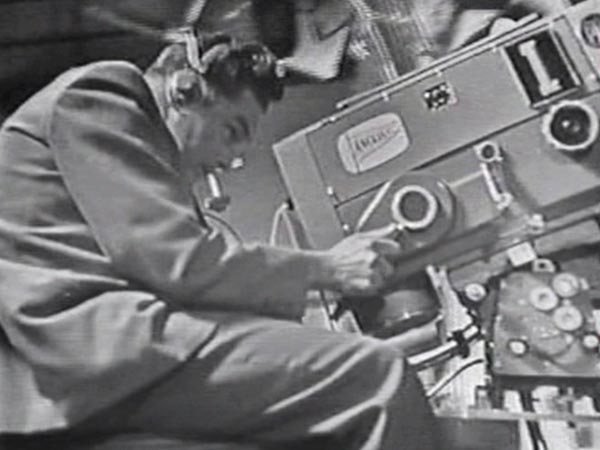
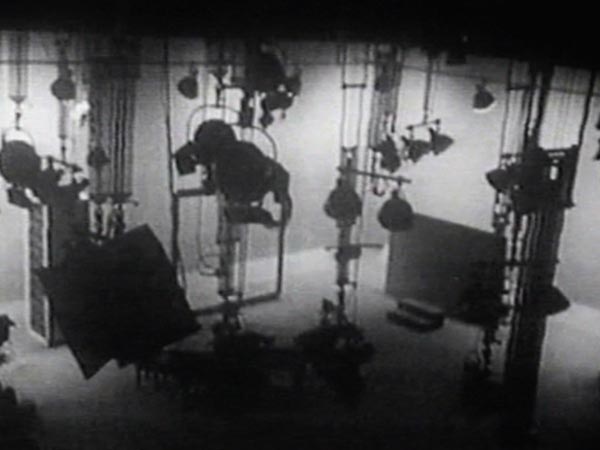
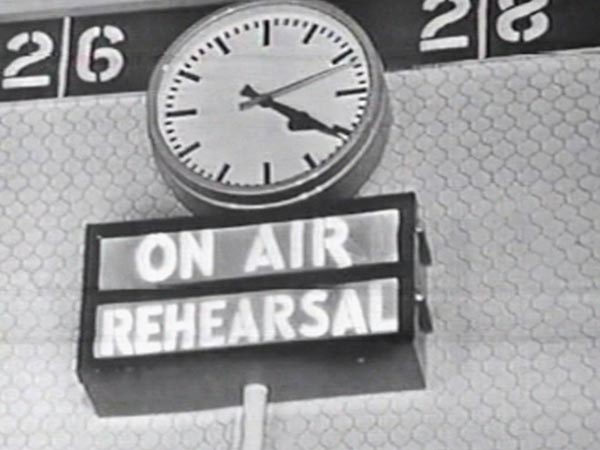
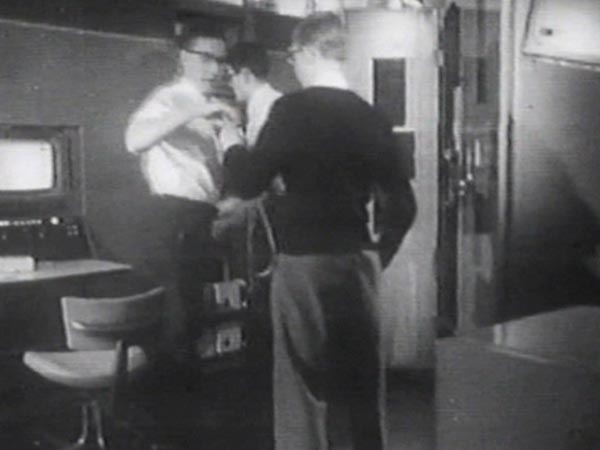
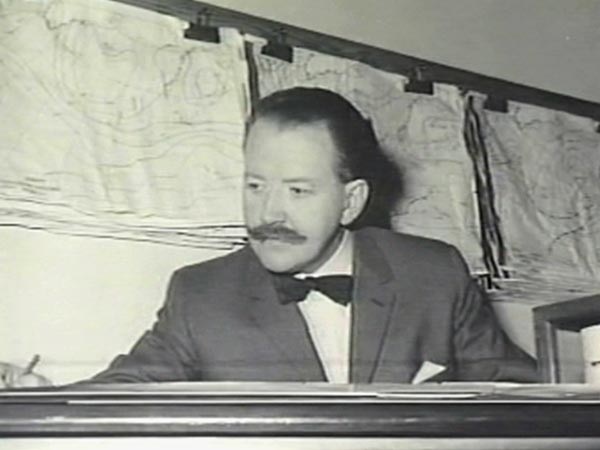
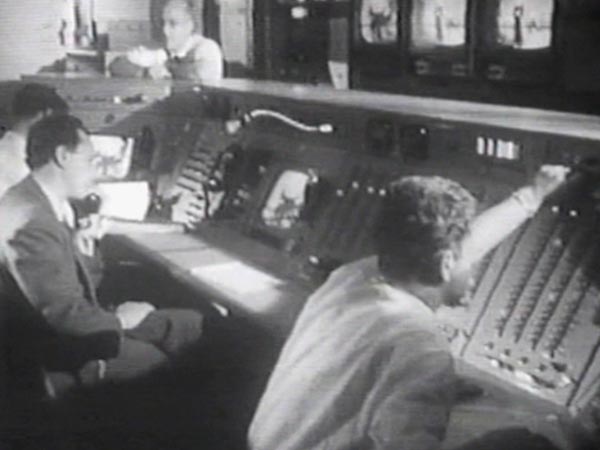
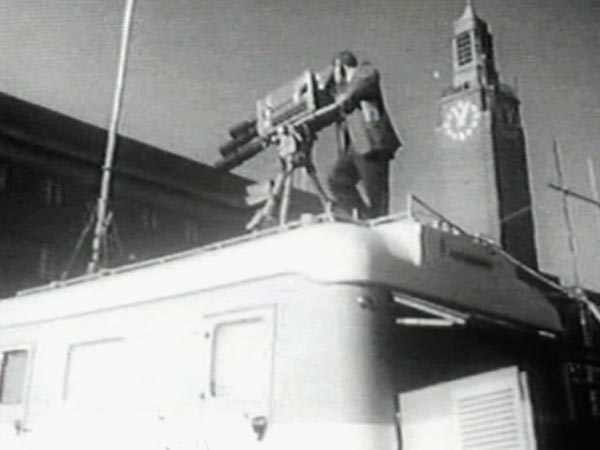
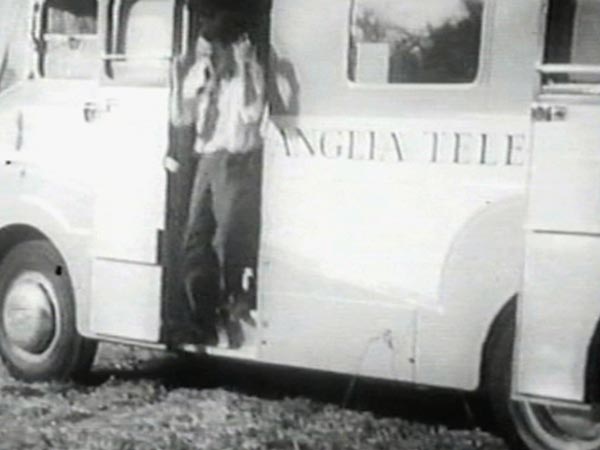
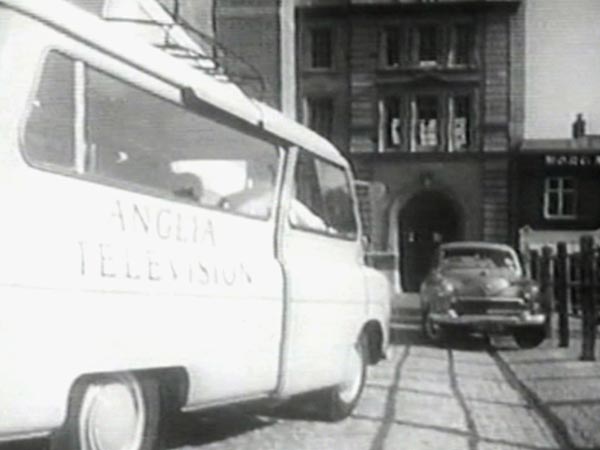
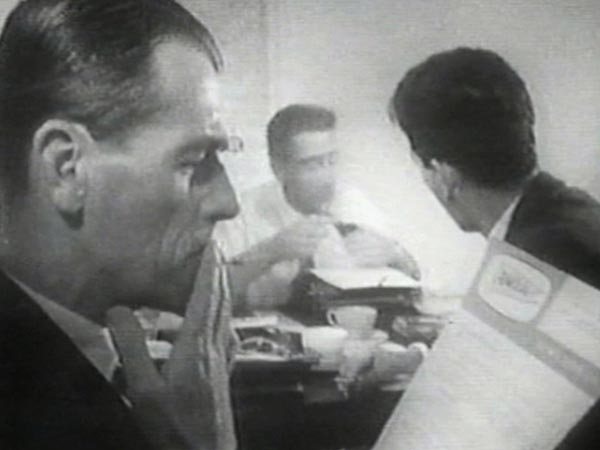
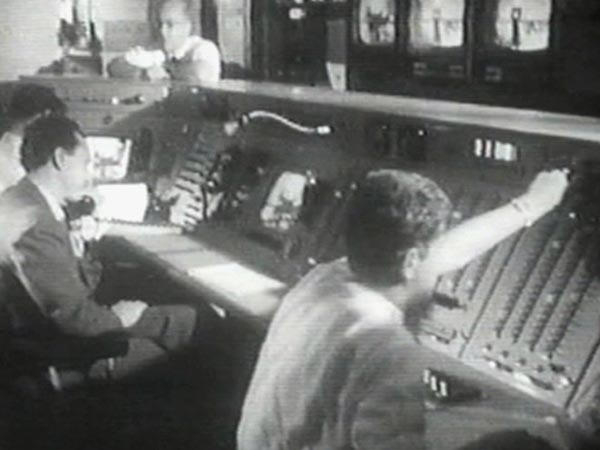
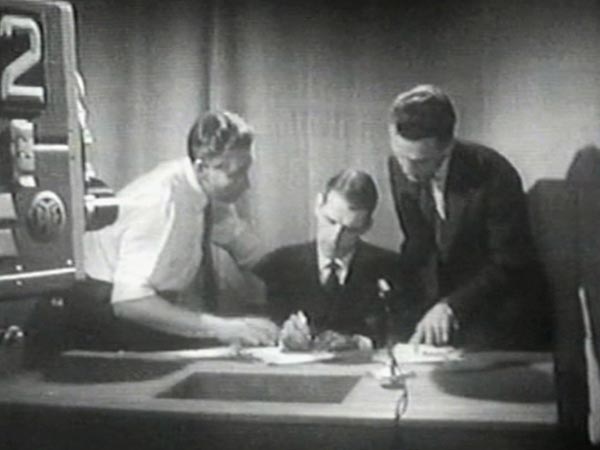
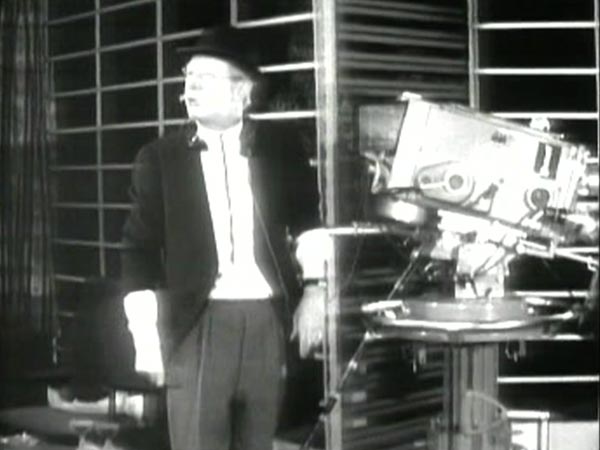
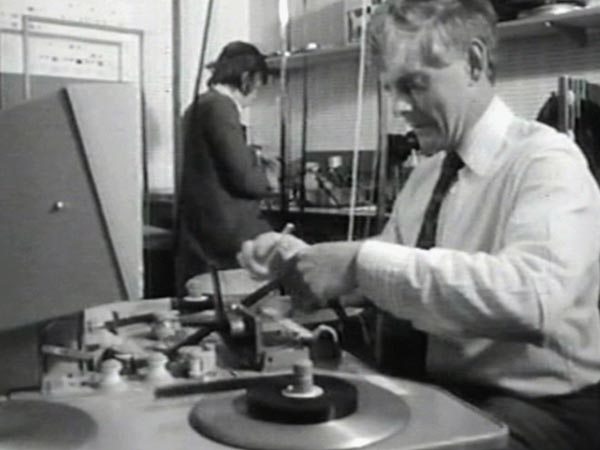
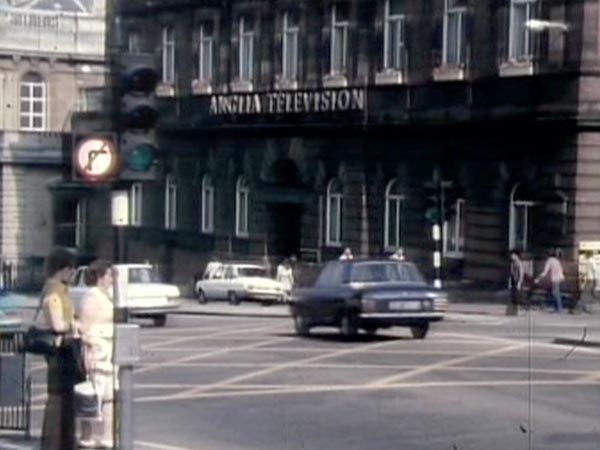
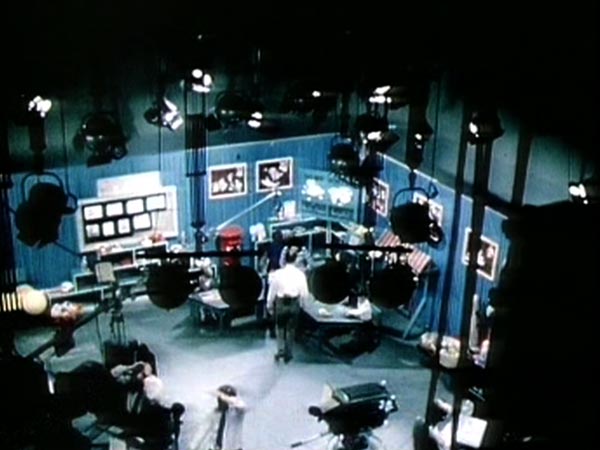
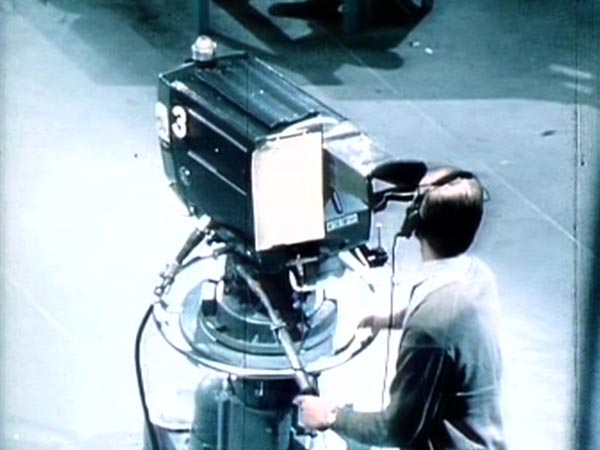
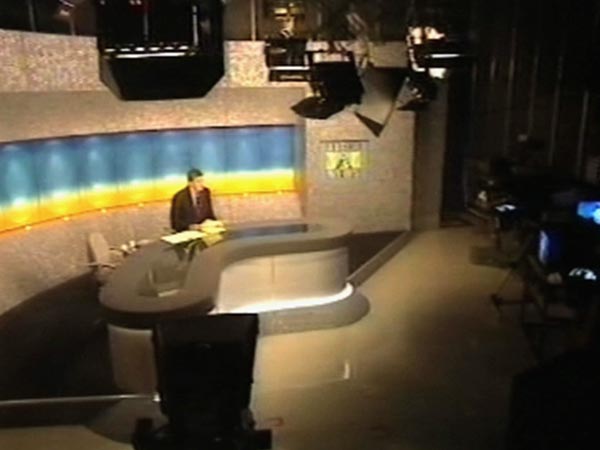
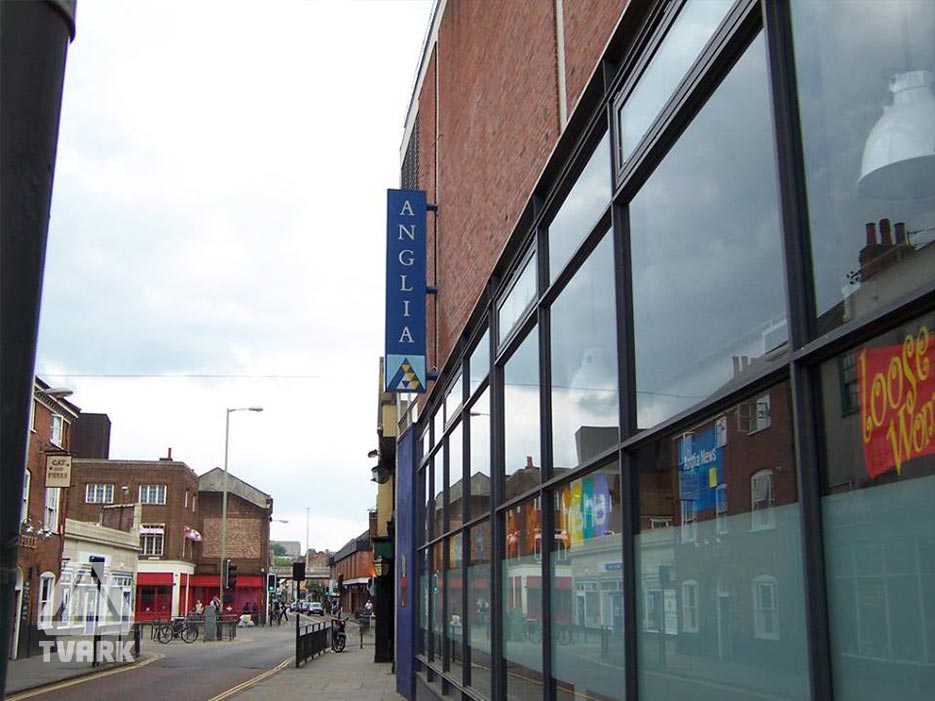
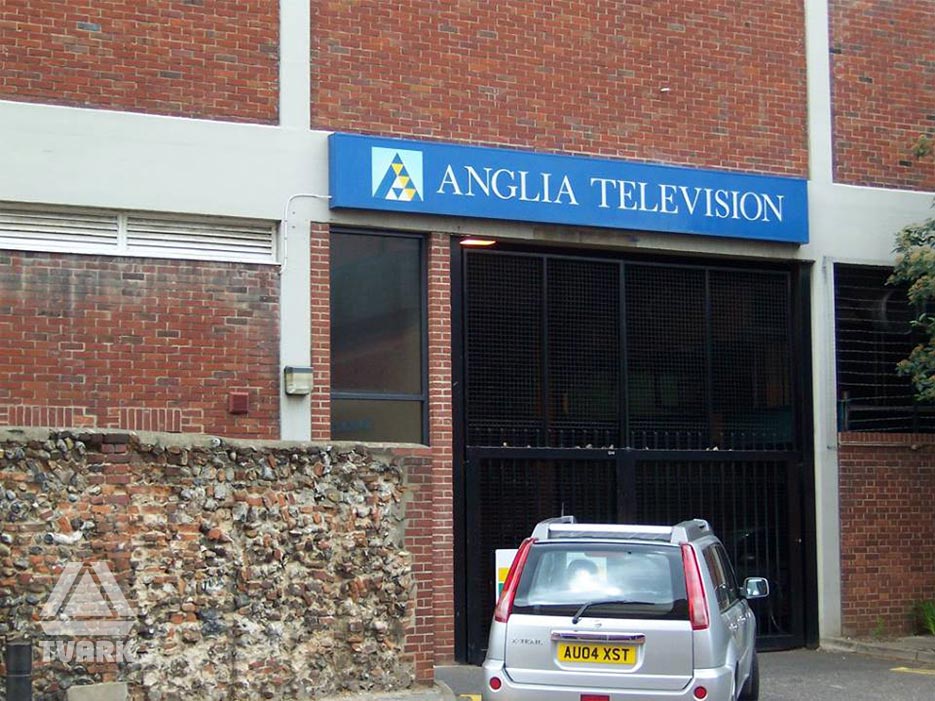
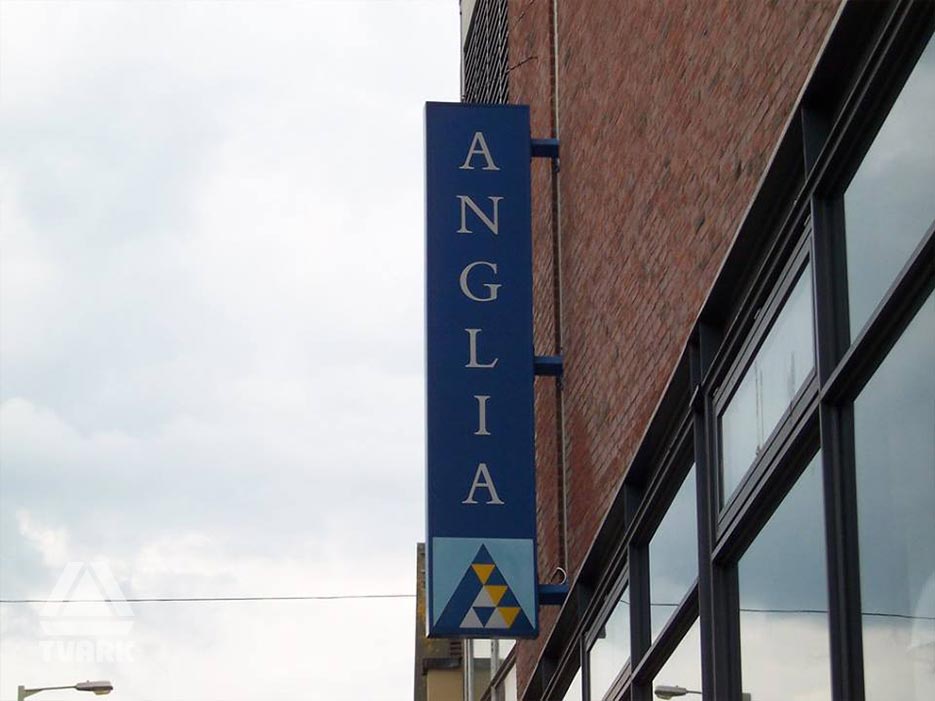
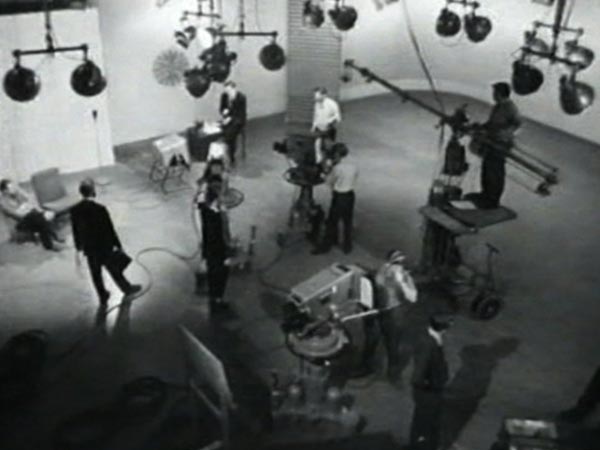
Anglia TV retained its headquarters at the historic Anglia House building in Norwich, which contains four studios and offices for the company. As Anglia's production grew the company also expanded, buying a former bowling alley in Magdalen Street in the late 1970s and creating a further studio, referred to as 'Studio E'. While larger productions moved here, as did the news service in 1999, some smaller productions (such as regional programmes) continued at Anglia House.
New, it's not
Quality: ST
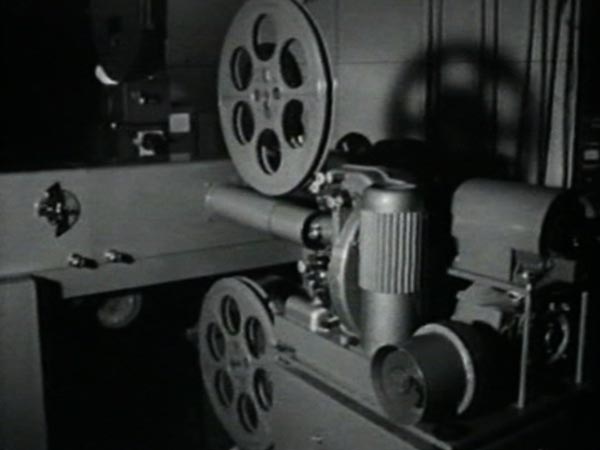
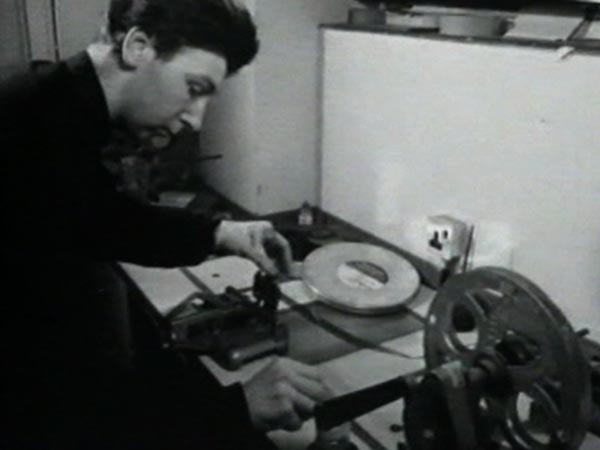
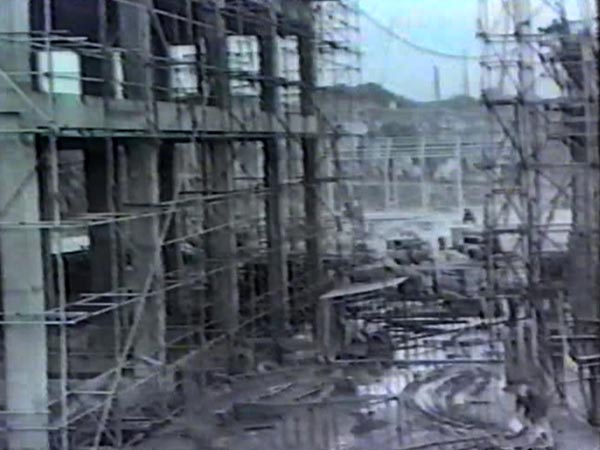
Some early images of Anglia House
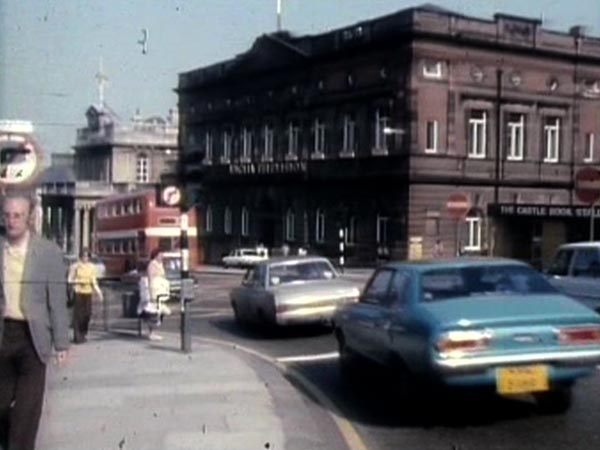
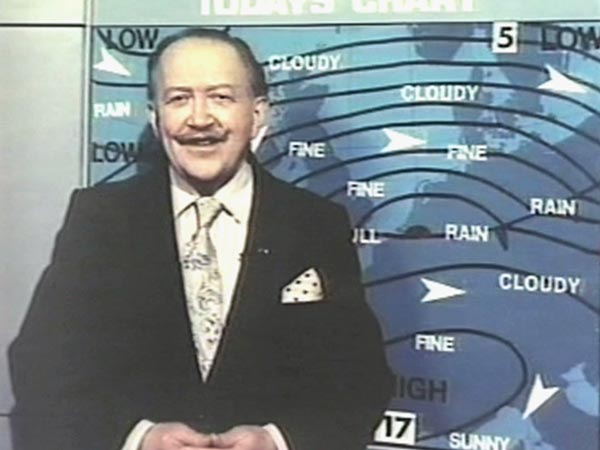
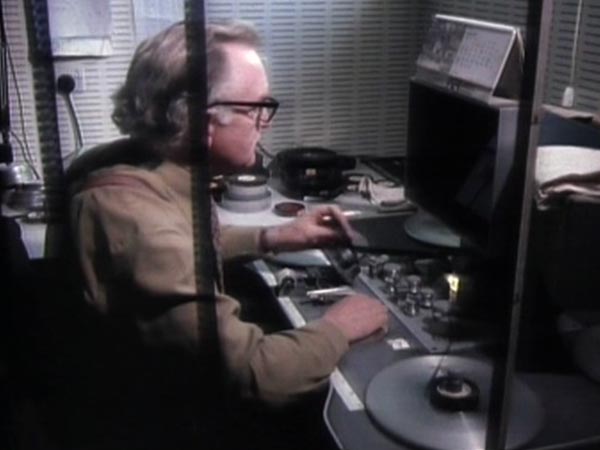
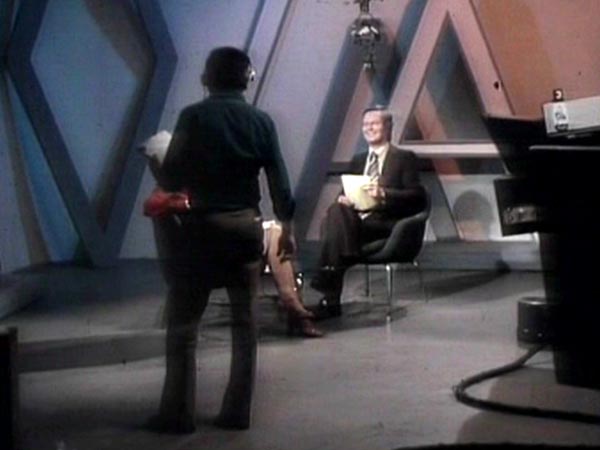
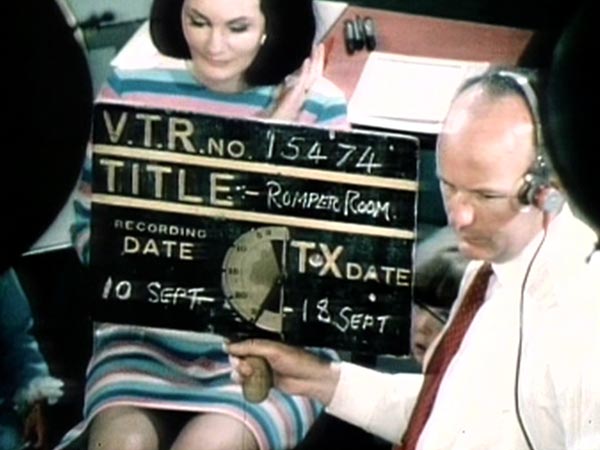
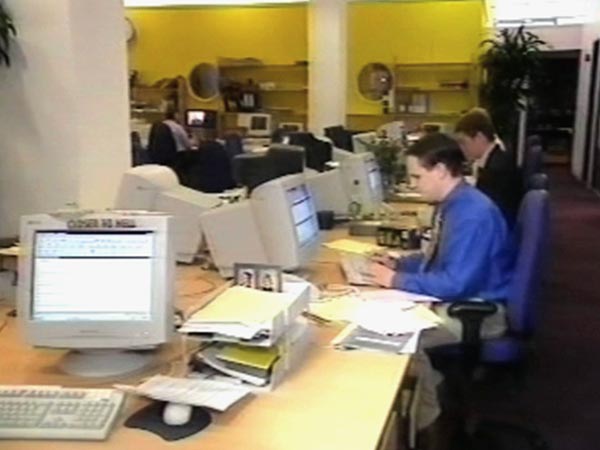
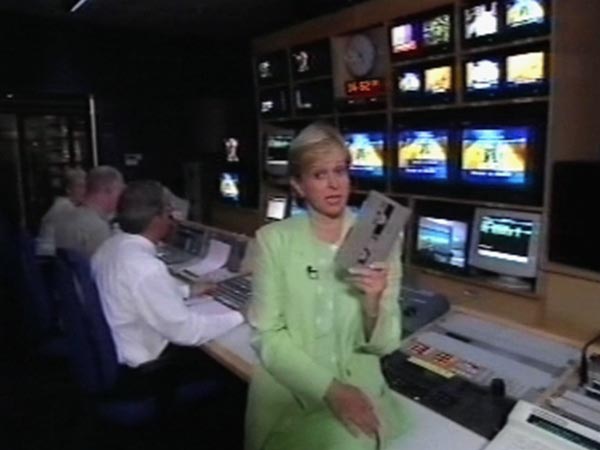
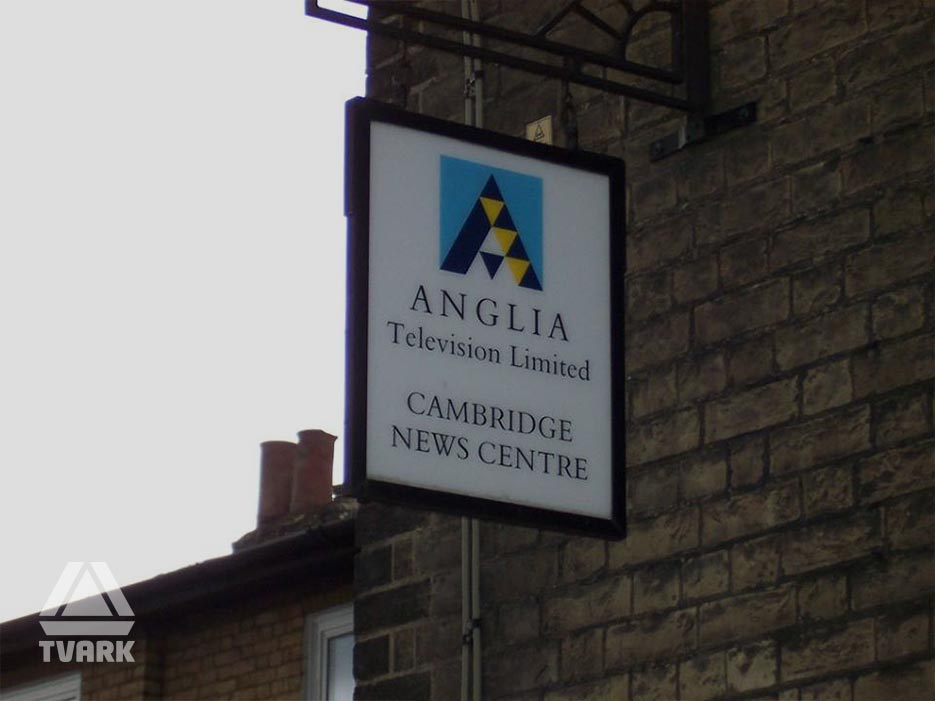
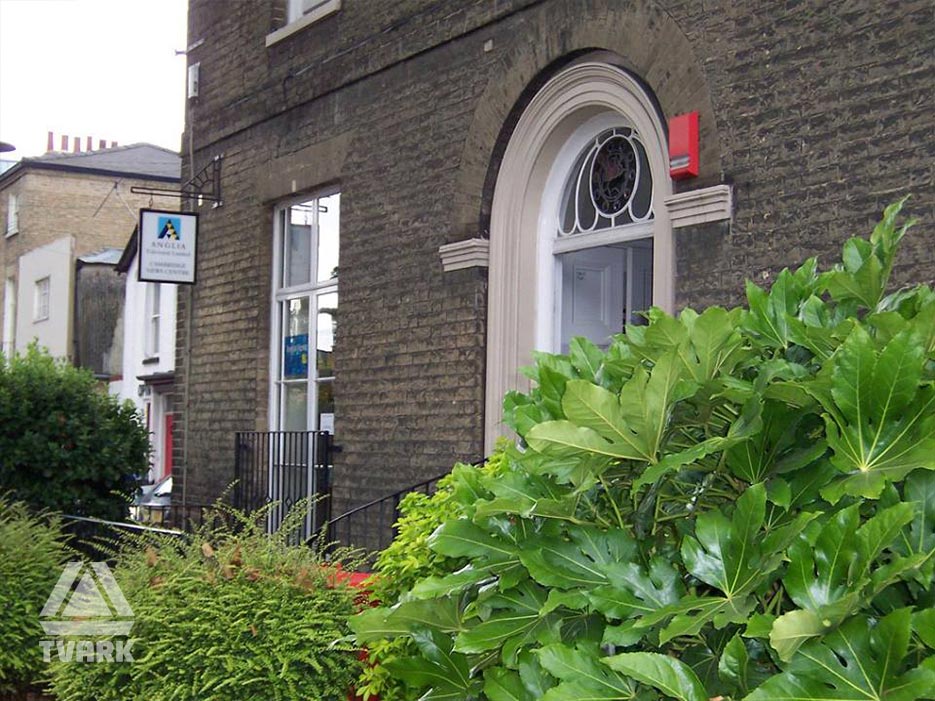
HTV West were based at Television Centre in Bath Road near Arno’s Vale, Bristol, which they took over from TWW. ITV plc continue to have operations in the city and today, the Bristol headquarters are home to ITV West Country’s news programme ITV News West Country. ITV have however since sold the building to Cube Real Estate, a commercial property developer, which has refurbished the interior of the building. While ITV West Country maintains office space and a single ground floor studio, the other floors are available to rent as office space. The property is marketed as ‘Bath Road Studios’.
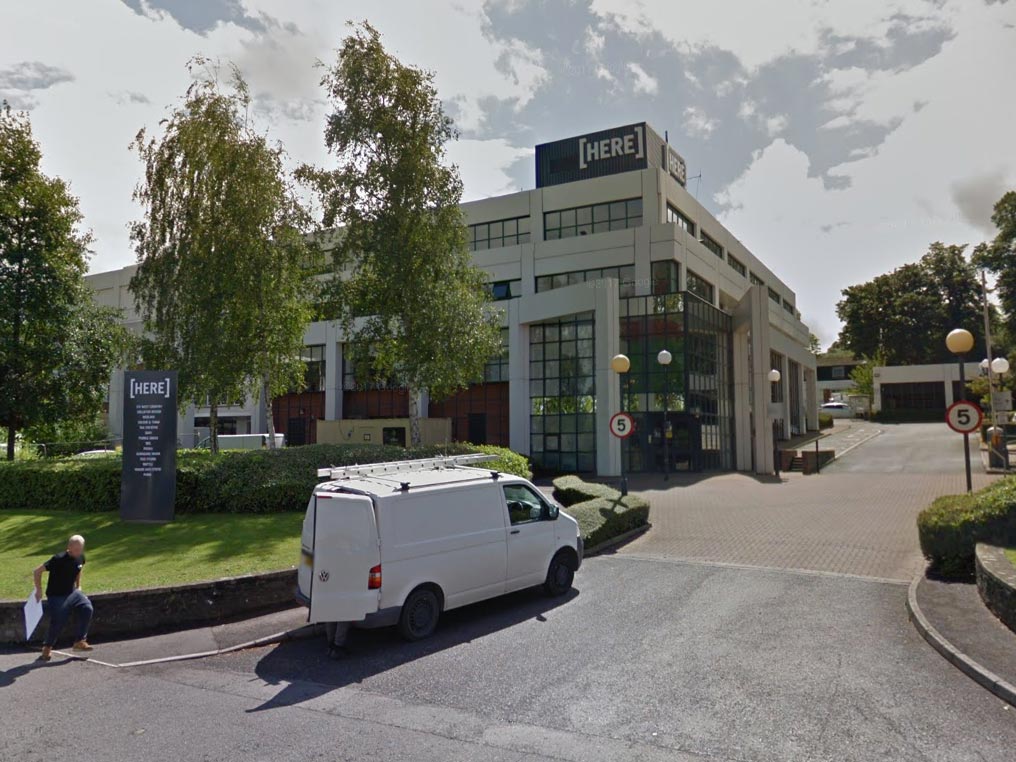
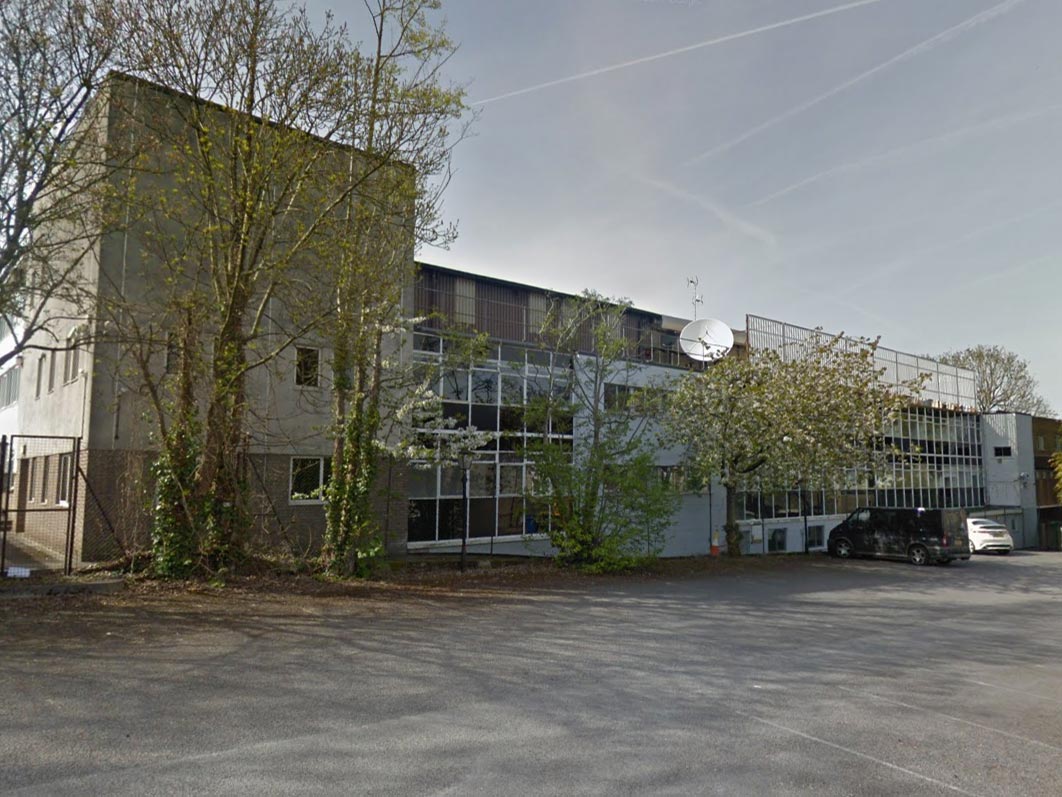
In readiness of colour television, ATV built a large ‘state of the art’ television studio called “ATV Centre” on Broad Street near the centre of Birmingham, which replaced the older studio complex jointly owned by ABC and ATV under the banner of Alpha Television. Originally called “Paradise Centre” ATV Centre was built to ITA specifications and designed by architects R.Seifert & Partners of London. The studios opened in 1969, with Crossroads being the first programme produced in Studio One.
In 1981 the building was completely refurbished in prepraction for the transfer of staff from Elstree, which included the new Central House building which was adjacent to the complex. Central house was built in the 1920s for the Freemasons and later as Birmingham School of Engineering. A new side entrance was also opened around the same time. The Broad Street studios which were rented came under Central’s ownership in November 1991, by which time, its network and large scale programming capability had been transferred to Nottingham, scaling down the Birmingham operation to providing Central News West, regional programming and presentation operations, including those for CITV. Plans were already underway to move the operations to a smaller complex and redeveloped the site for other uses before Carlton took full control of the company in 1994.
New, it's not
Quality: HQ
New, it's not
Quality: HQ
New, it's not
Quality: HQ
New, it's not
Quality: HQ
New, it's not
Quality: HQ
New, it's not
Quality: HQ
New, it's not
Quality: HQ
New, it's not
Quality: HQ
New, it's not
Quality: HQ
New, it's not
Quality: HQ
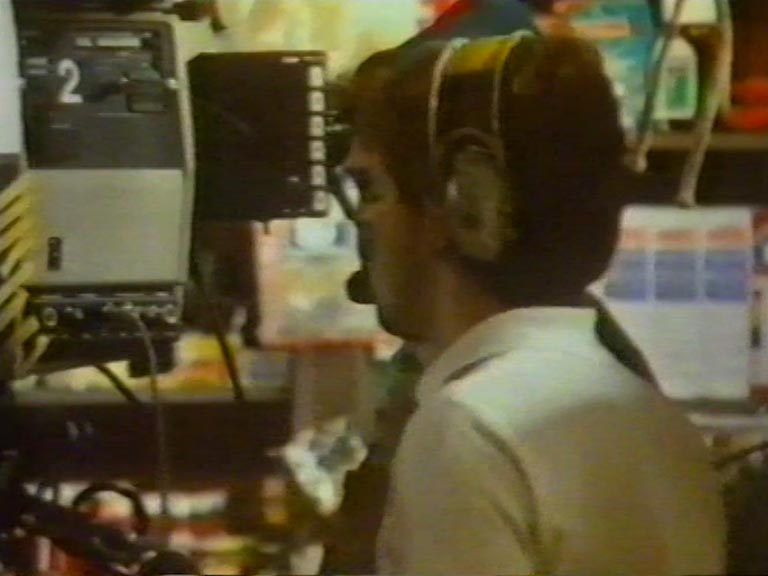
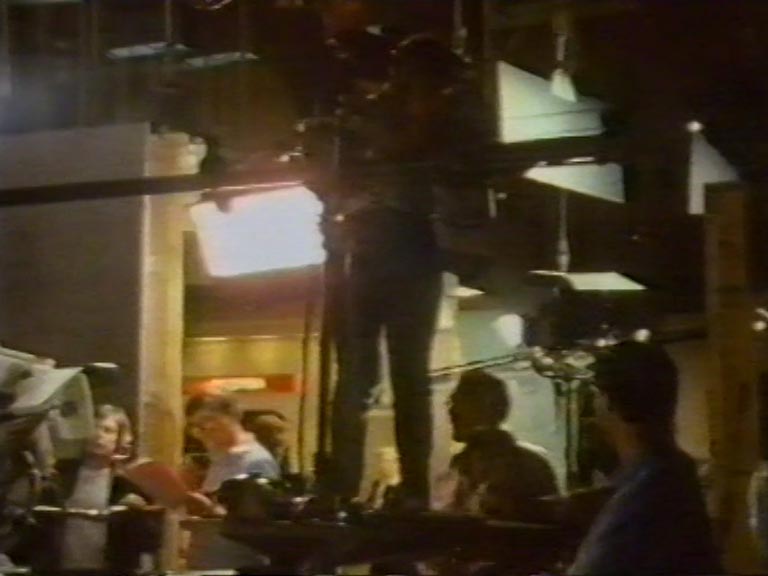
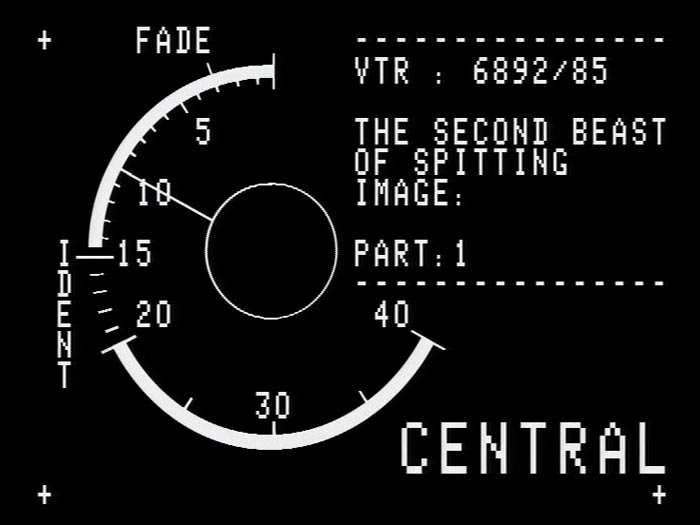
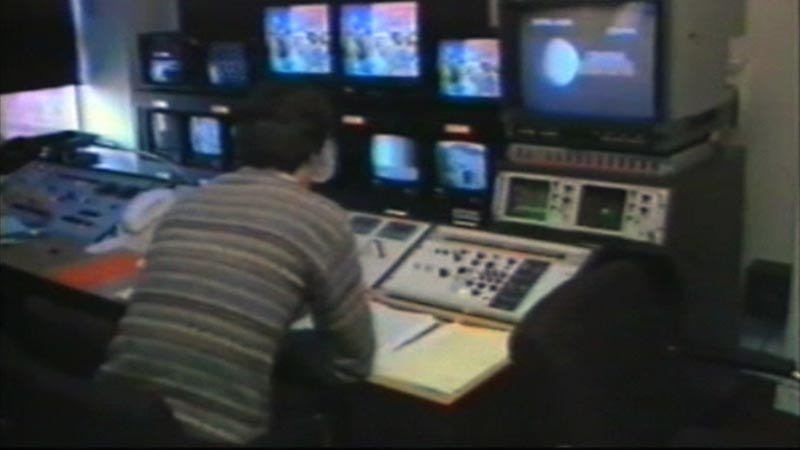
Some miscellanous pictures from Broad Street
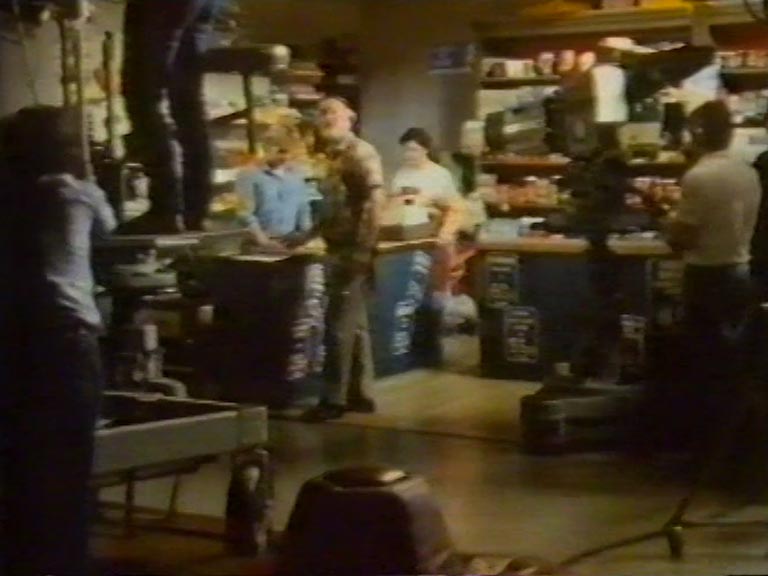
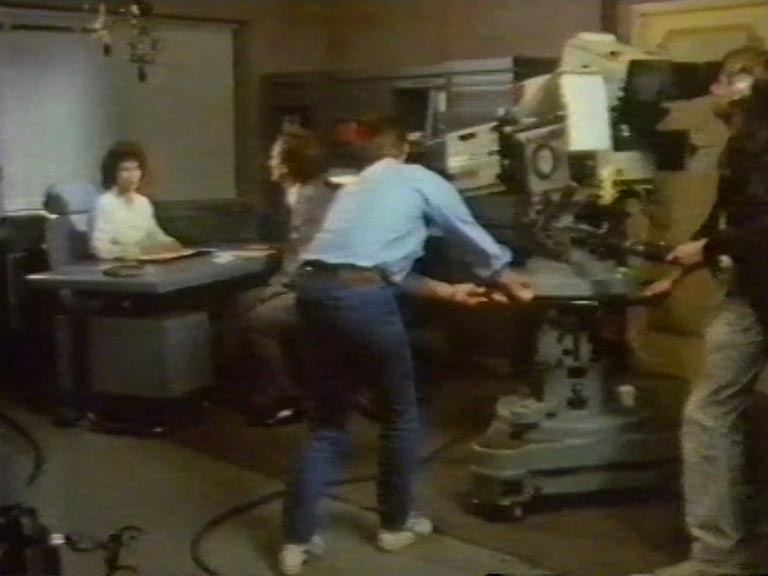
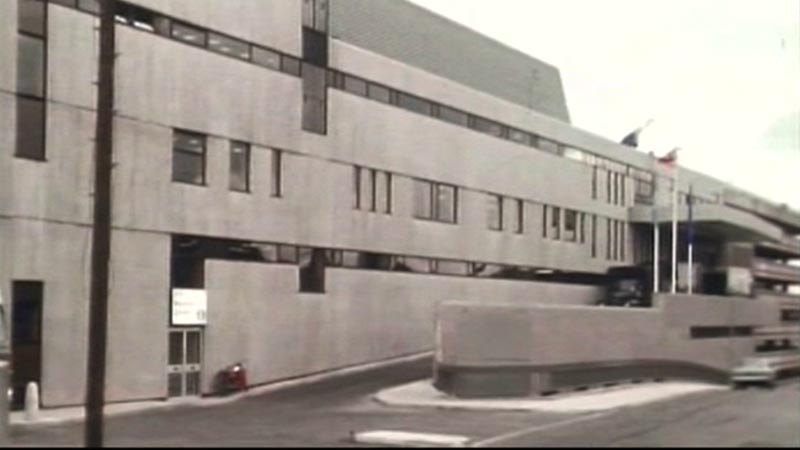
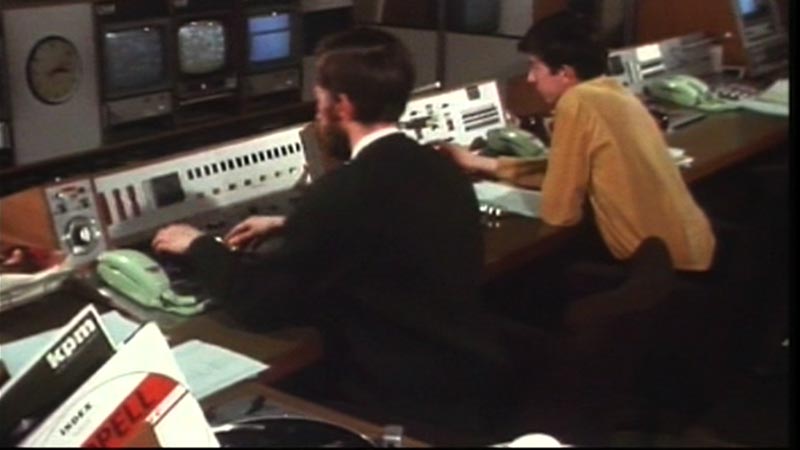
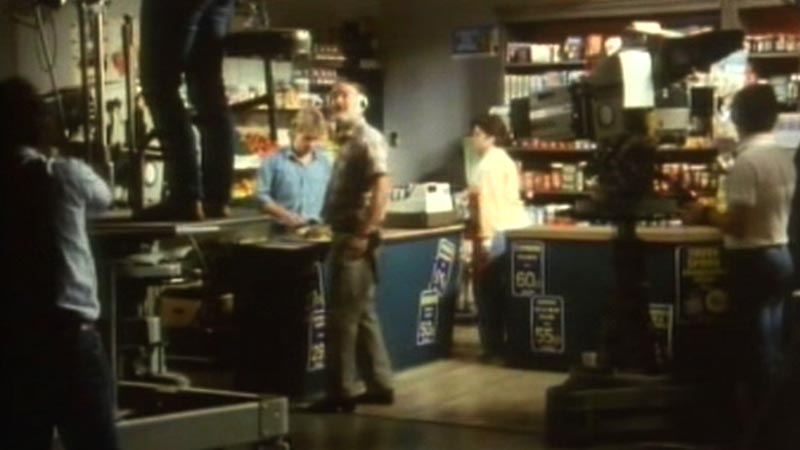
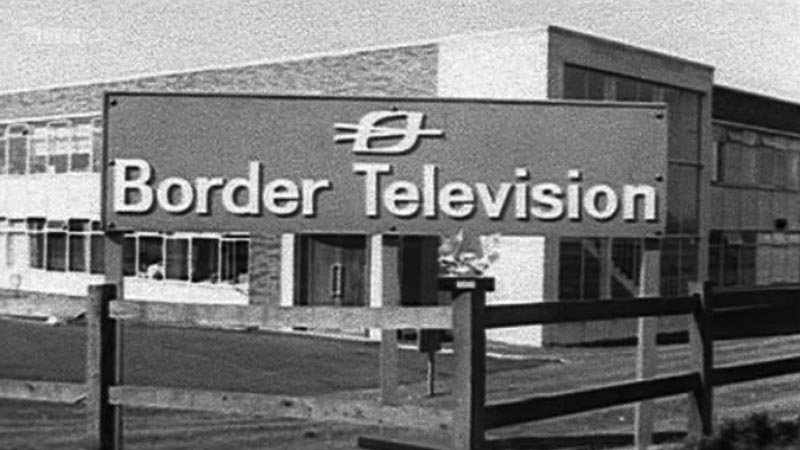
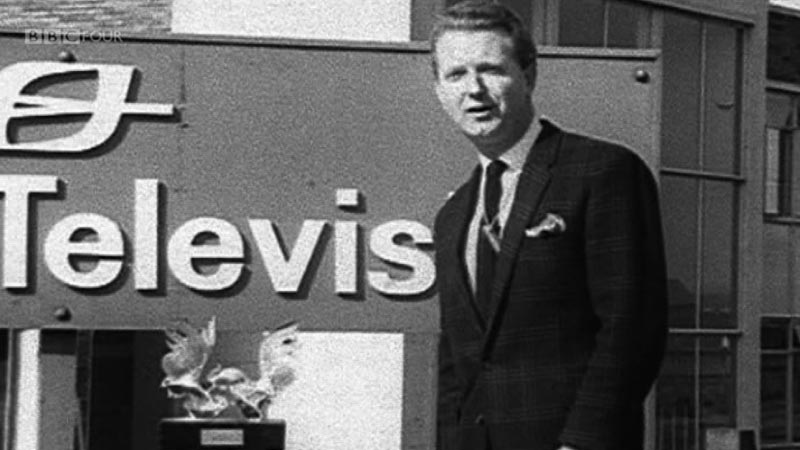
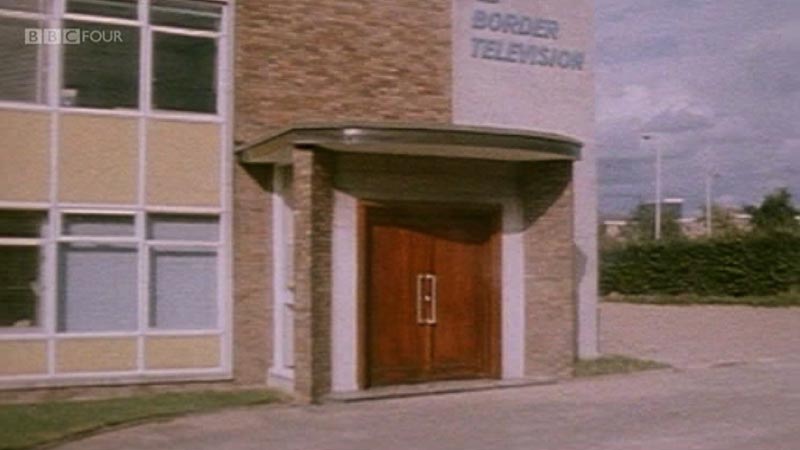
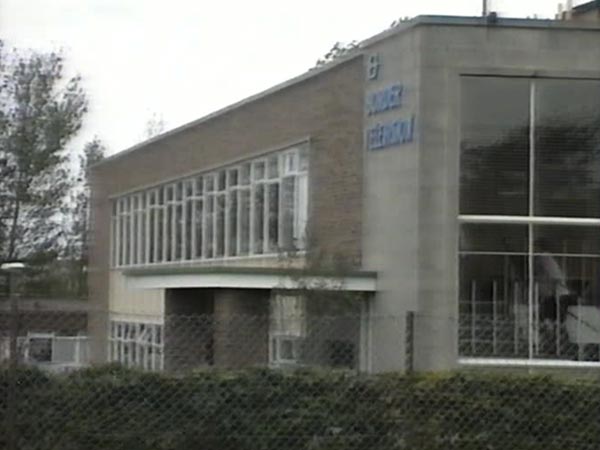
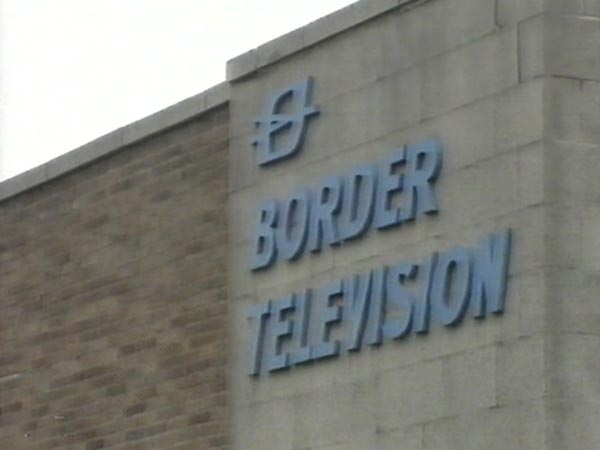
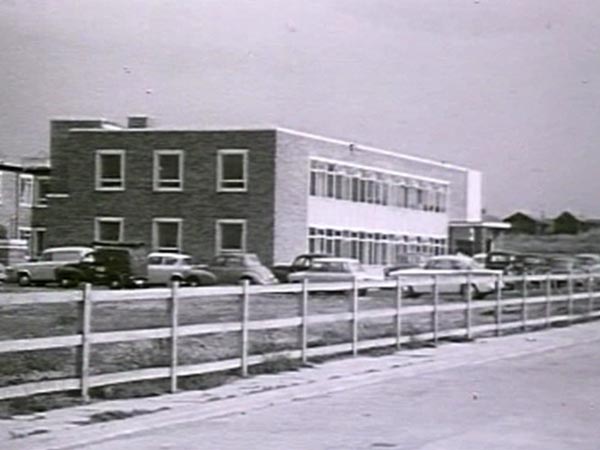
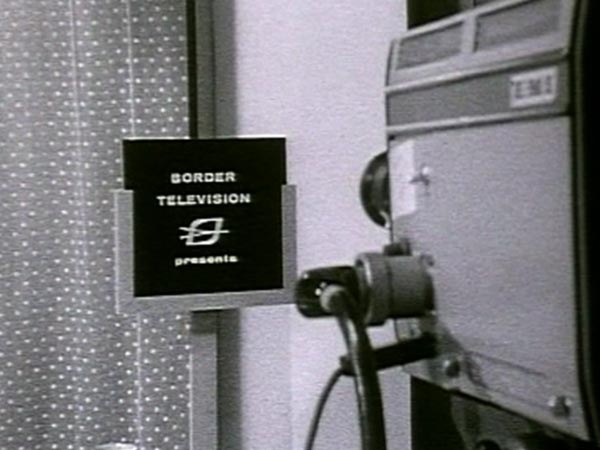
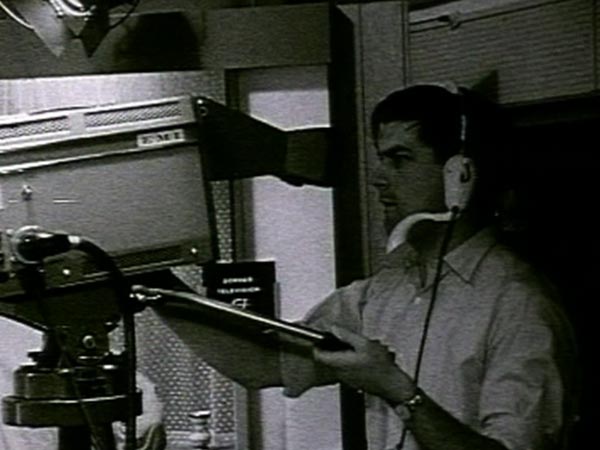
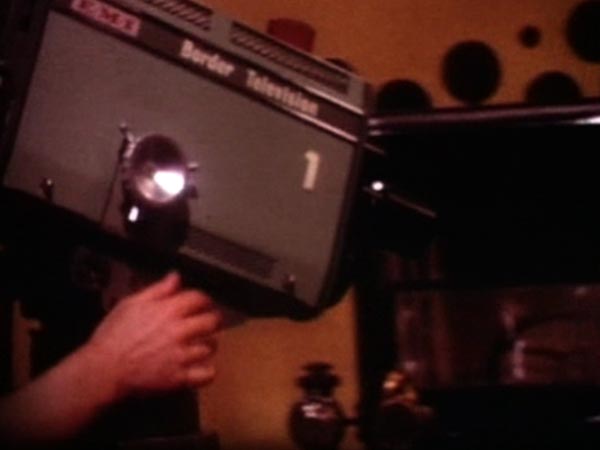
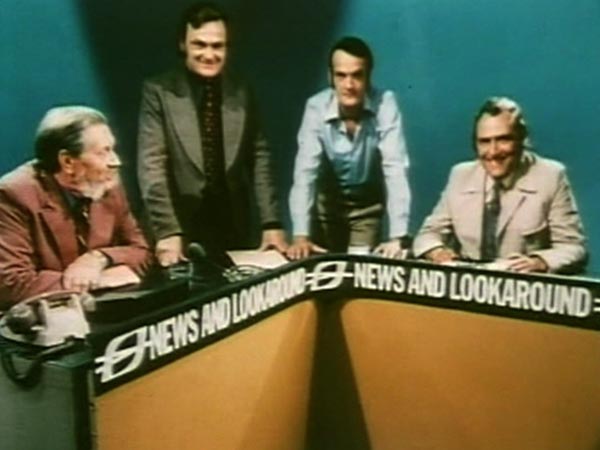
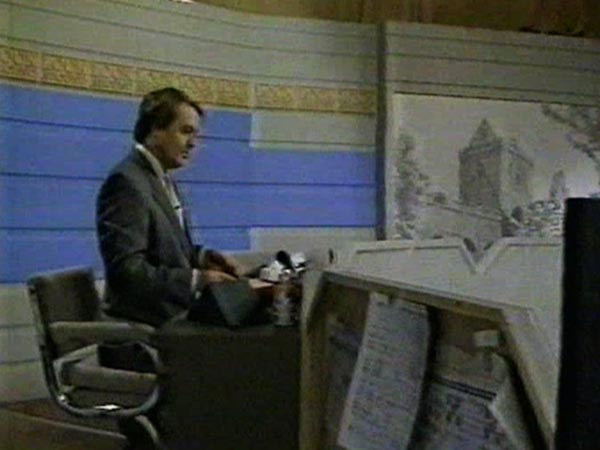
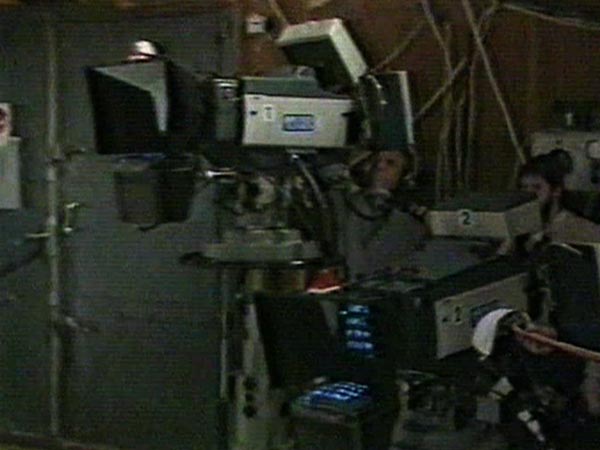
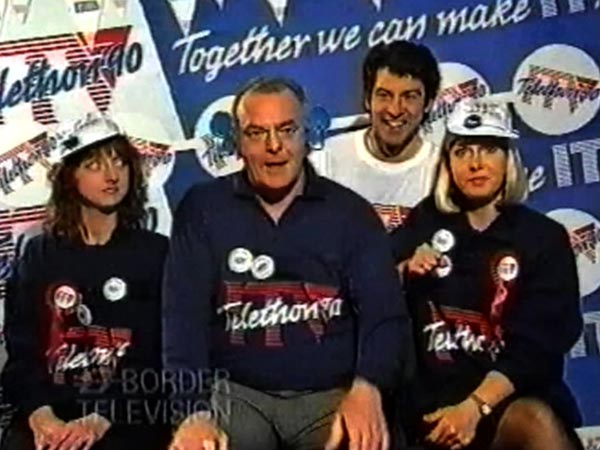
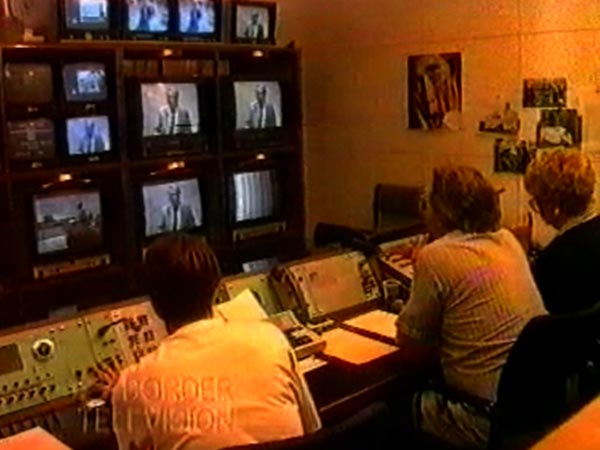
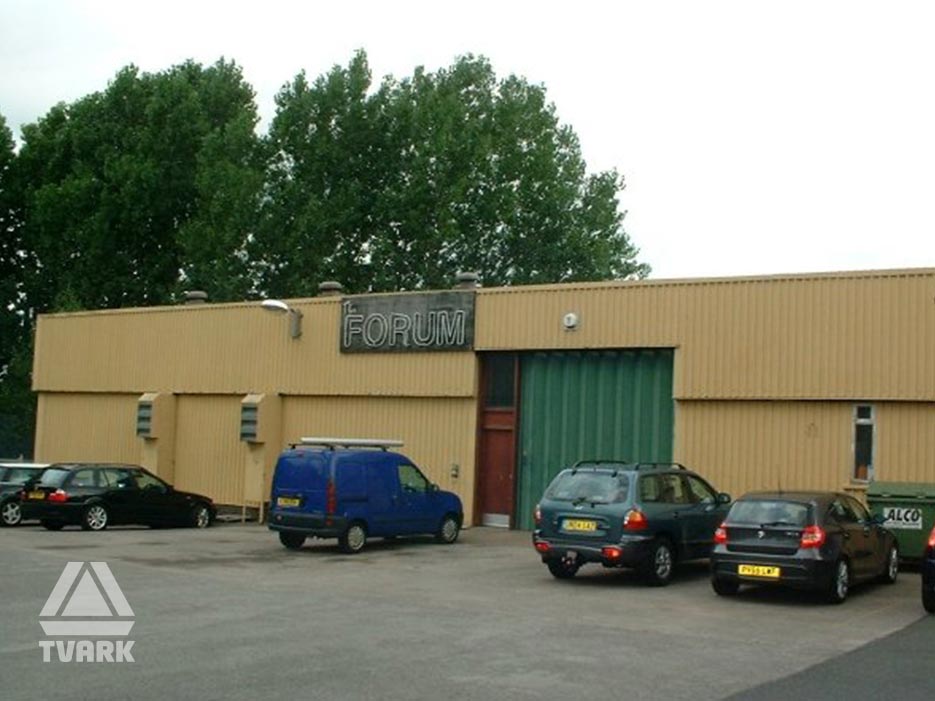
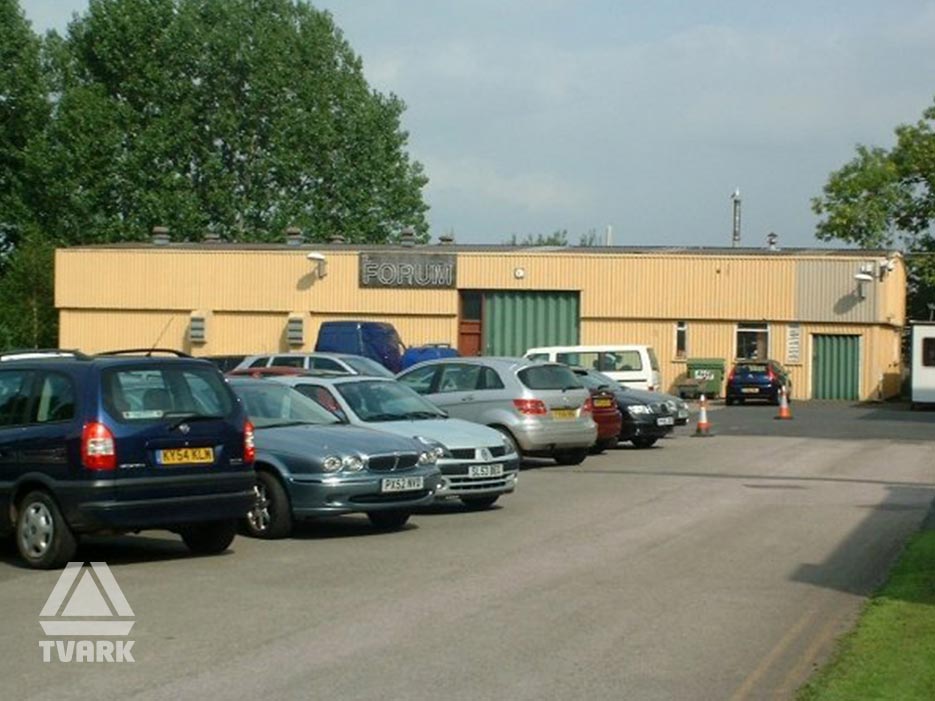
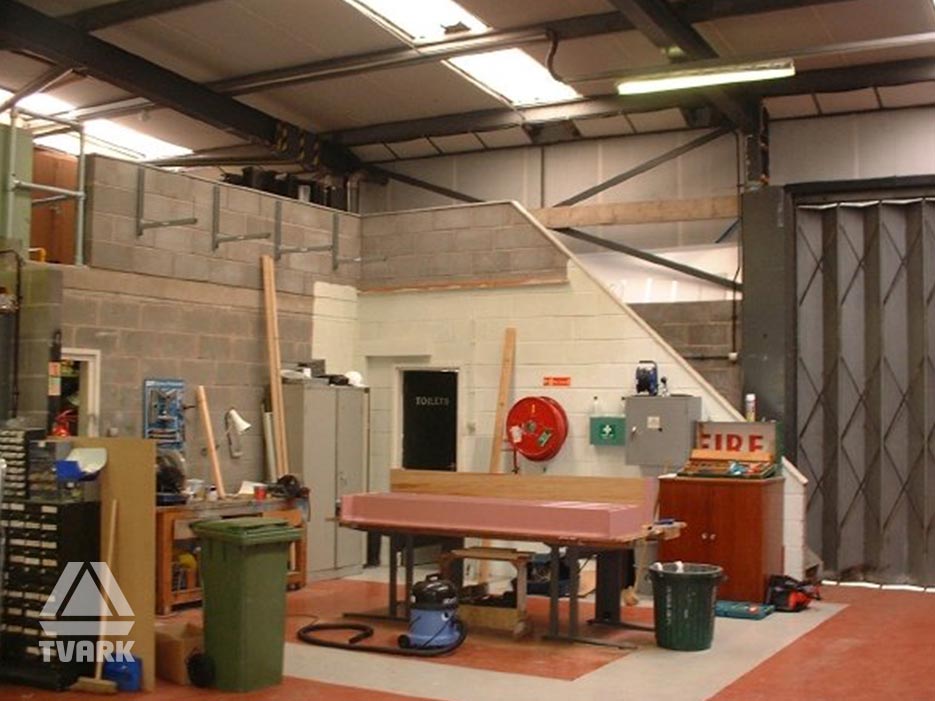
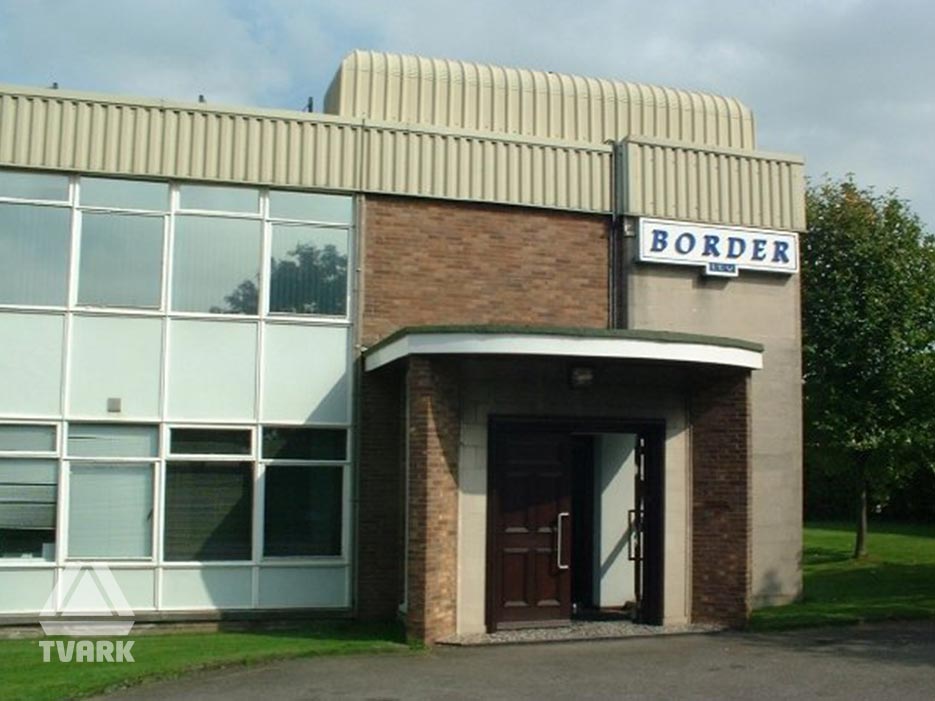
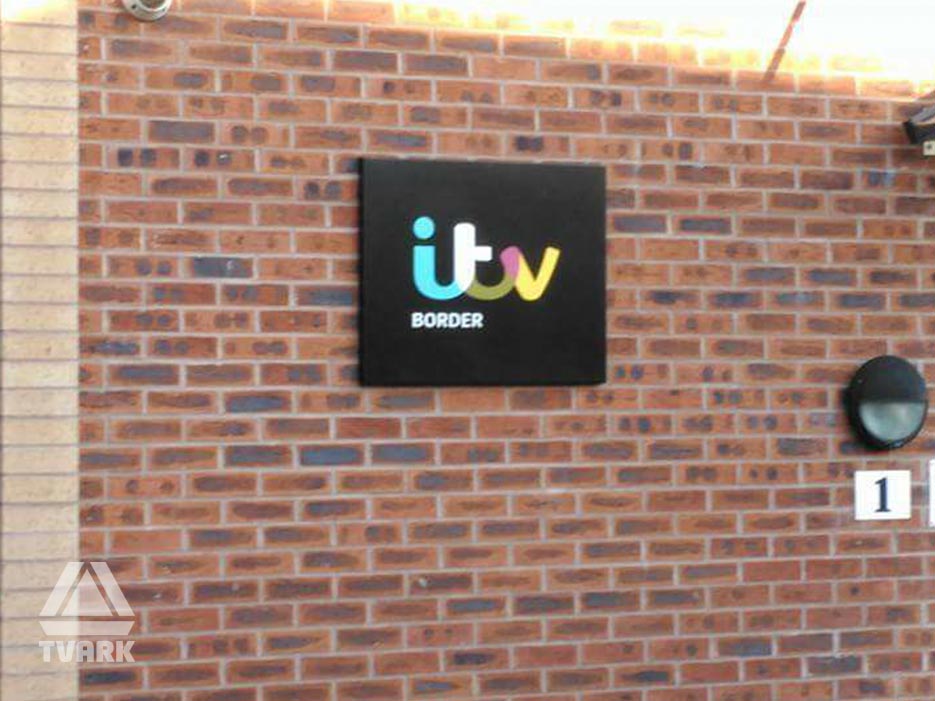
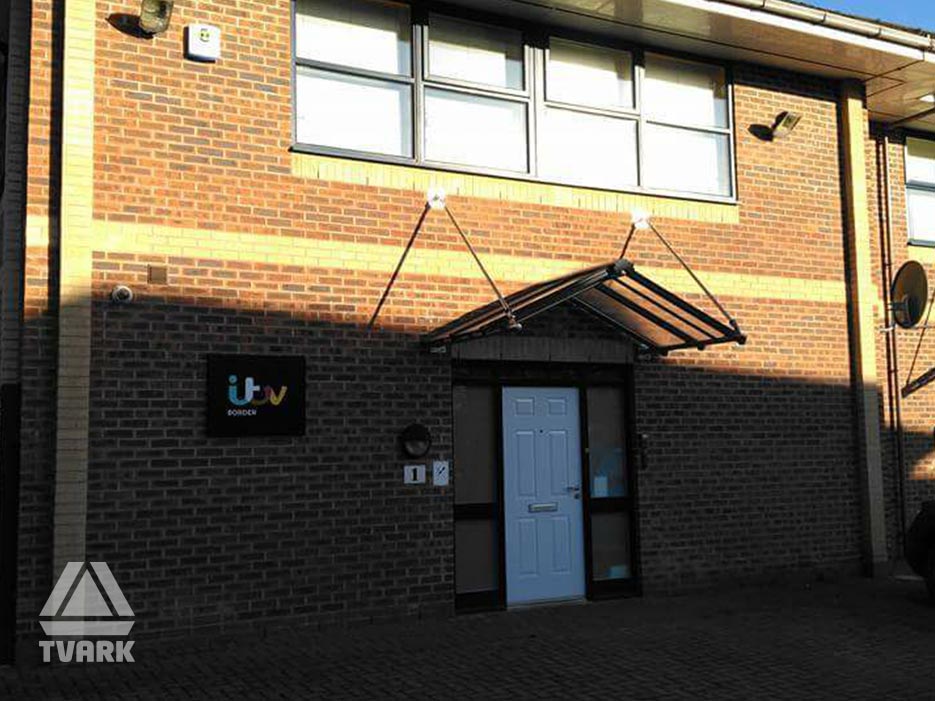
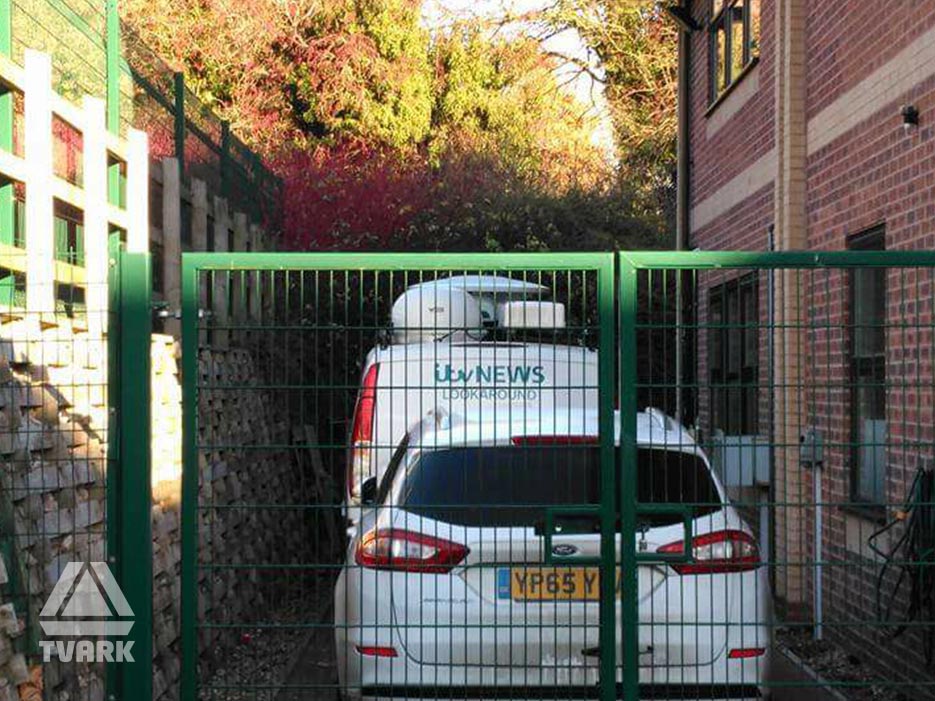
Border Television constructed a purpose-built studio centre, located in Brunel Way, Carlisle. The complex contained two production studios, a small continuity studio and a film interview studio. These were converted to colour with the station and were expanded and upgraded when demand increased following the launch of Channel 4.Following the merger of ITV Border's service with that of ITV Tyne Tees, the Border studios were closed and demolished in 2010.

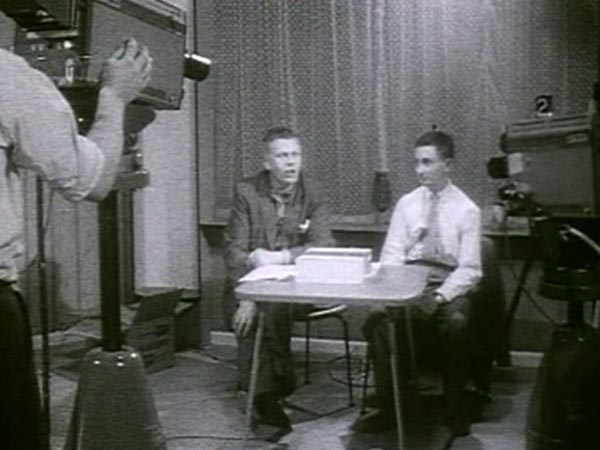
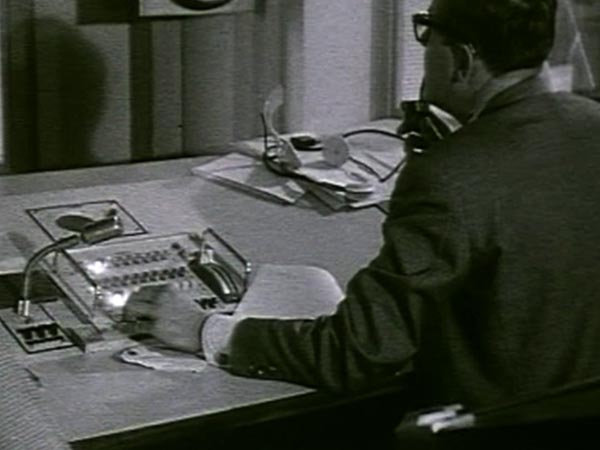
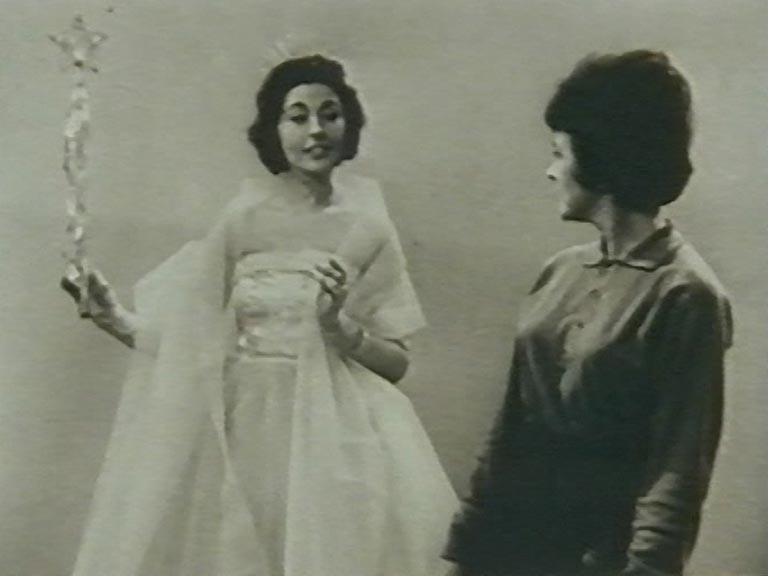
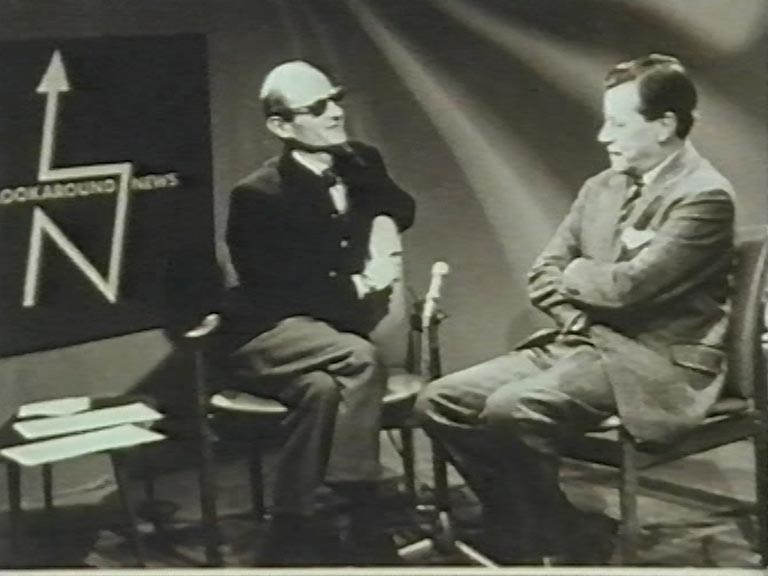
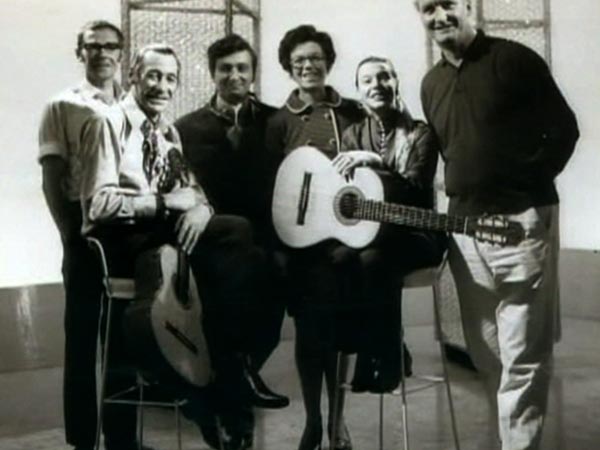
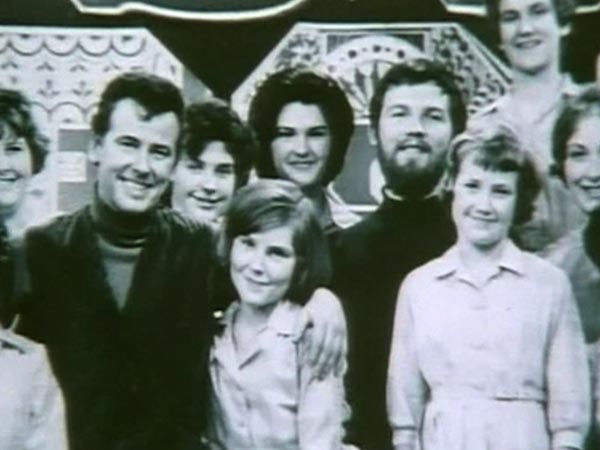
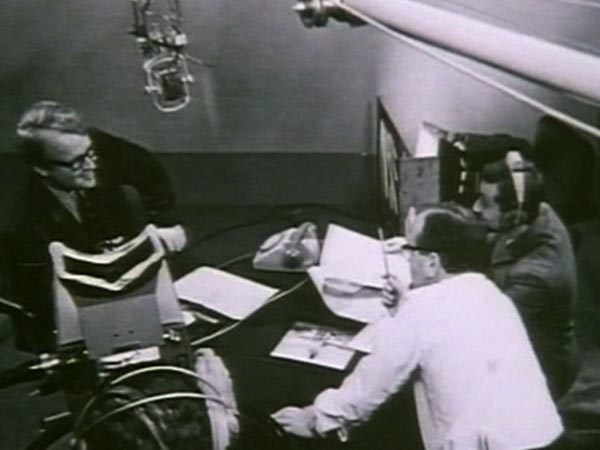
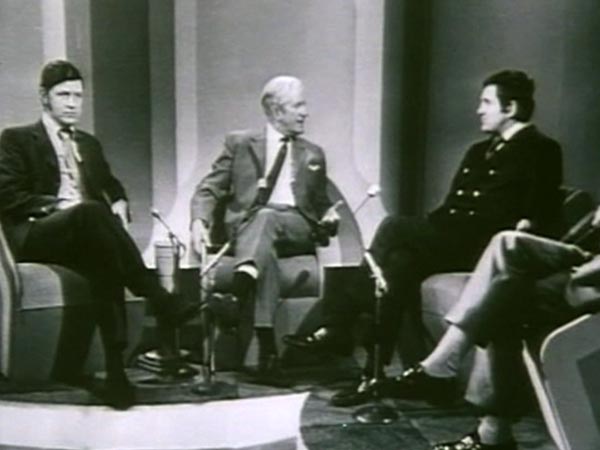
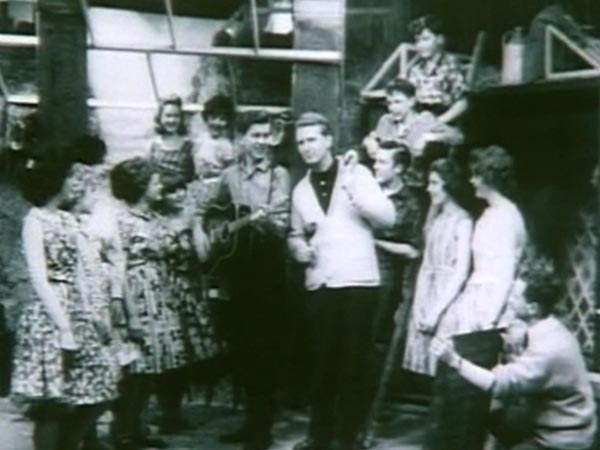
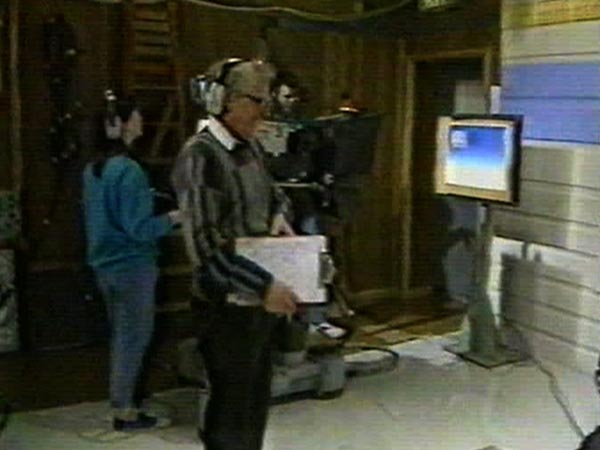
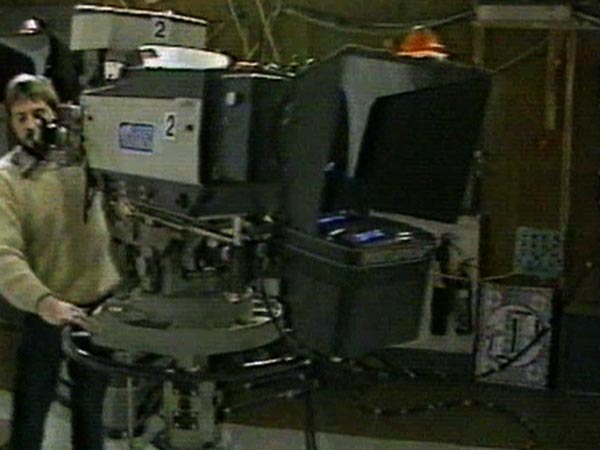
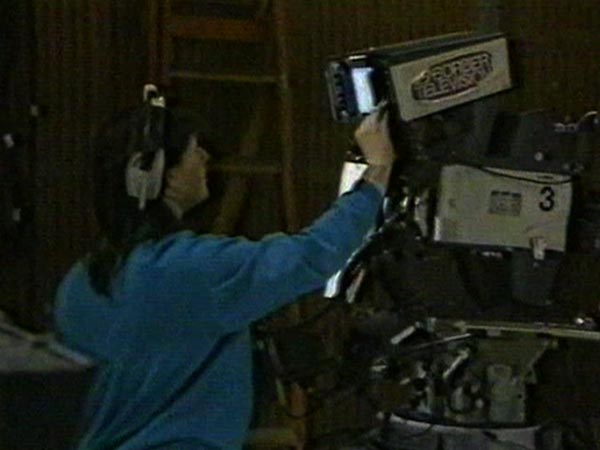
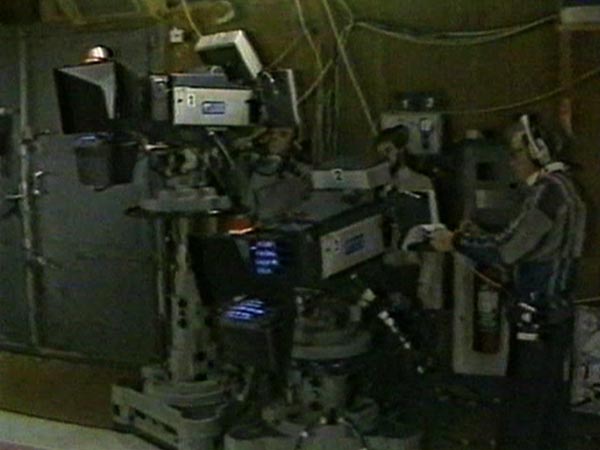
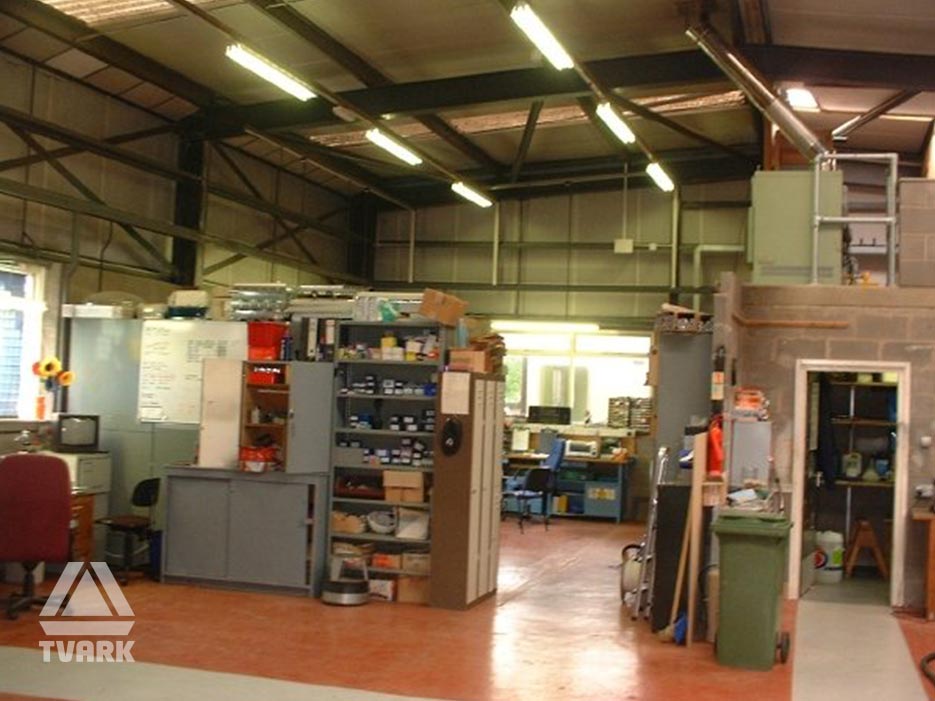
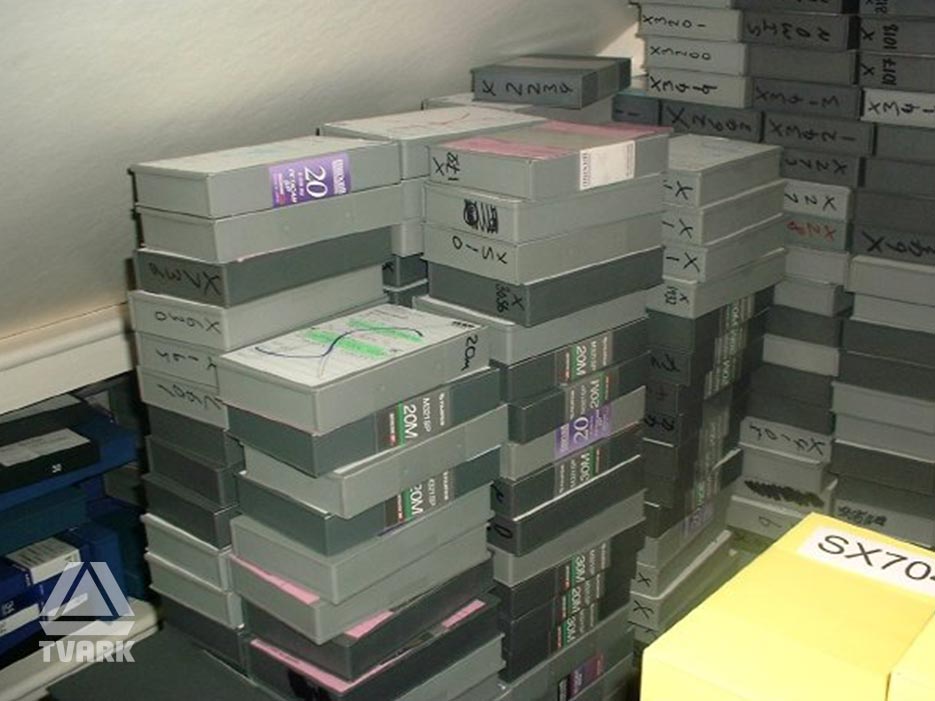
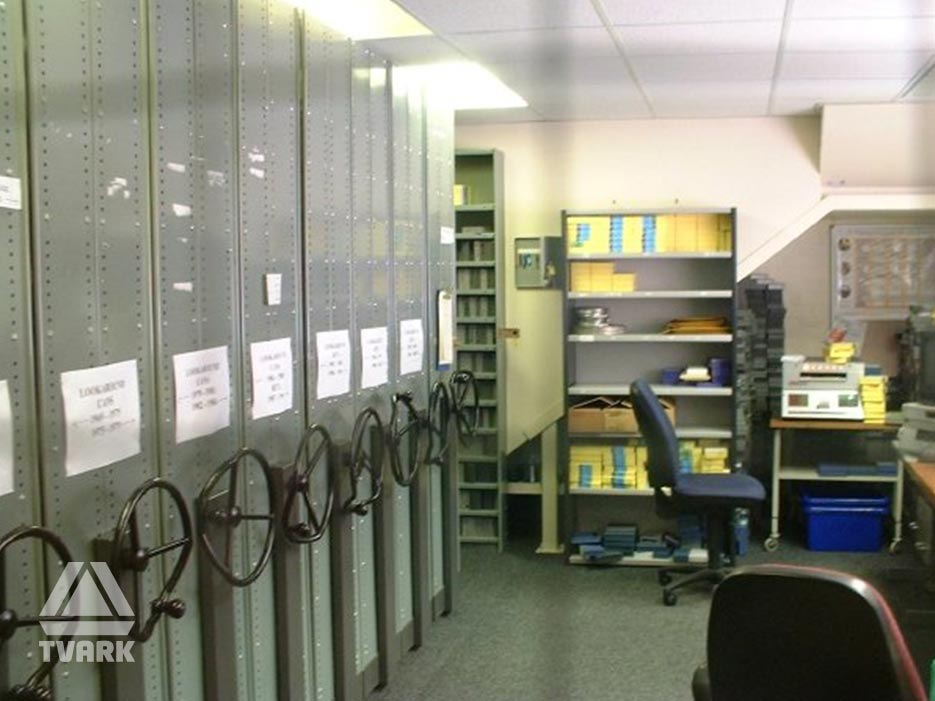
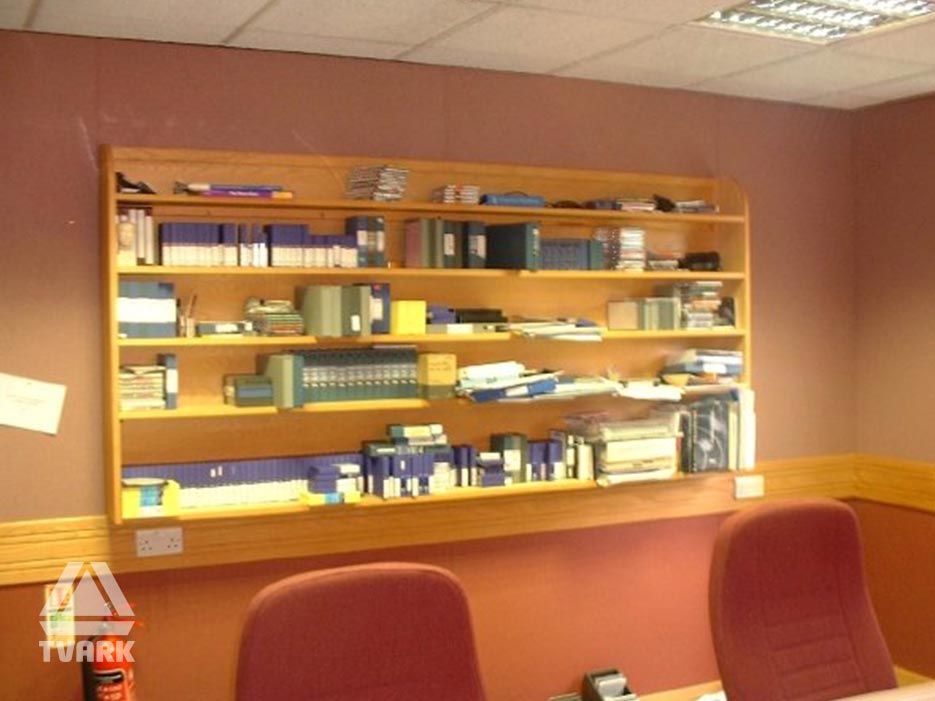
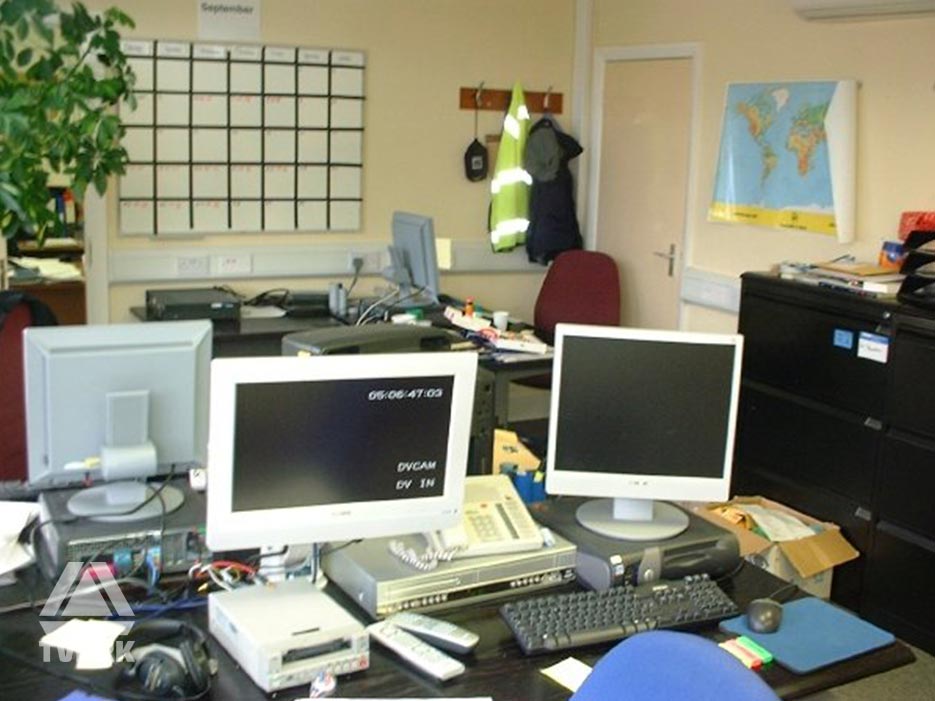
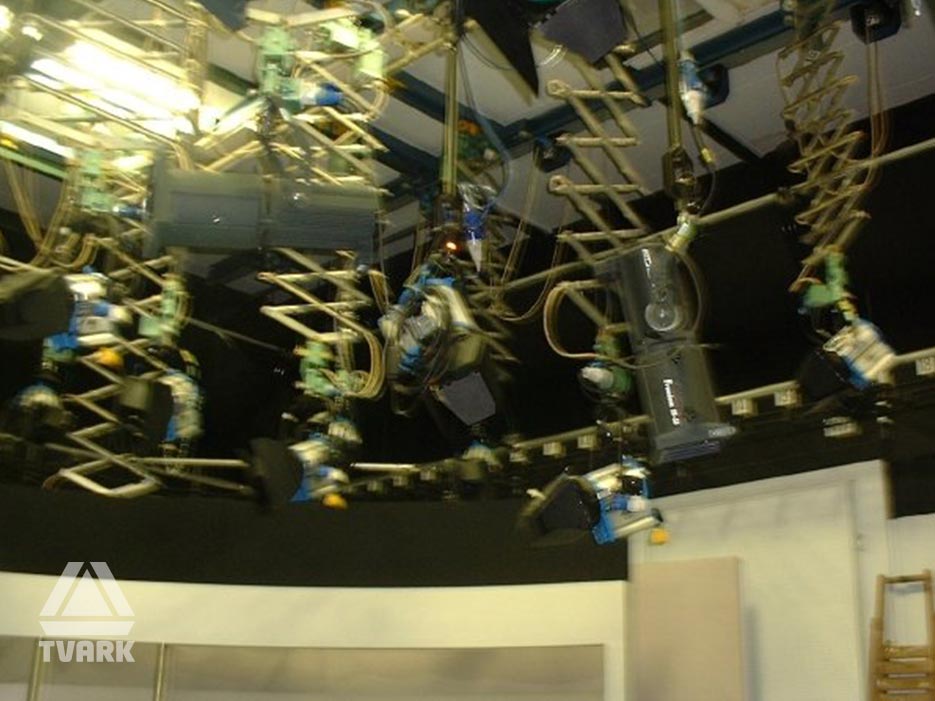
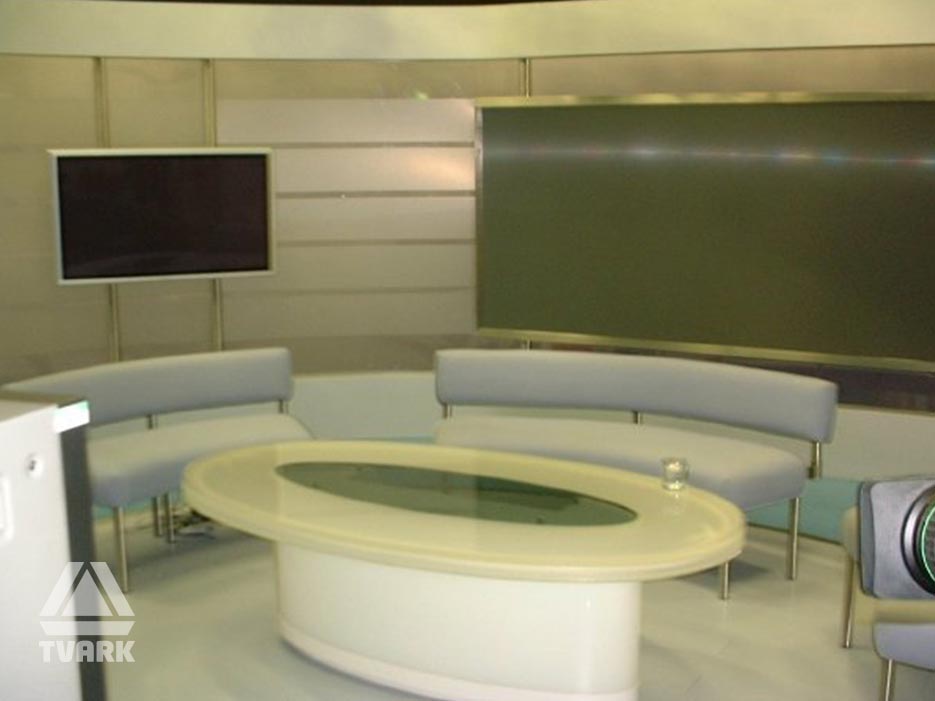
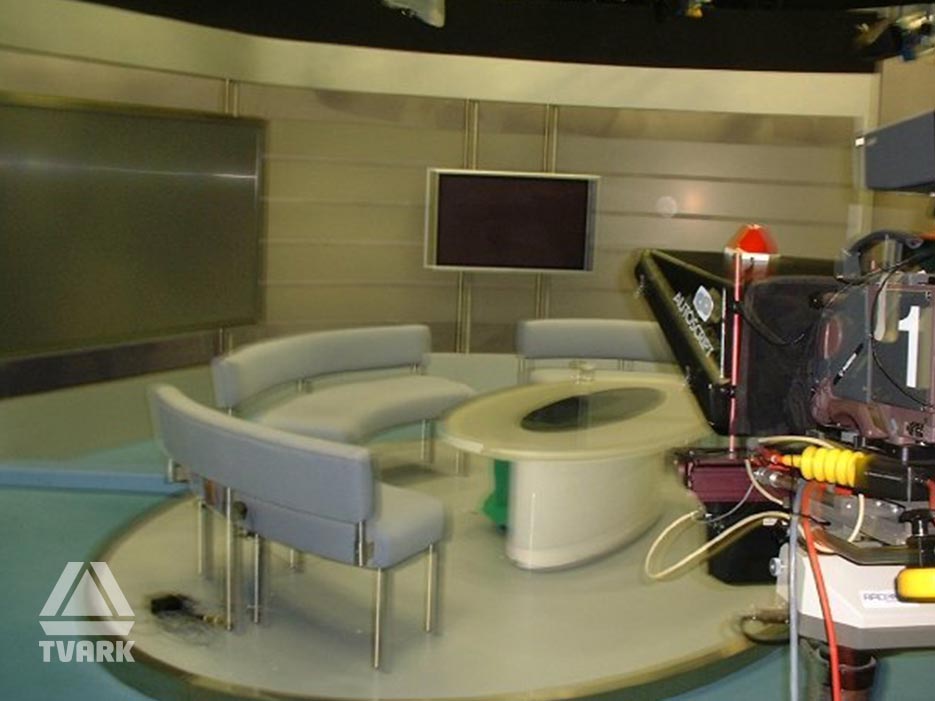
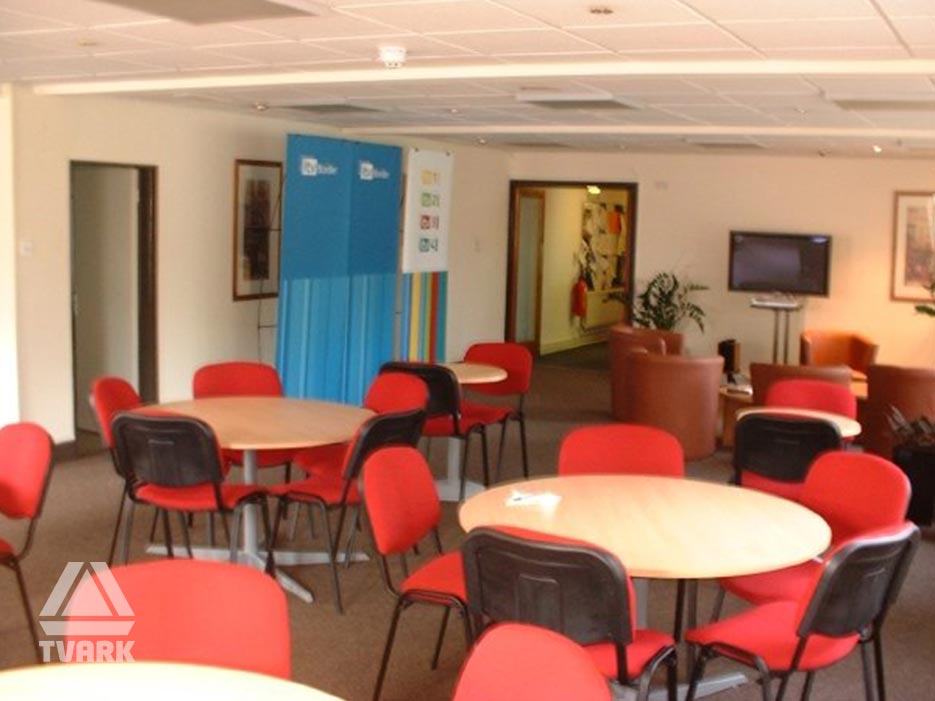
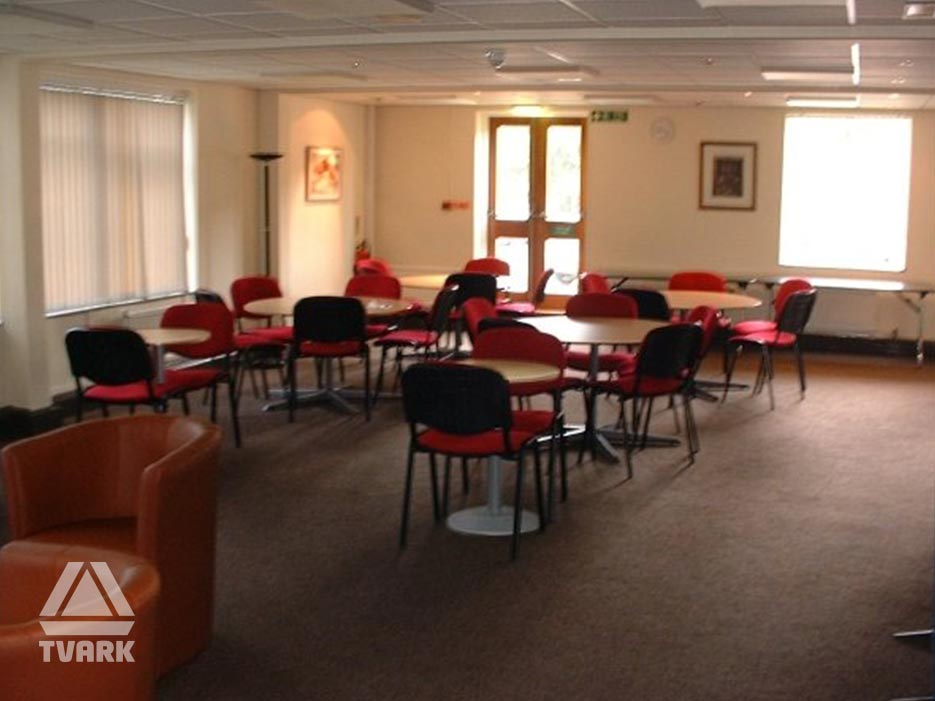
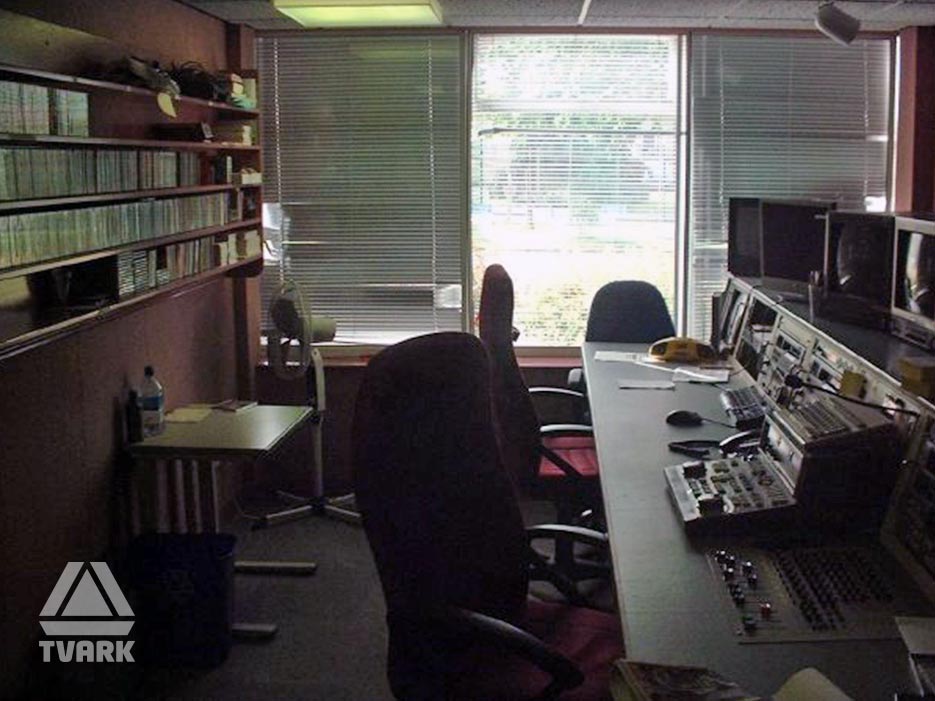
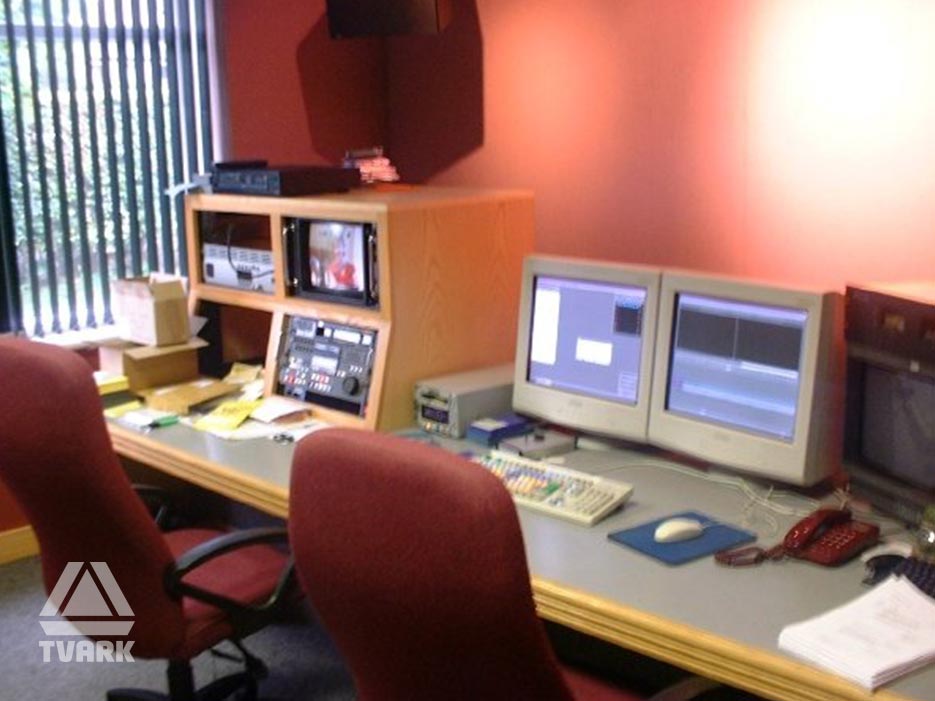
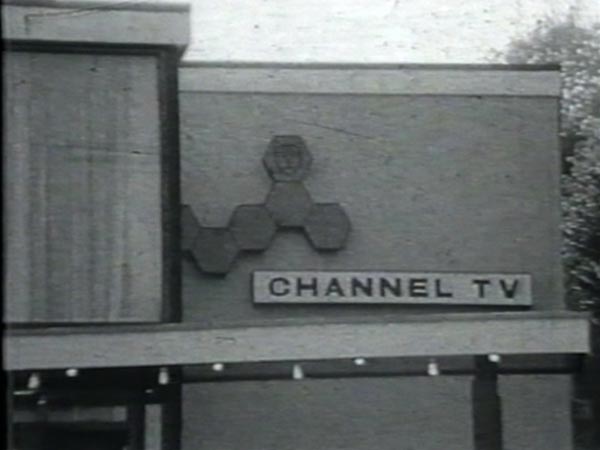
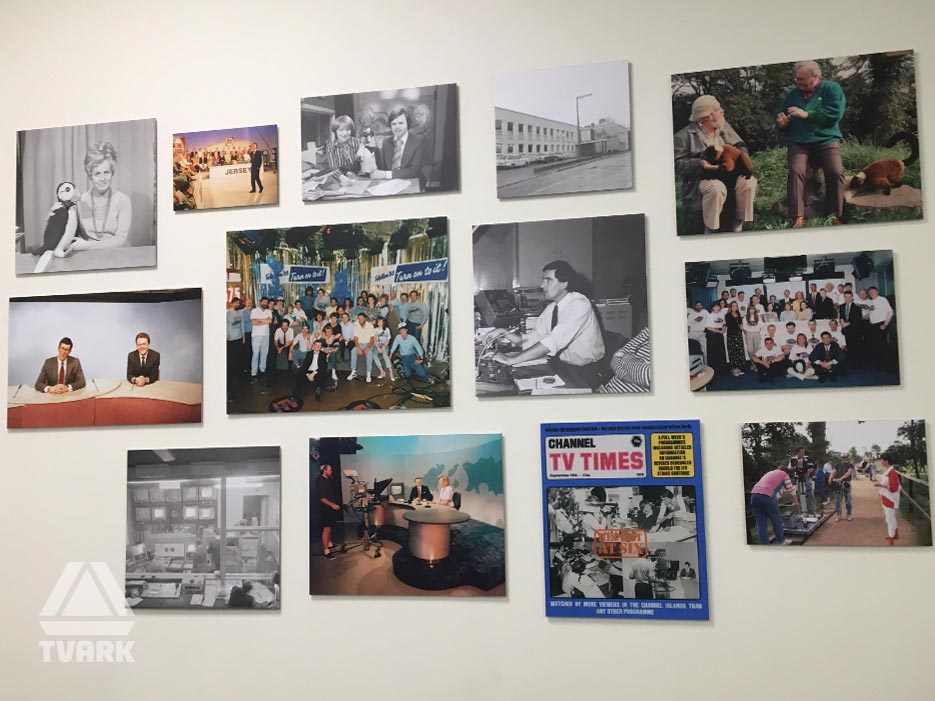
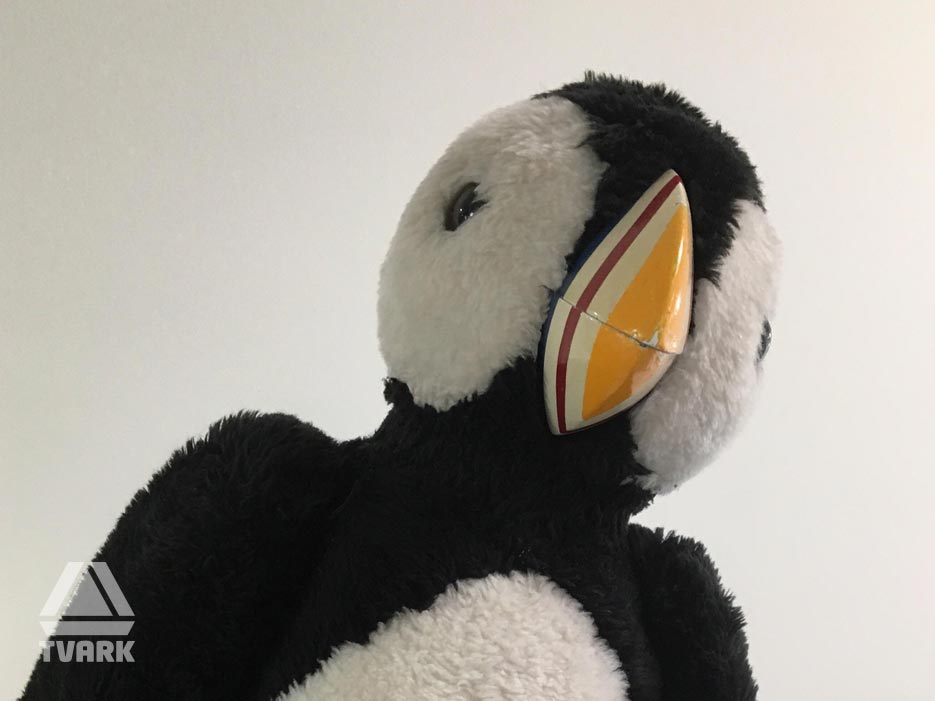
Channel's first headquarters were a purpose-built centre at the corner of Rouge Bouillon and Val Plaisant, housing one main 1,000 sq.ft. studio for all local productions and a continuity suite. As the company expanded, Channel moved into larger facilities in 1988 at La Pouquelaye, converted from the former offices of Rediffusion's Jersey operation. Initially, the La Pouquelaye centre housed two production studios (the smaller studio B was latterly converted into offices) and a continuity studio, later used exclusively for Puffin's Pla(i)ce/
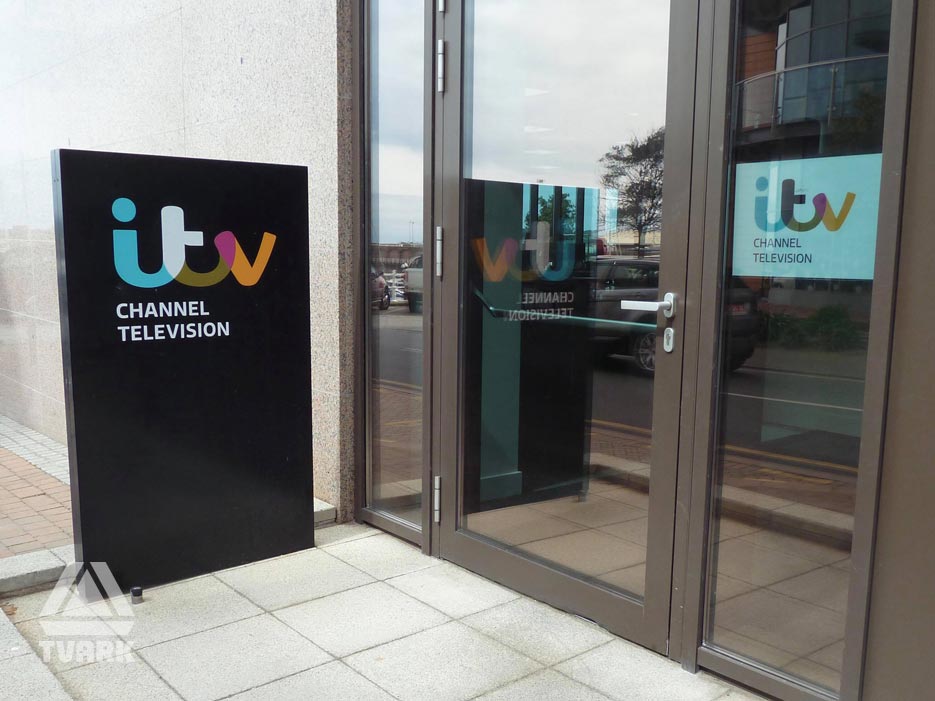
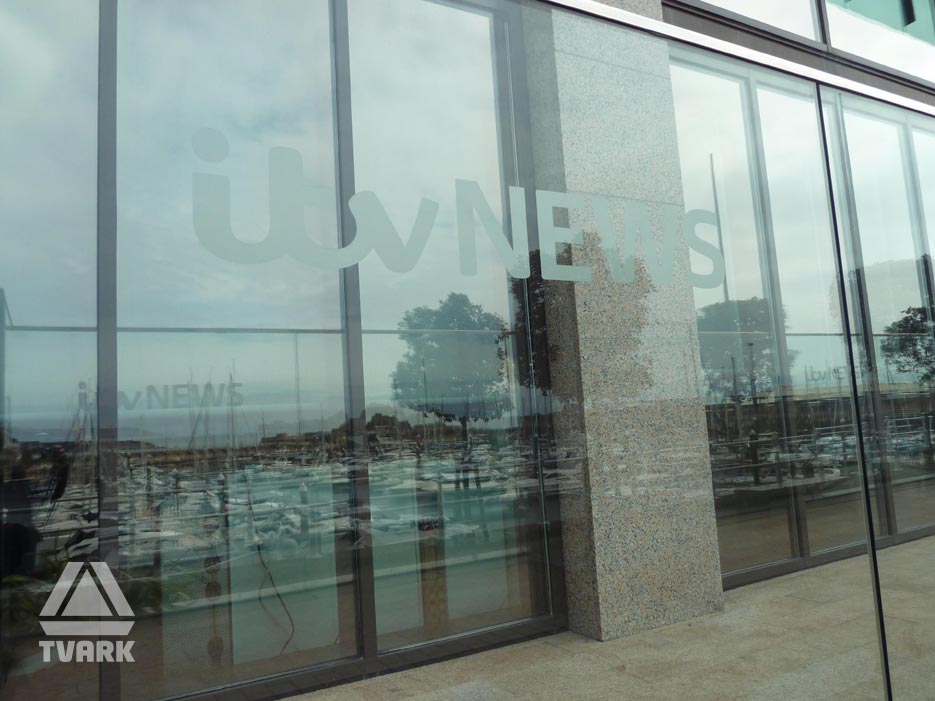
Channel TV's new headquarters where it operates two studios: the Jersey headquarters at Castle Quay on the St Helier waterfront, and and a Guernsey studio at Television House in Bulwer Avenue in St. Sampson, a building shared with BBC Radio Guernsey.

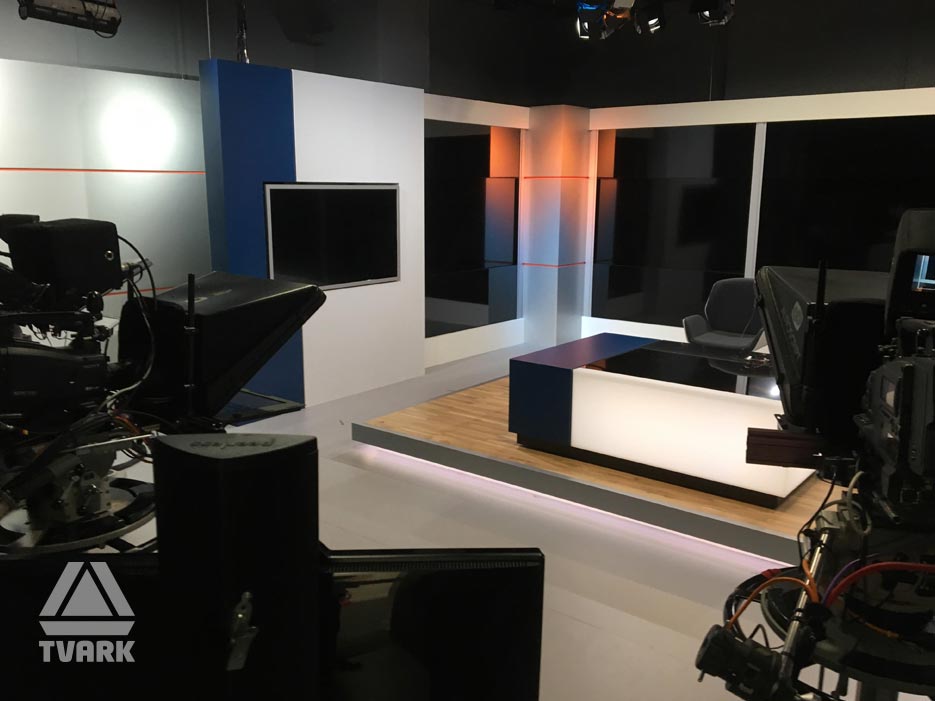
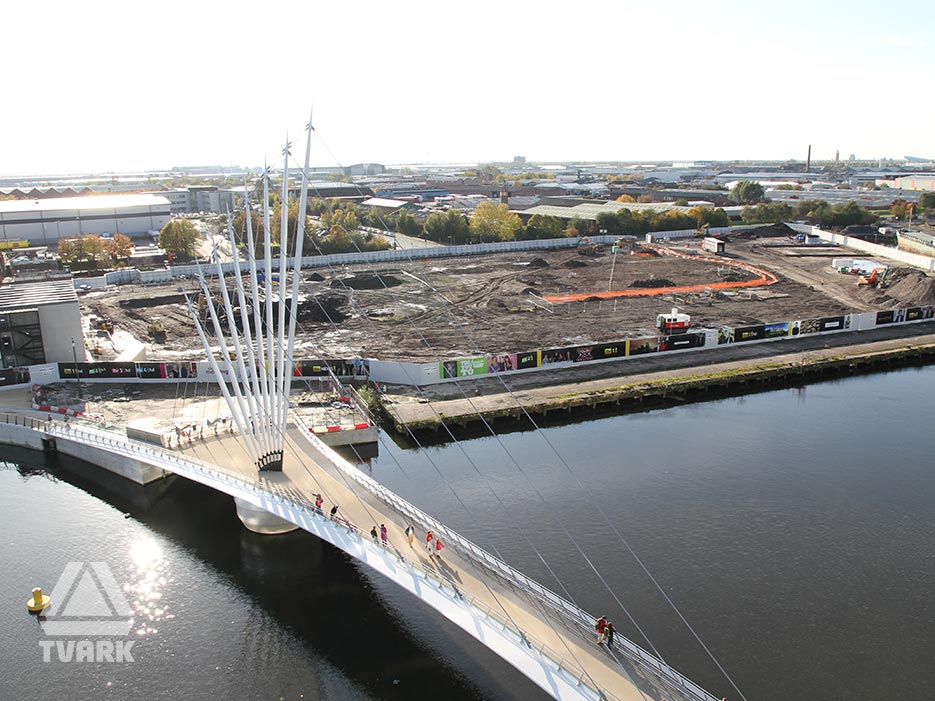
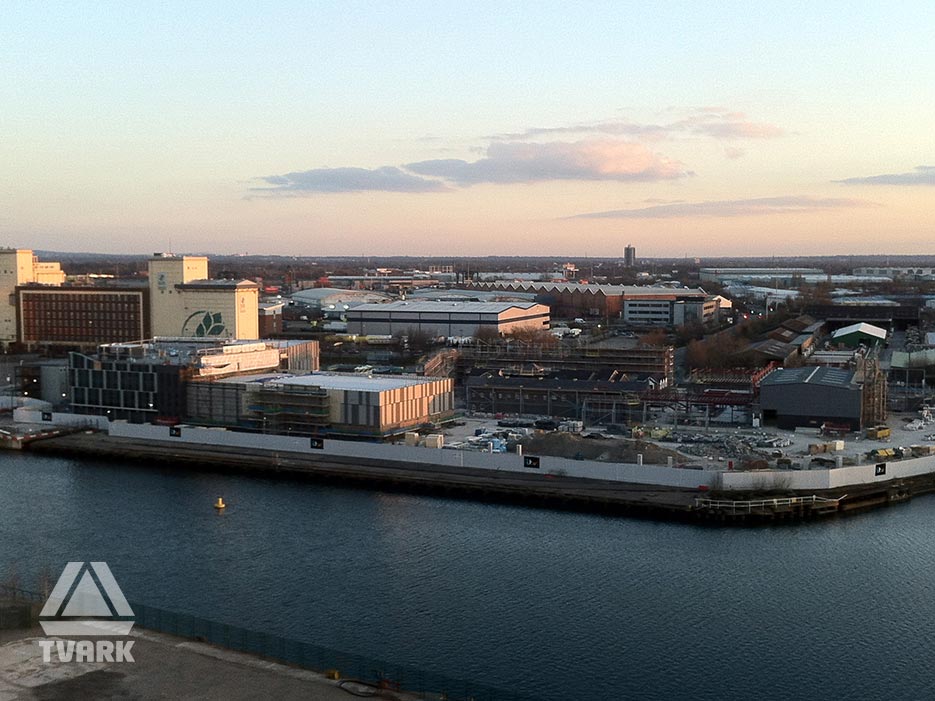
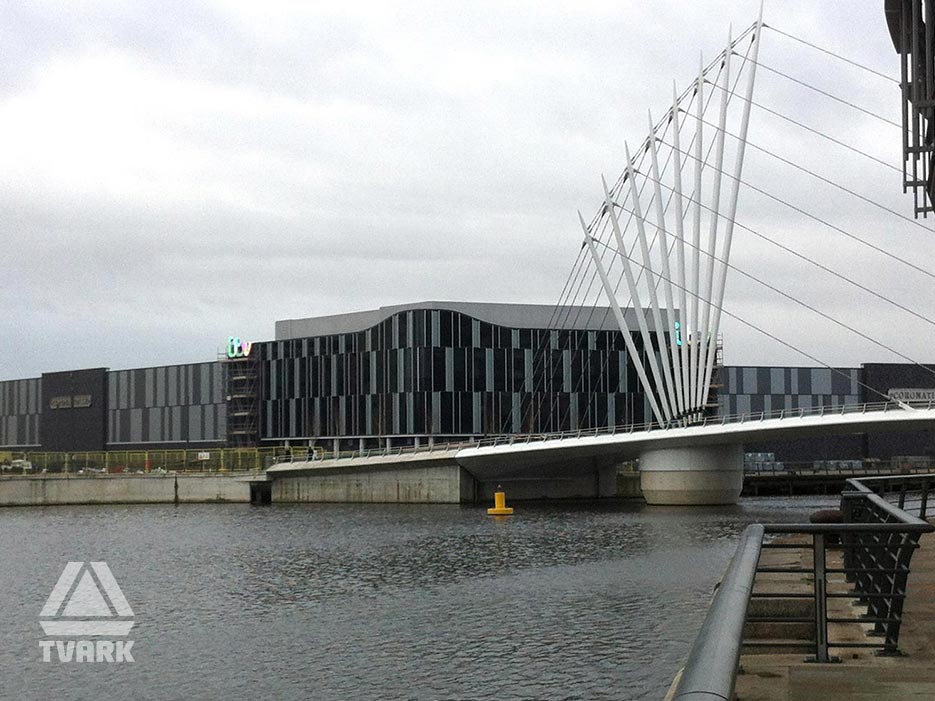
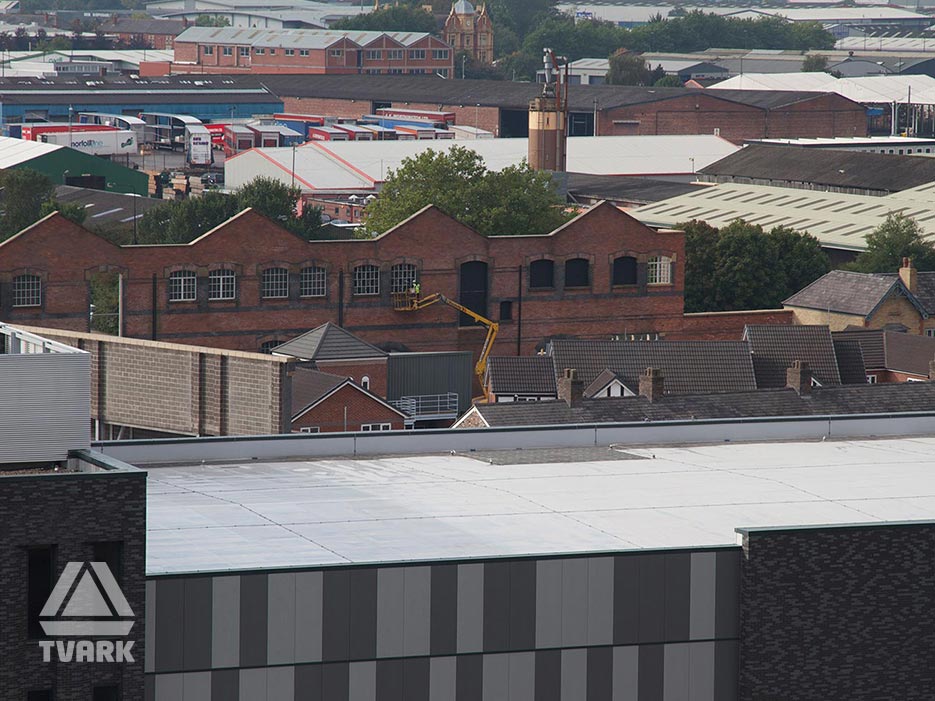
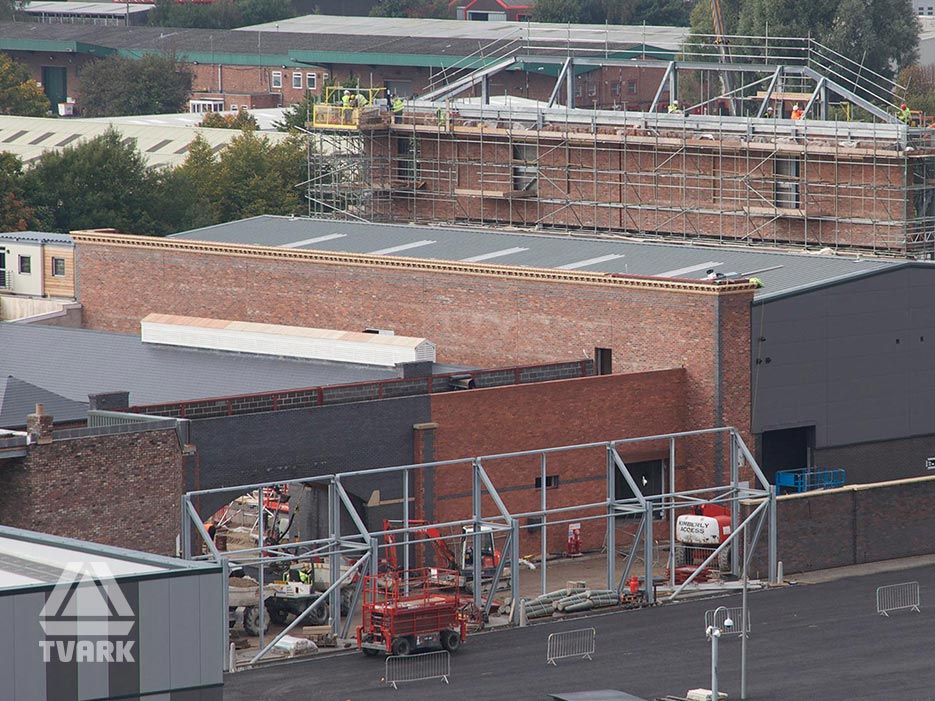
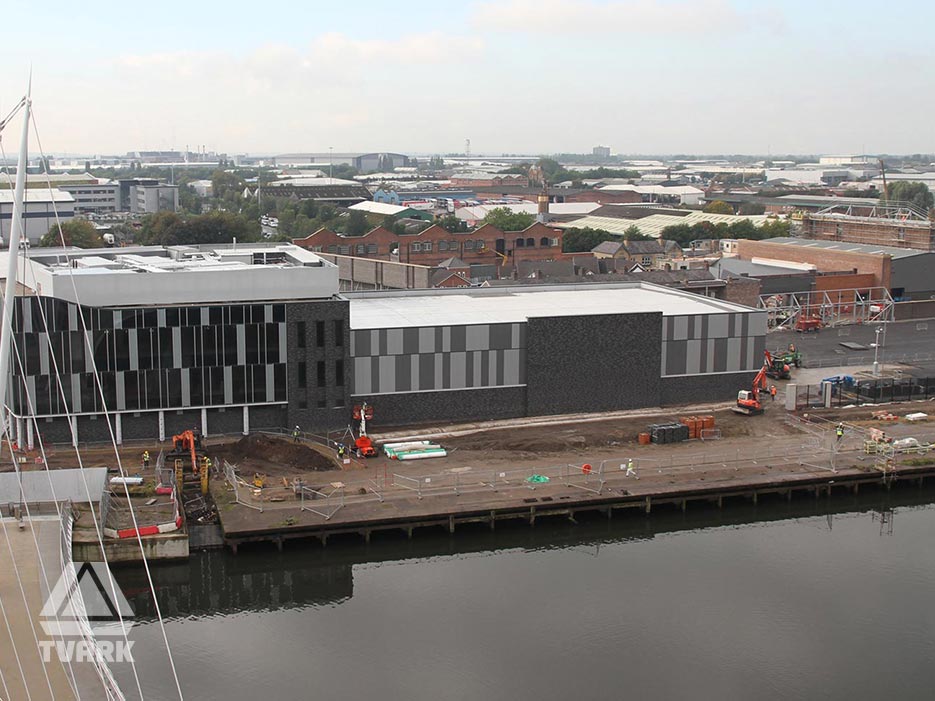
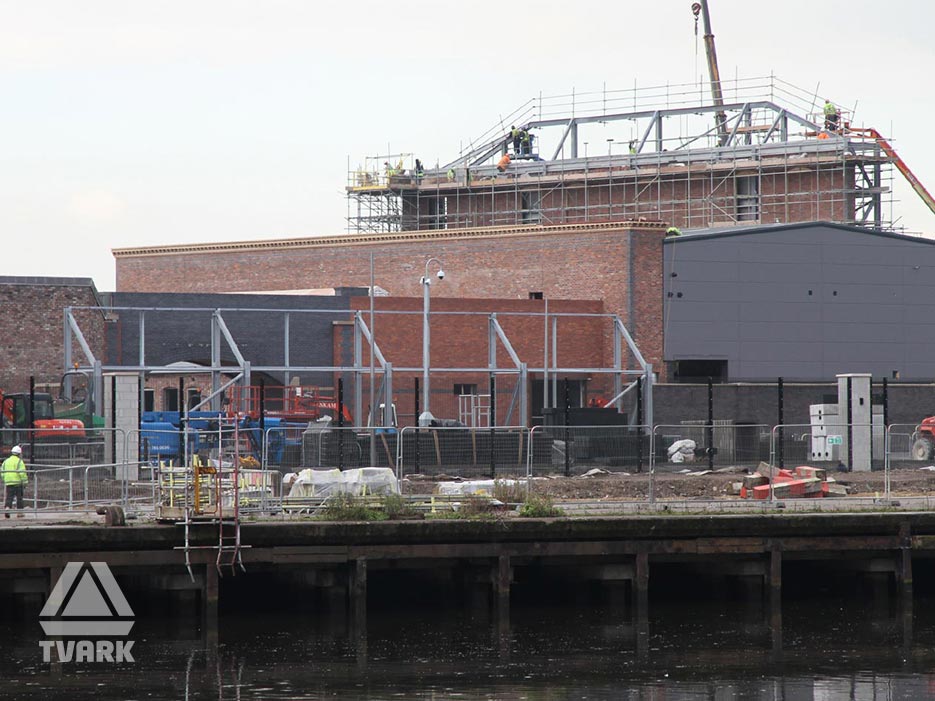
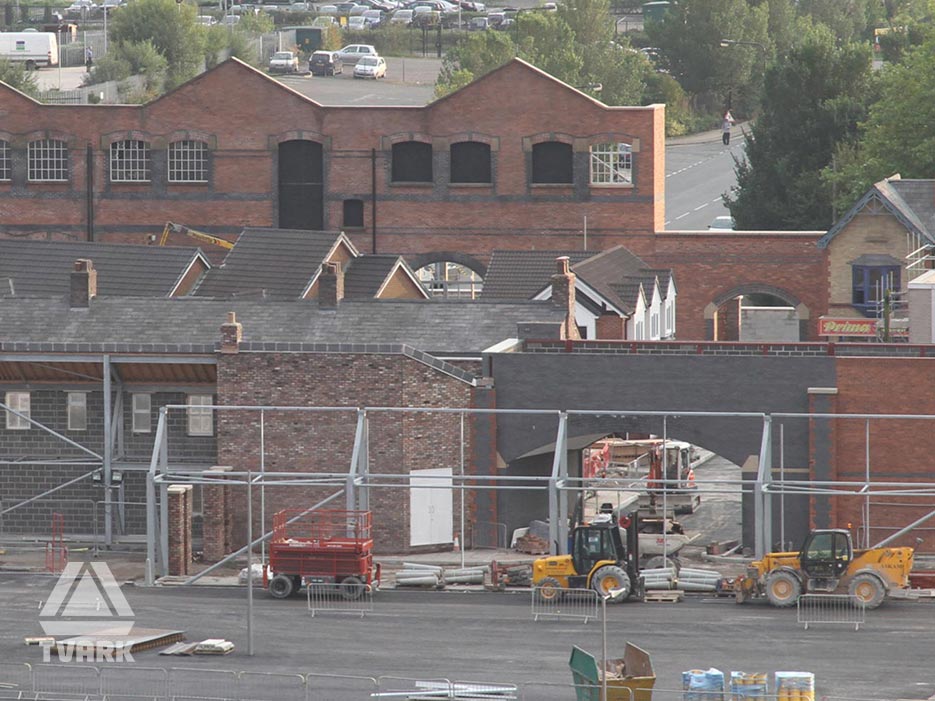
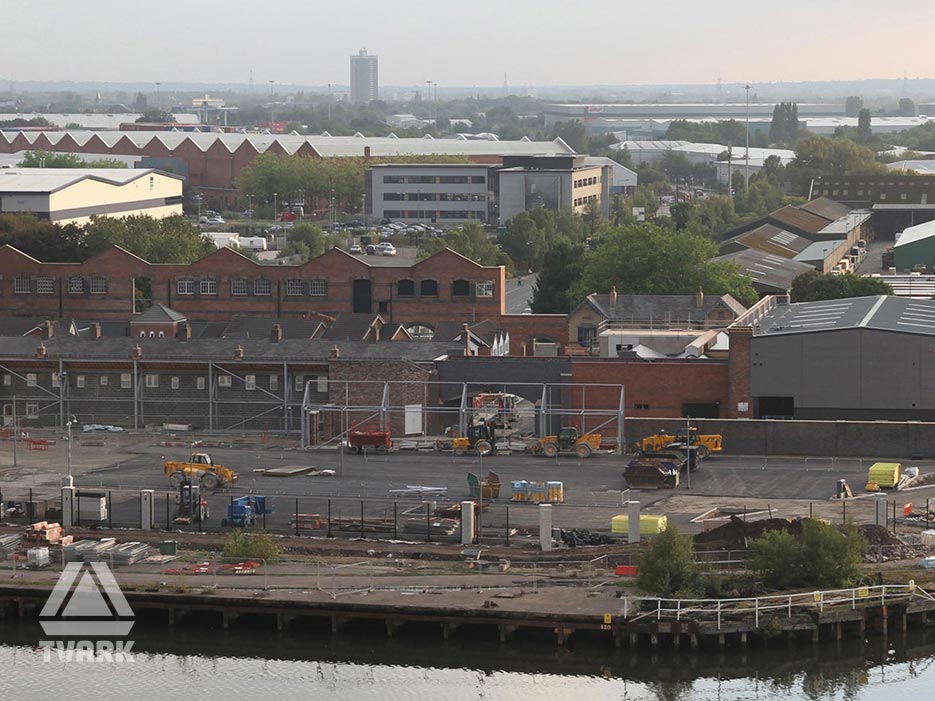
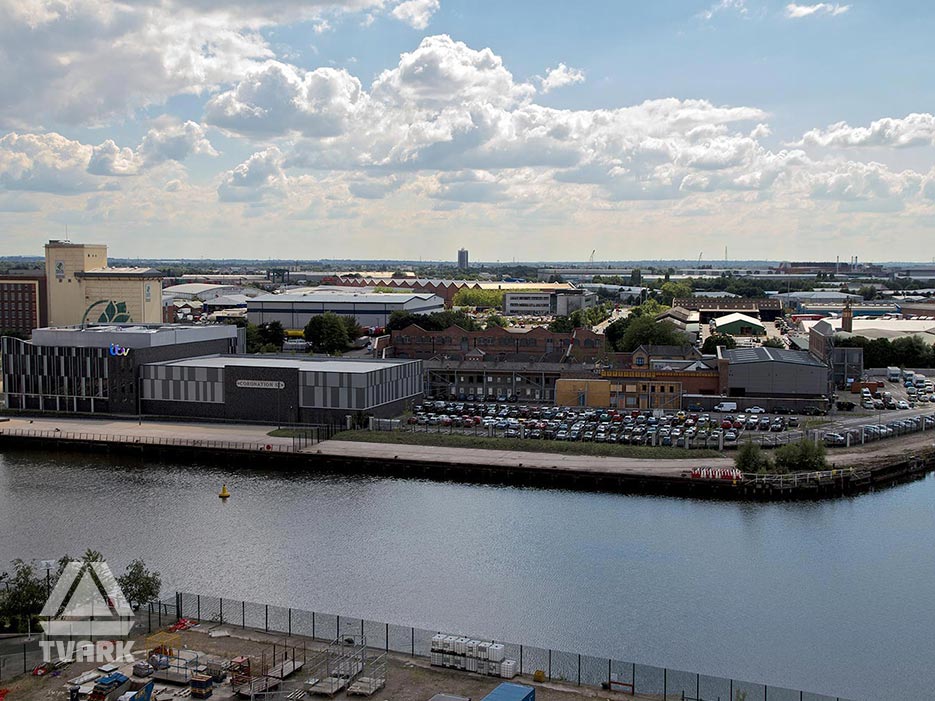
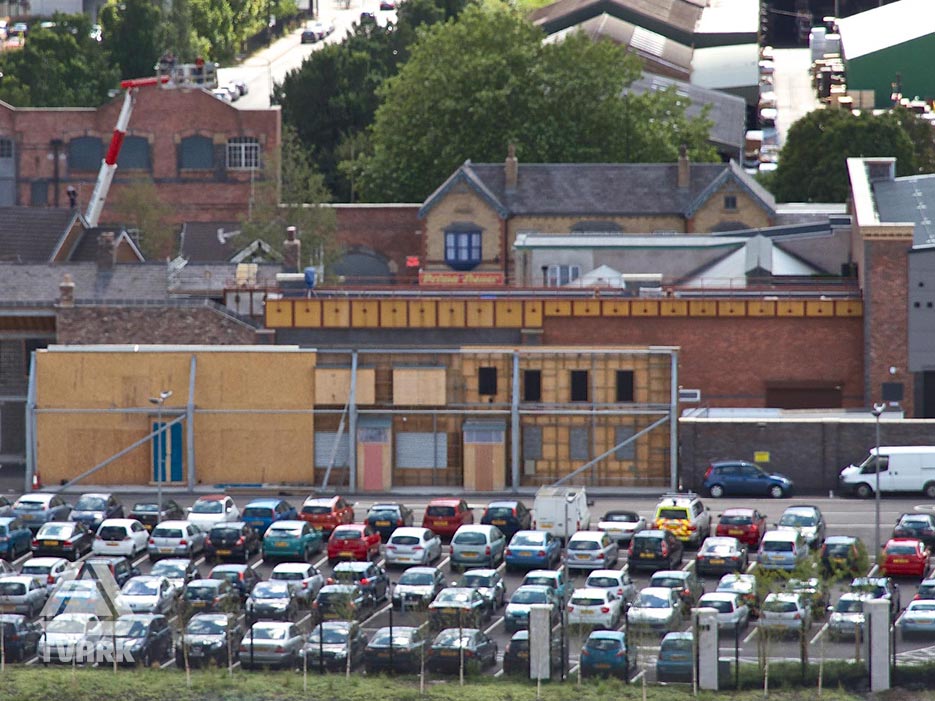
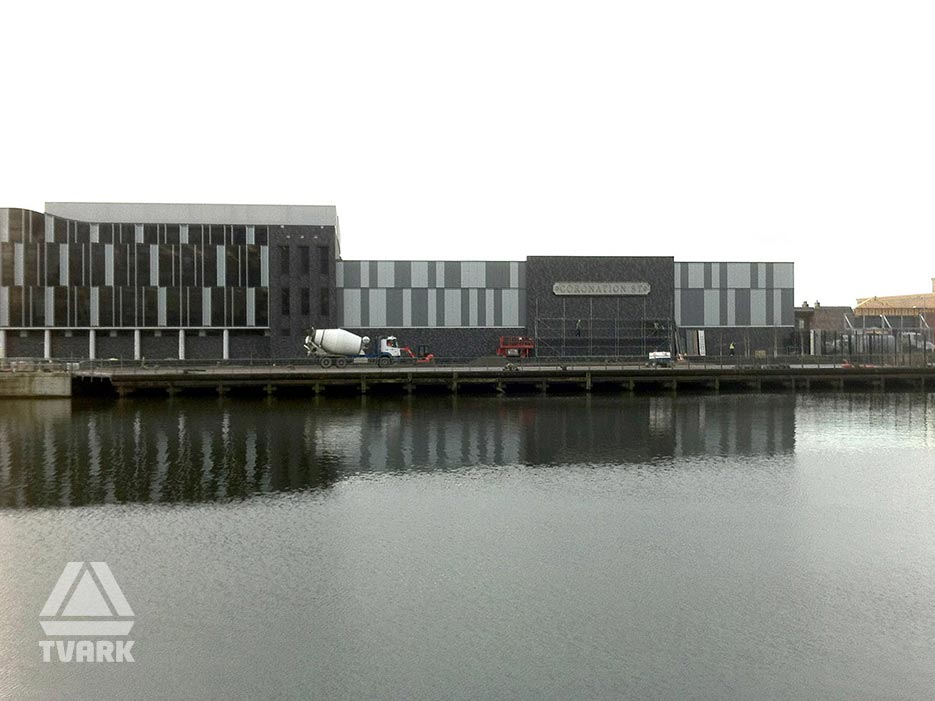
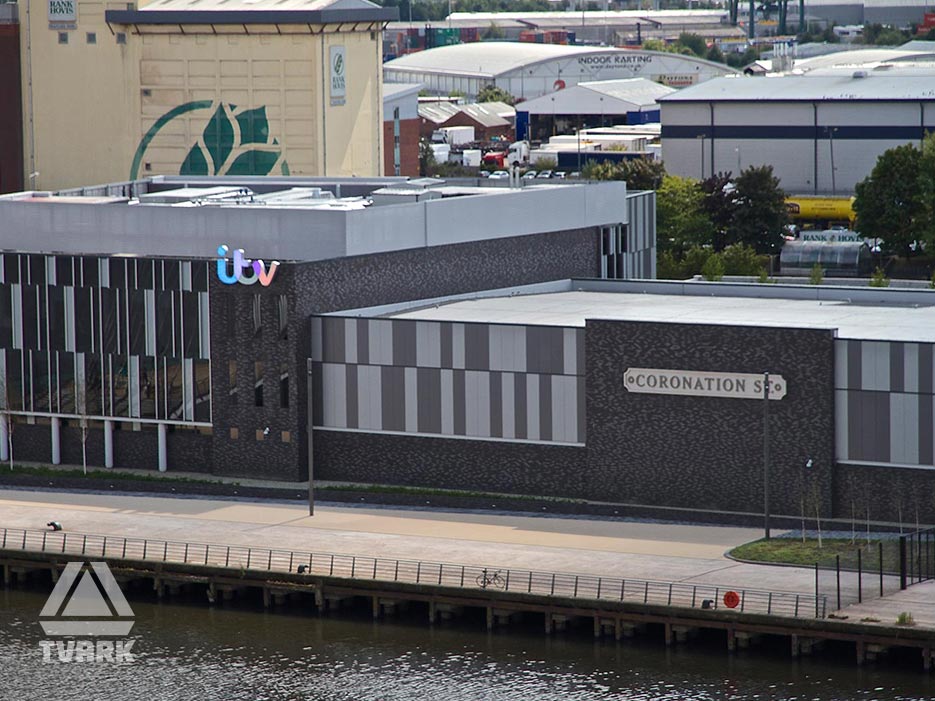
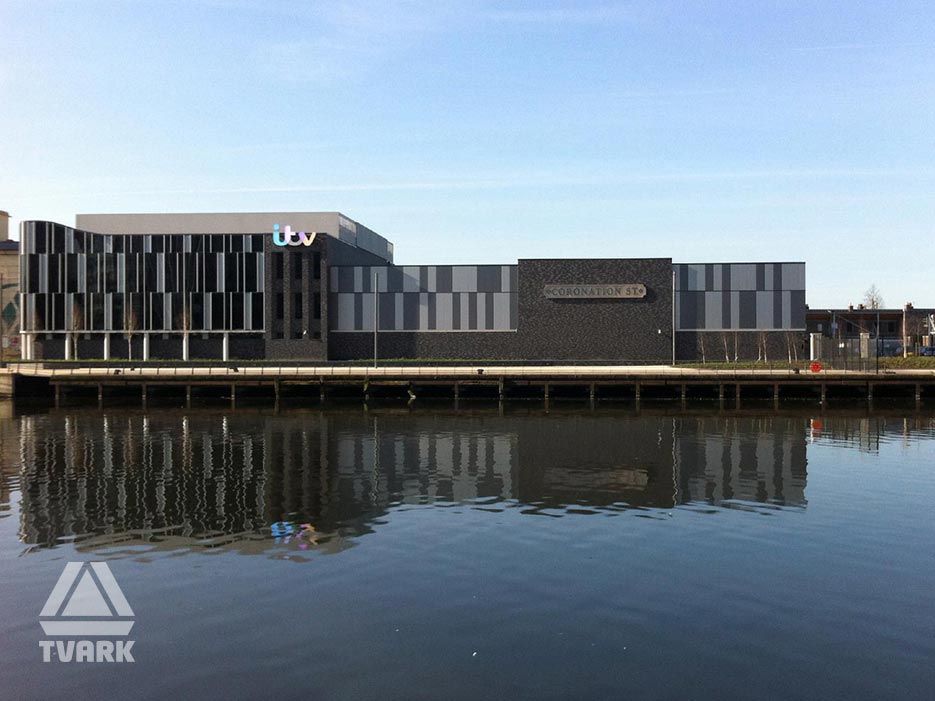
Coronation Street new set in Trafford Wharf was revealed to the press in December 2013 and due to open for business in January 2014. Filming ceased on the former set on Quay Street on December 20th 2013. Below are images of the new exterior opposite Media City in Salford.
New, it's not
Quality: HQ
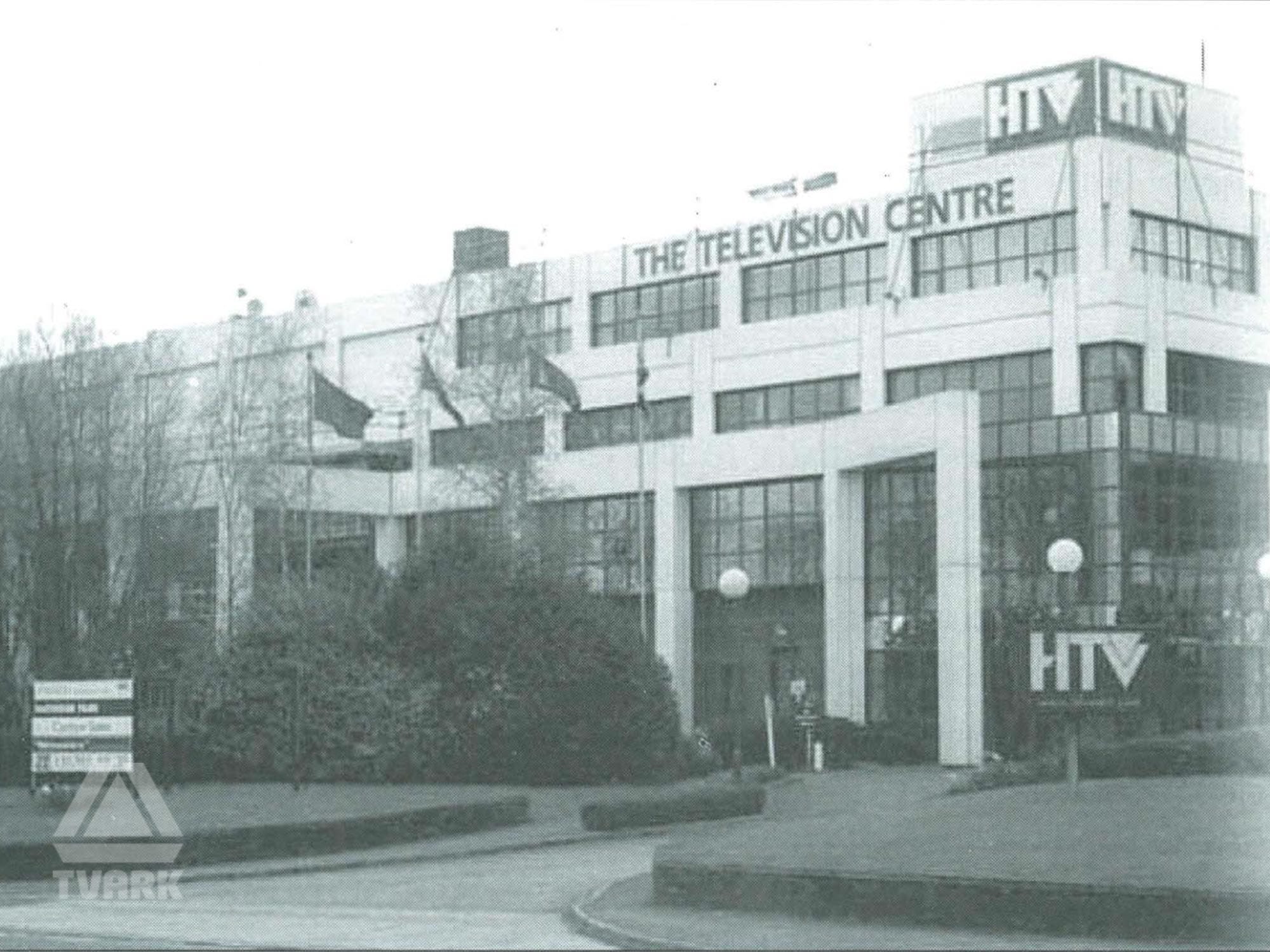
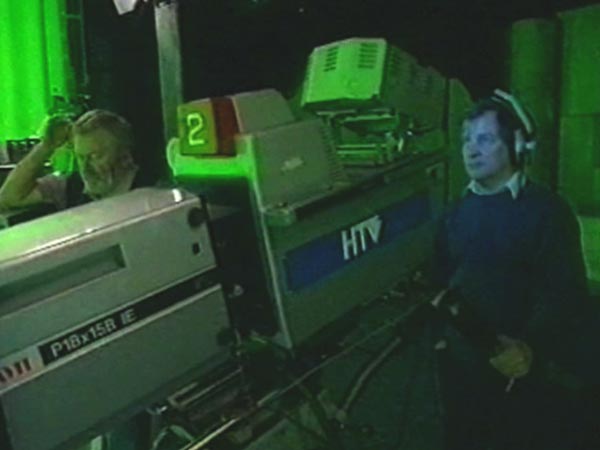
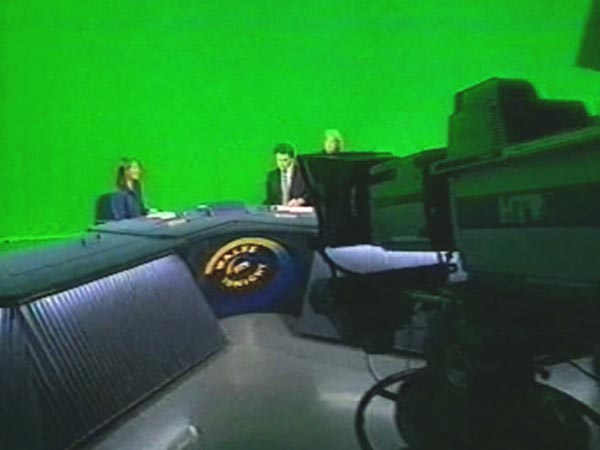
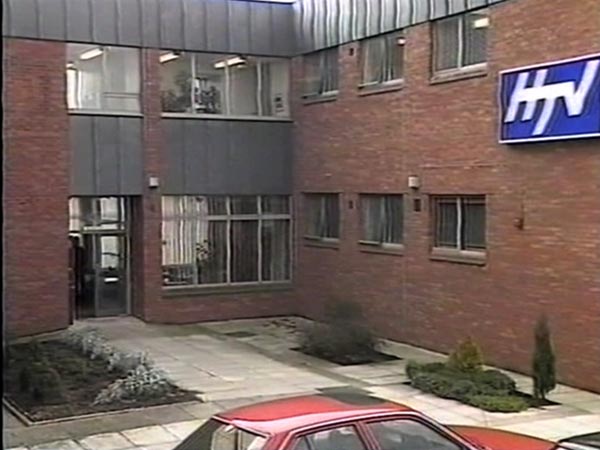
In 1984, HTV opened a new £14 million television centre at Culverhouse Cross, Cardiff to replace the original one at Pontcanna. Transmission continued to originate from Pontcanna until 1988, when this transferred to the new centre. In addition to providing playout for both HTV services, the new centre would, from 1 January 1993, also provide transmission of South West England franchise Westcountry Television.
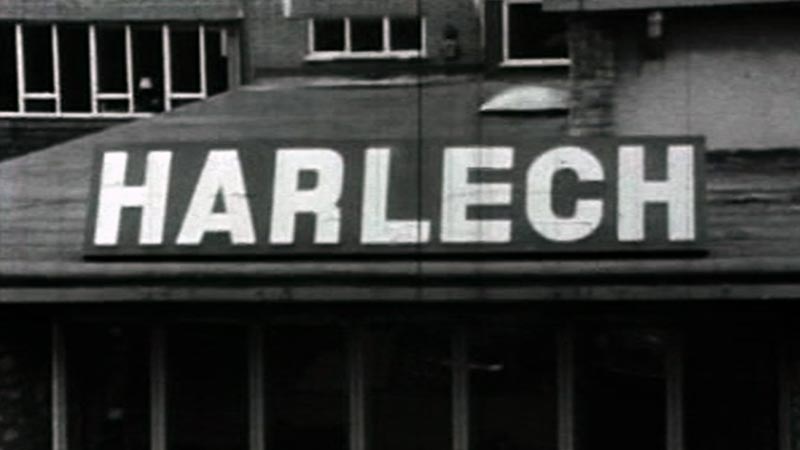
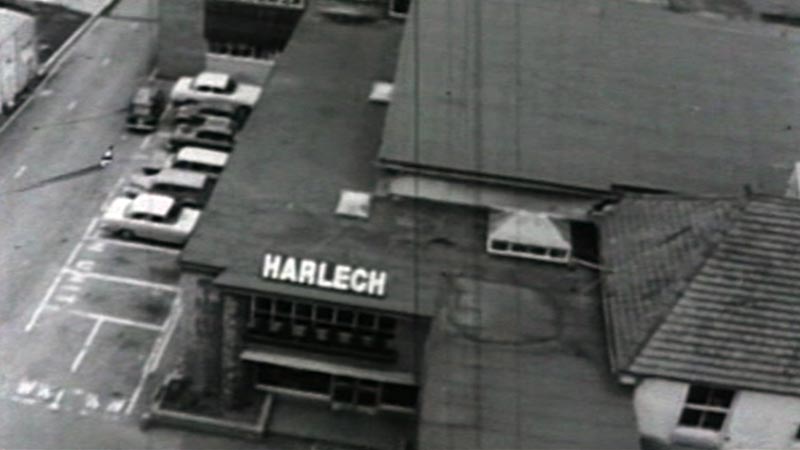
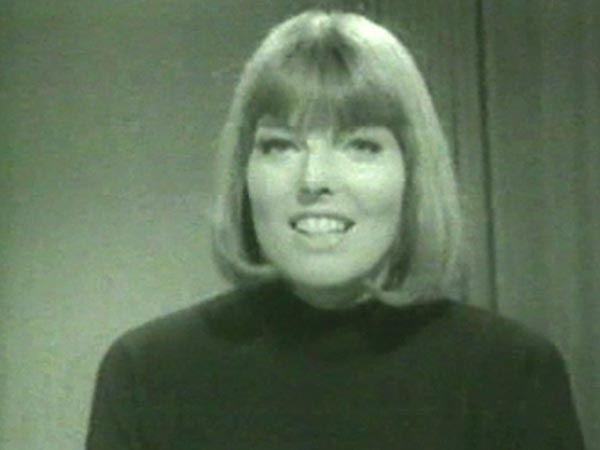
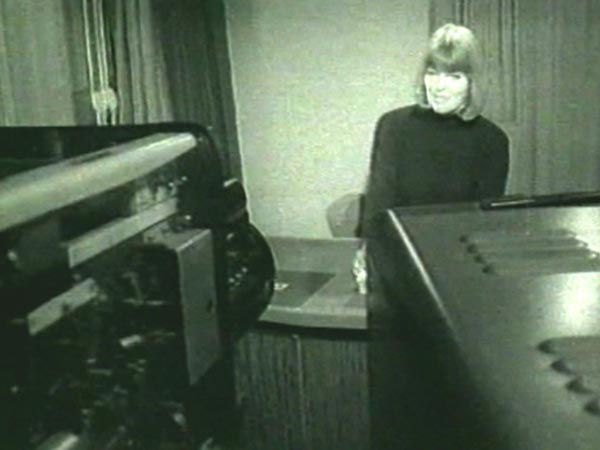
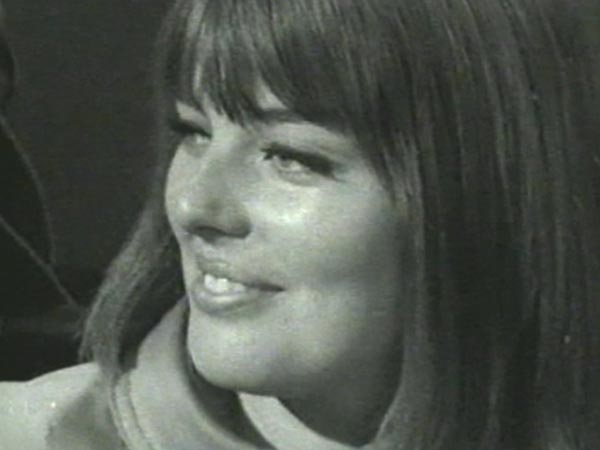
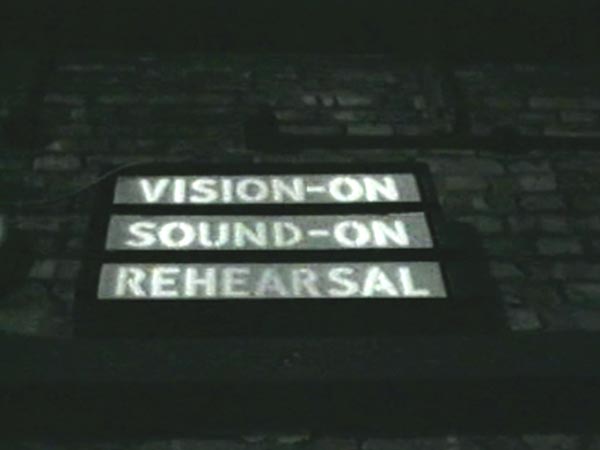
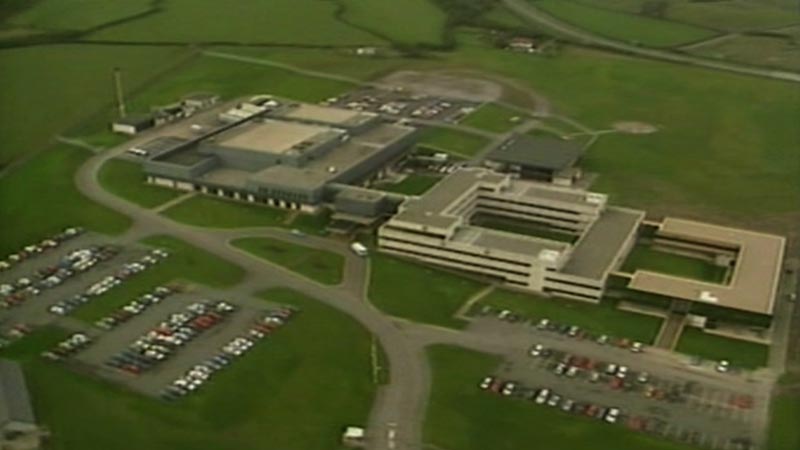
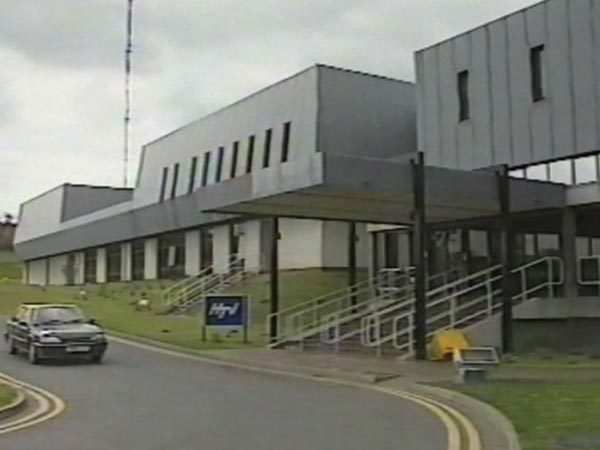
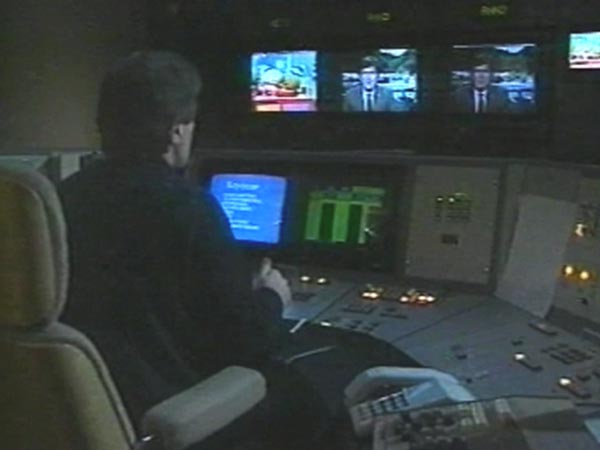
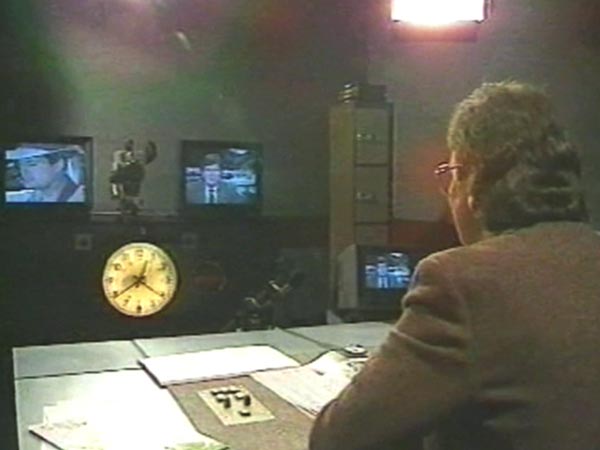
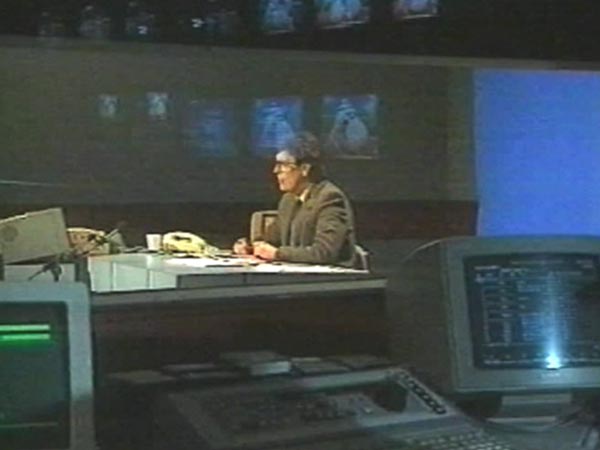
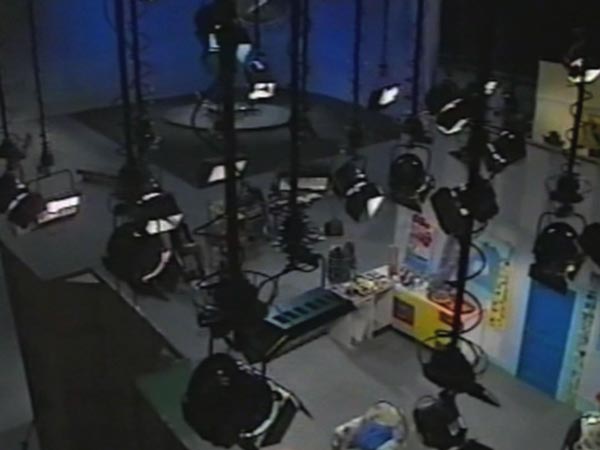
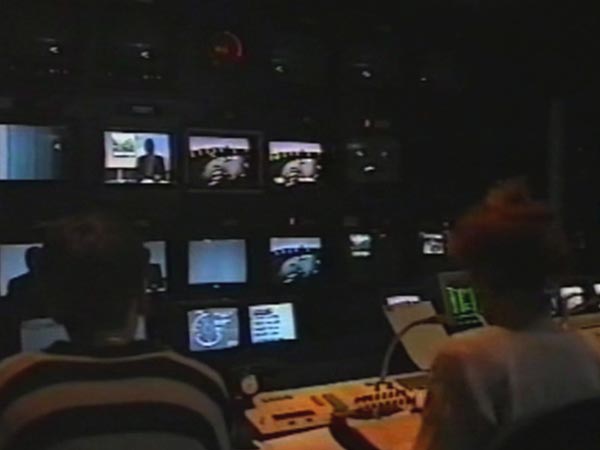
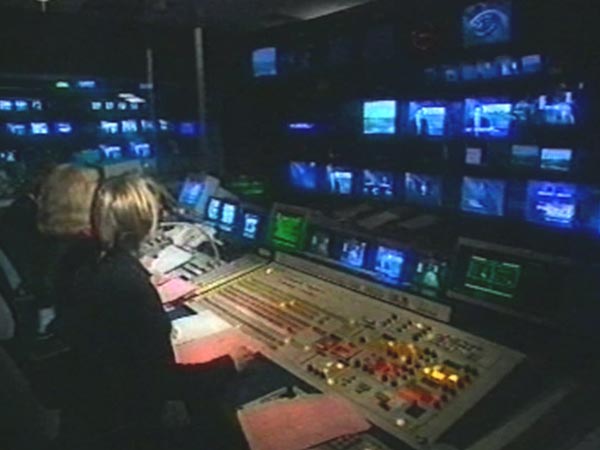
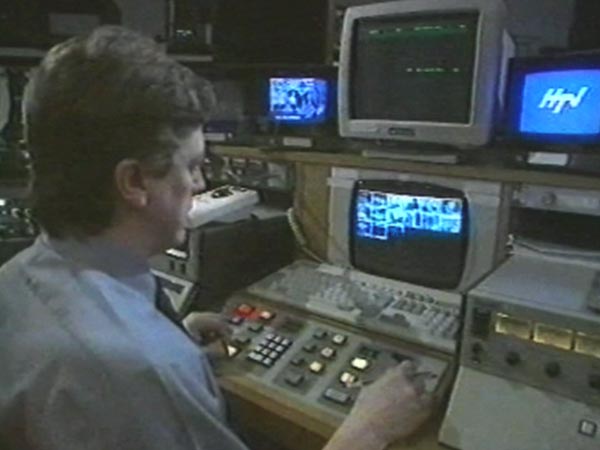
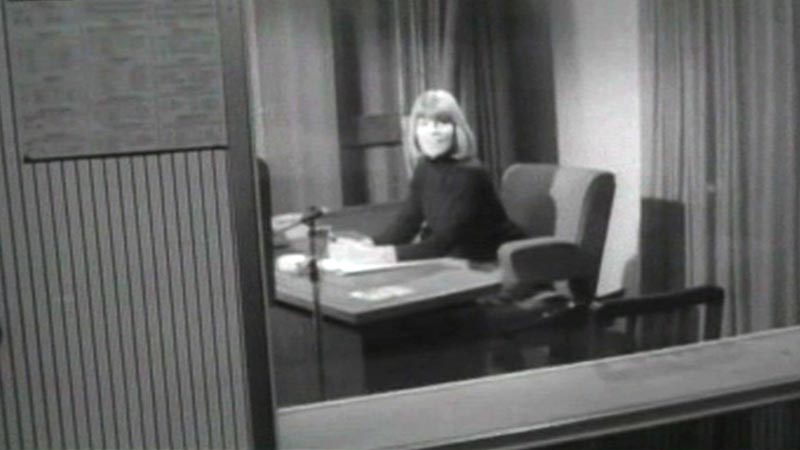
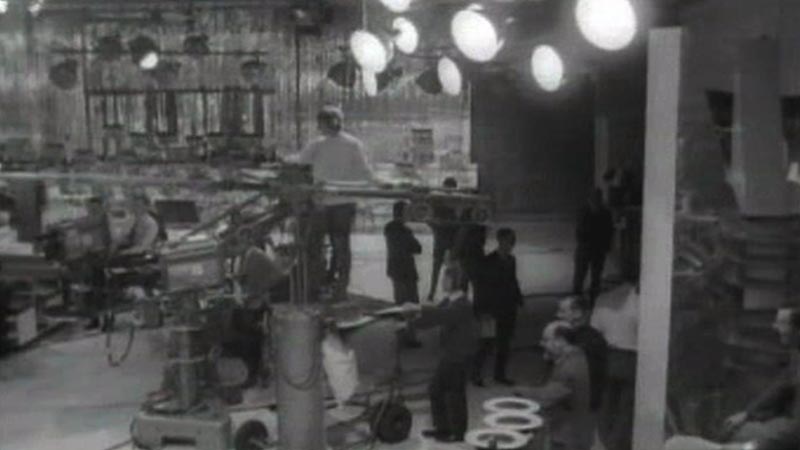
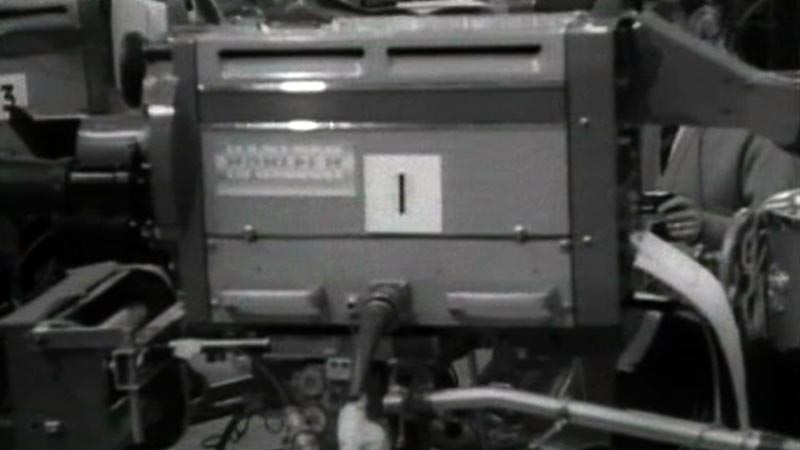
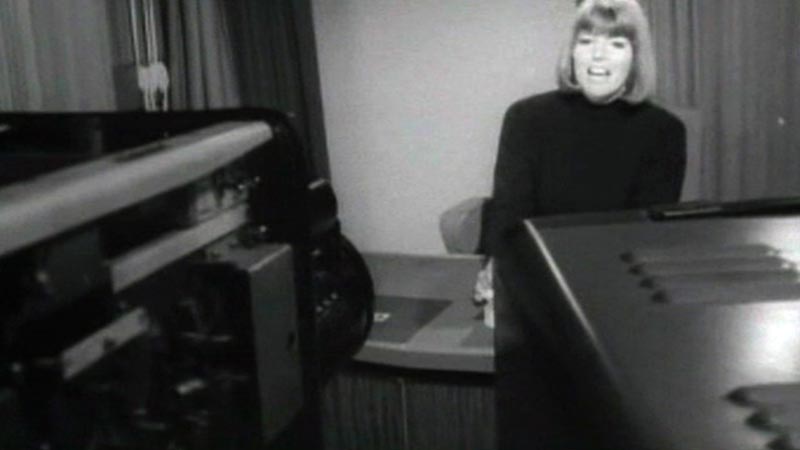
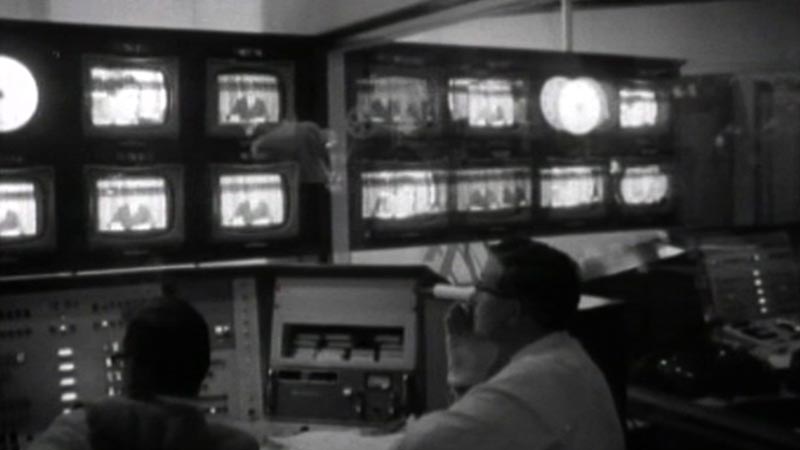
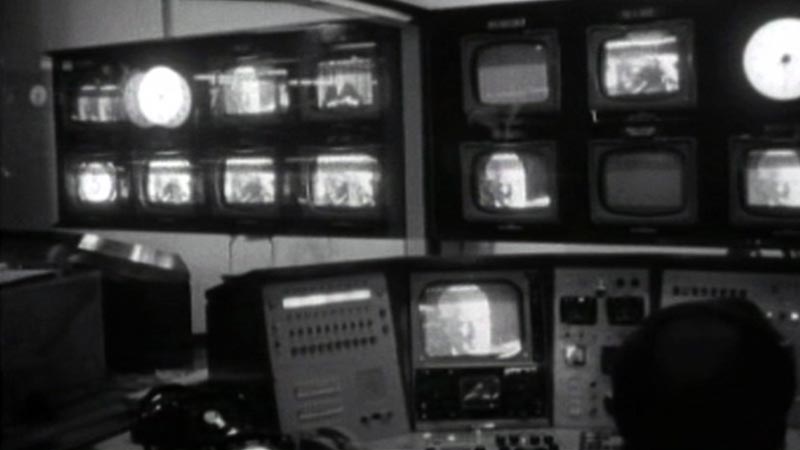
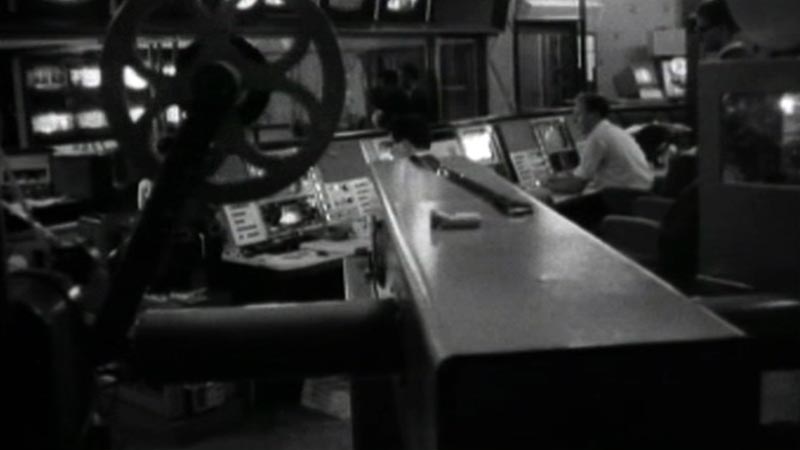
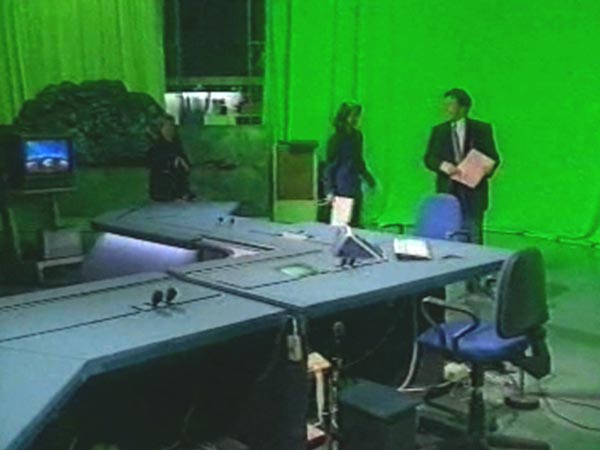
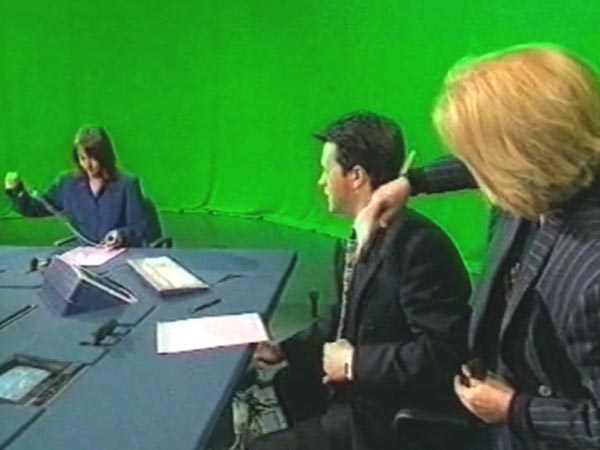
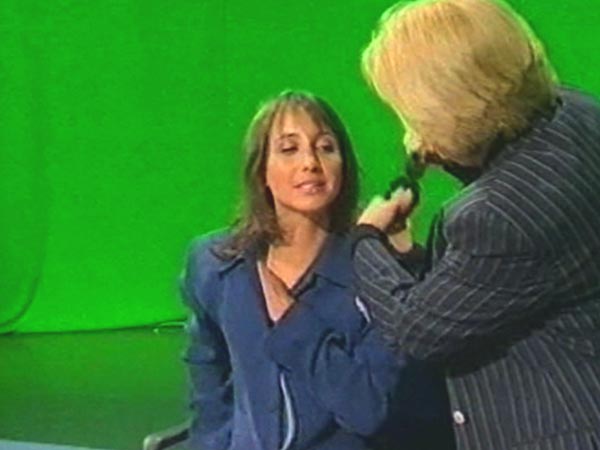
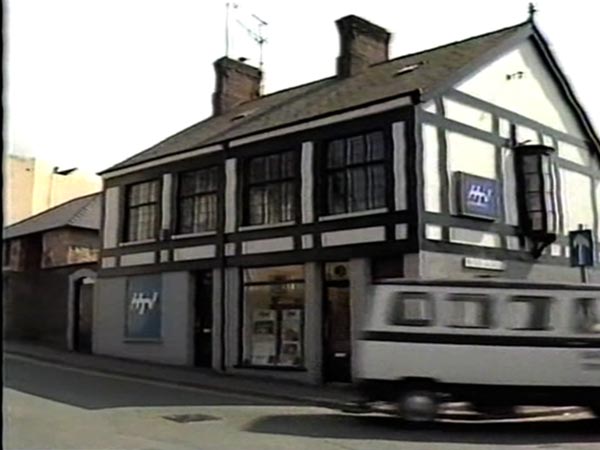
Until the compilation of the new East Midlands headquarters, Central's East Midlands operations were based on an industrial estate at Giltbrook, near Eastwood on the outskirts of Nottingham. A temporary radio link from Giltbrook to the Waltham transmitter via BT Bowman/Sheriff (Nottingham) Telephone Exchange provided the contribution feed into the studio/transmission network. The building was officially opened on 1st January 1982, unfortunately the new complex were staffed by employees originally based at Elstree, which led to many problems due to the relocation, including industrial action, which resulted in a long delay before it become operational in September 1983.
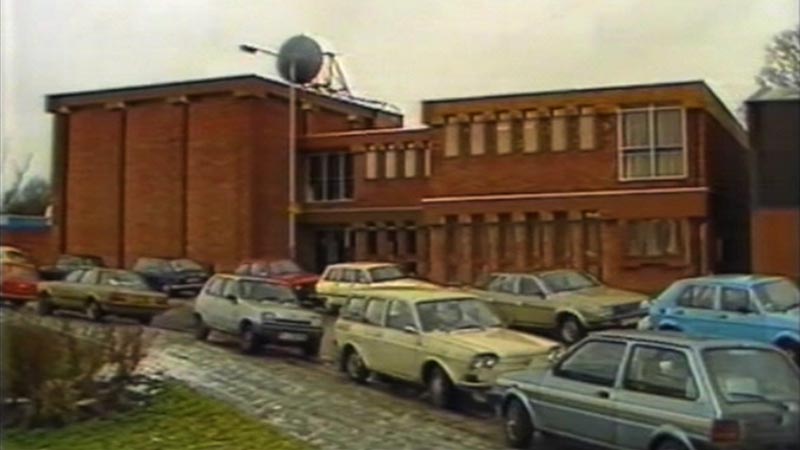
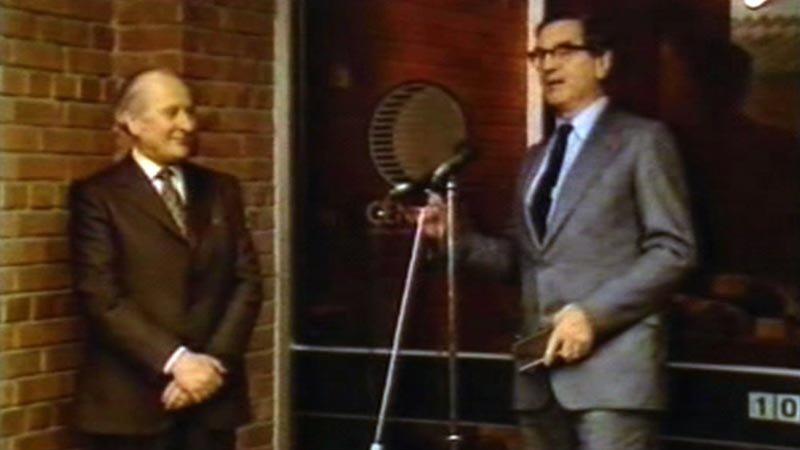
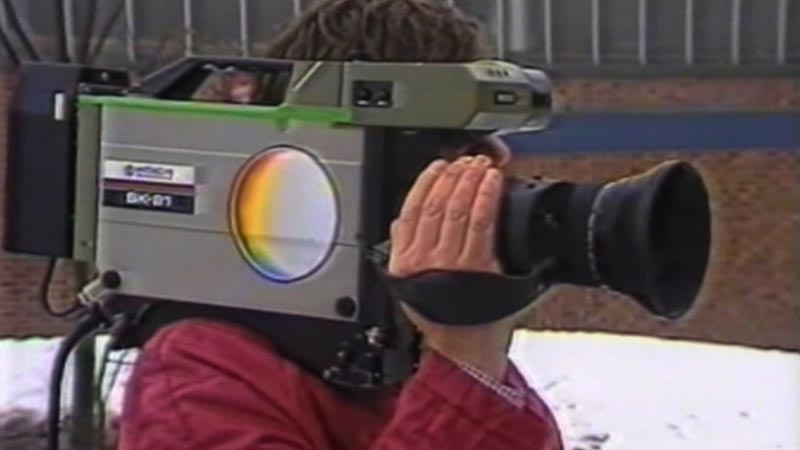
Central decided to construct new studios for its East sub-region, based in Lenton Lane, Nottingham, the new complex was to be called 'East Midlands Television Centre'. The Nottingham studio complex finally opened in January 1984, followed by an official opening by the Duke of Edinburgh on March 2nd 1984.
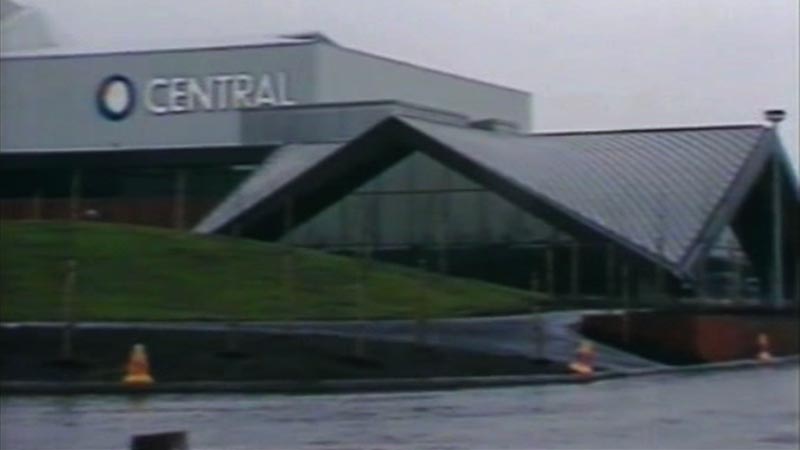
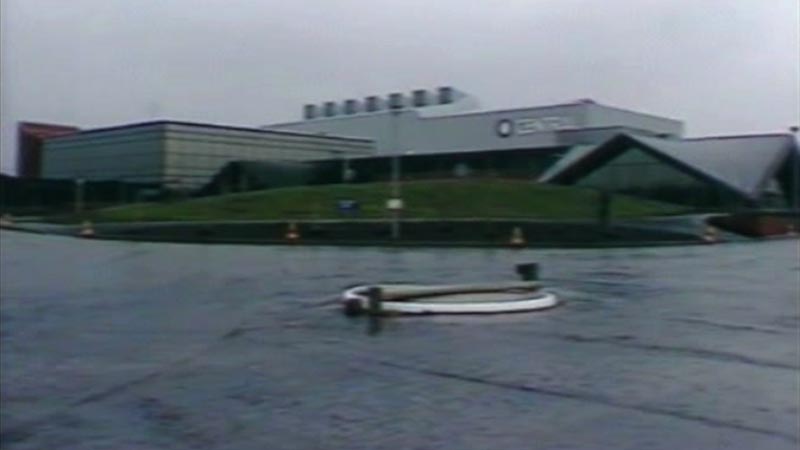
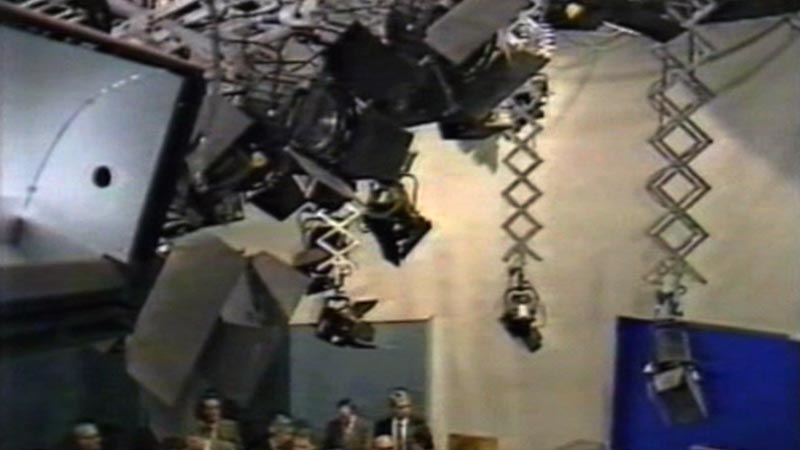
Gas Street Studios is a studio complex operated by ITV plc in Birmingham, England. The complex is currently only used by ITV Central for the broadcast of ITV News Central and much of the complex has been sold off for other uses. The complex had also previously been used for other broadcasts including the former home of CITV.
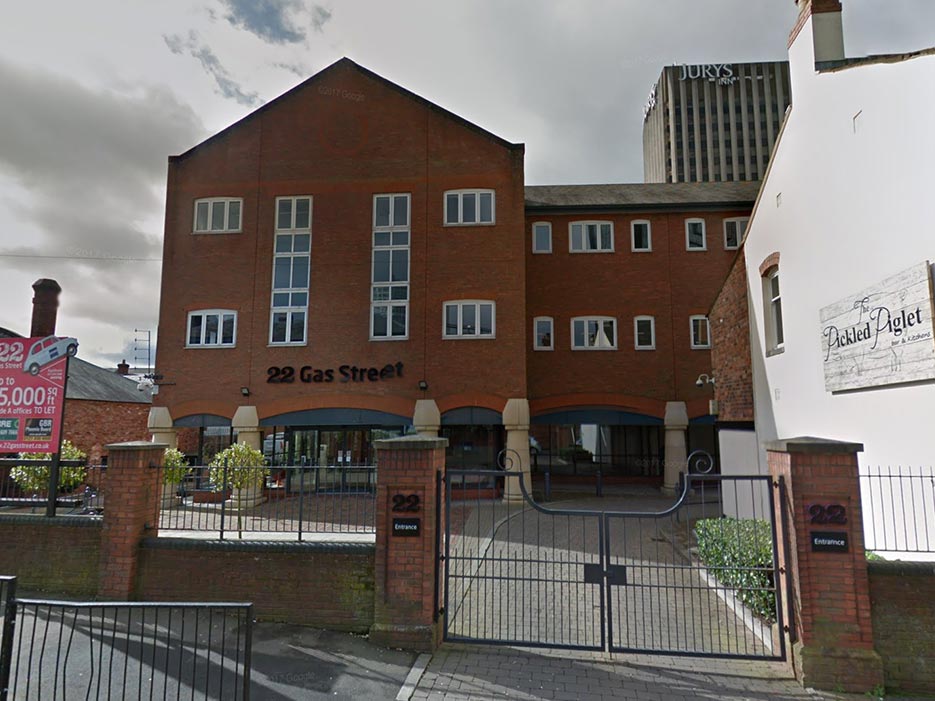
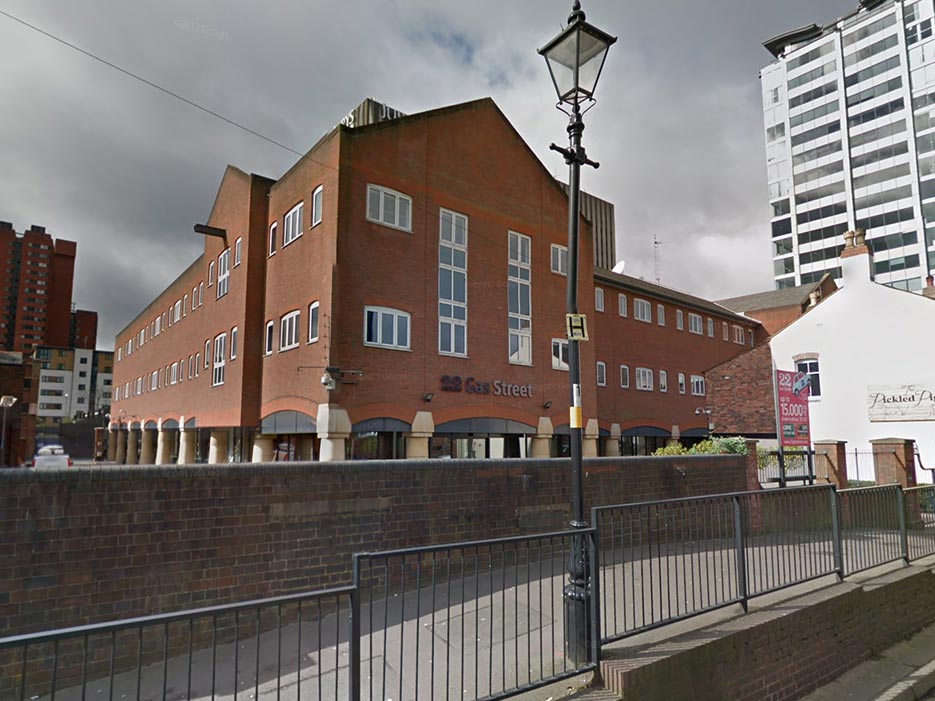
We've no pictures or information at present, can you help?
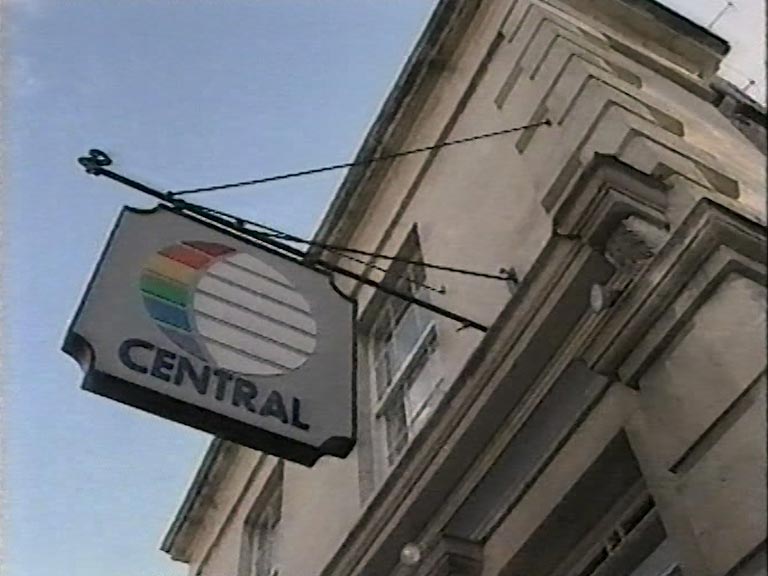
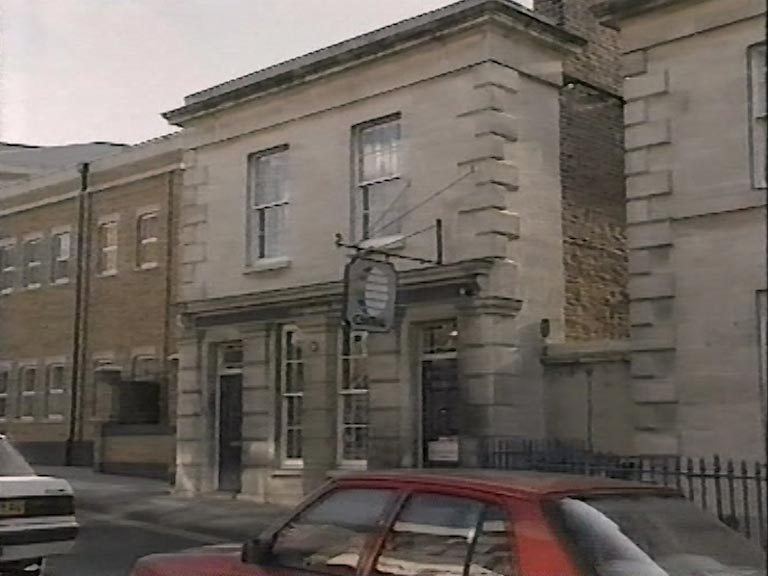
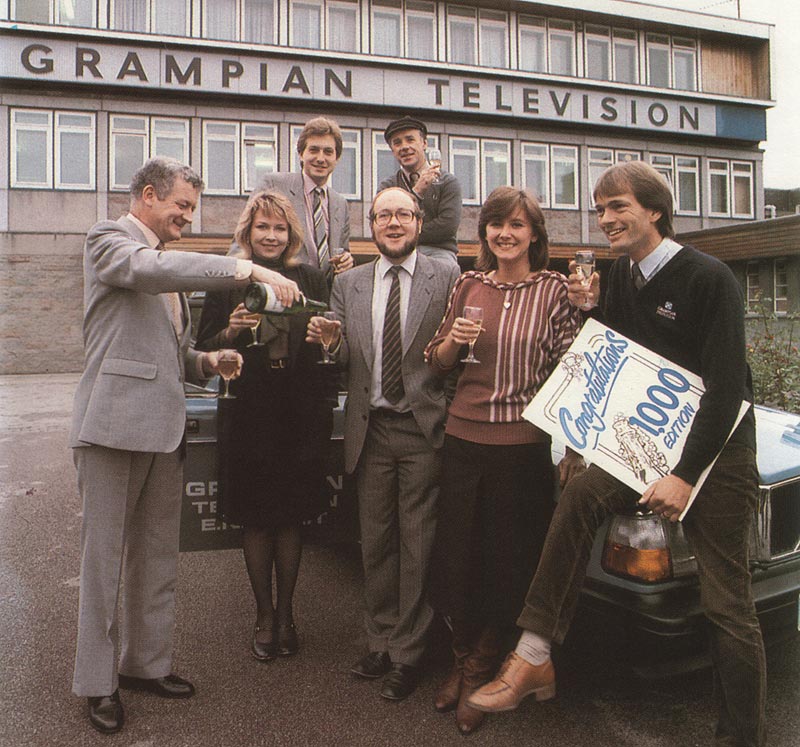
Grampian's first studios and headquarters were located at Queens Cross, Aberdeen, where the company purchased a former tram depot belonging to Aberdeen Corporation Tramways in 1960. The depot was converted for use as television studios with completion planned prior to October 1961. The complex housed two main studios and a third smaller studio for continuity, which was updated in the early 1980s when £4 million worth (2009: £10.5m) was spent on a new Central Technical Area and presentation facilities.These studios continued to be of importance to Grampian well into the new millennium, despite the transfer of the presentation and continuity to Scottish's Glasgow base and job losses when SMG took over the company.
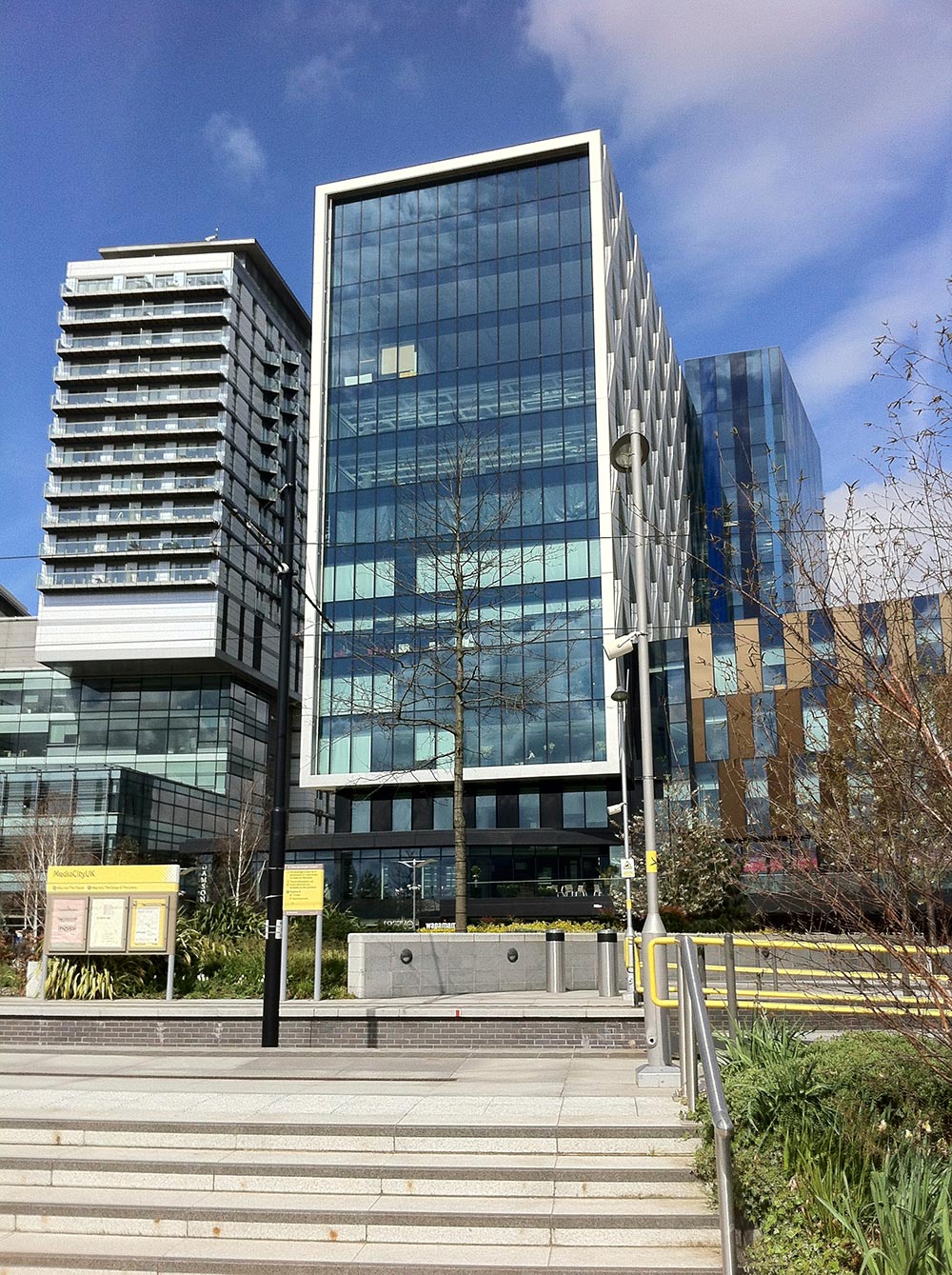
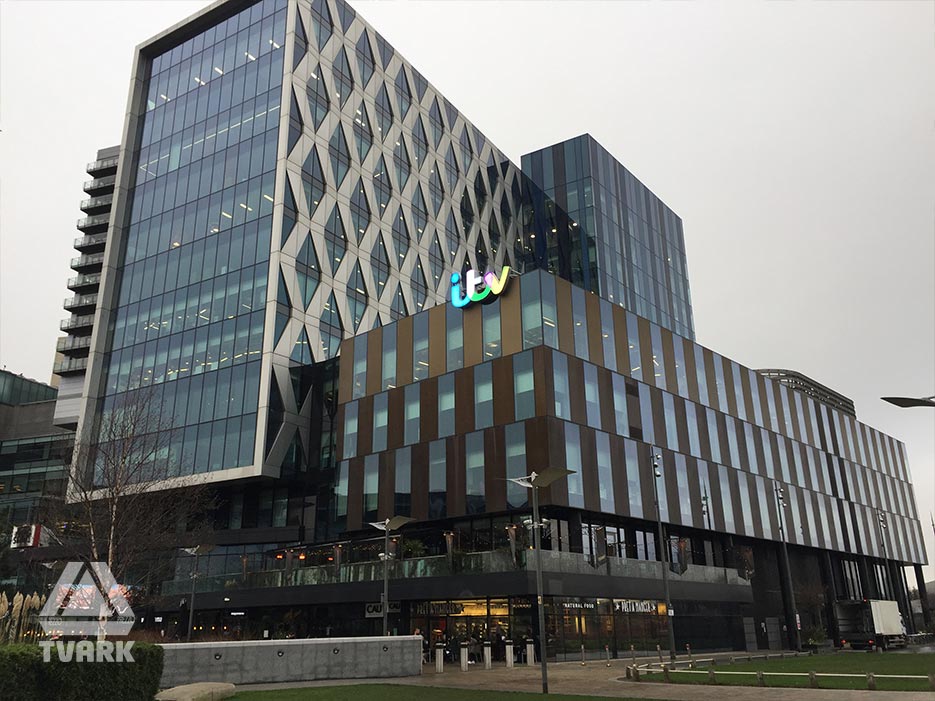
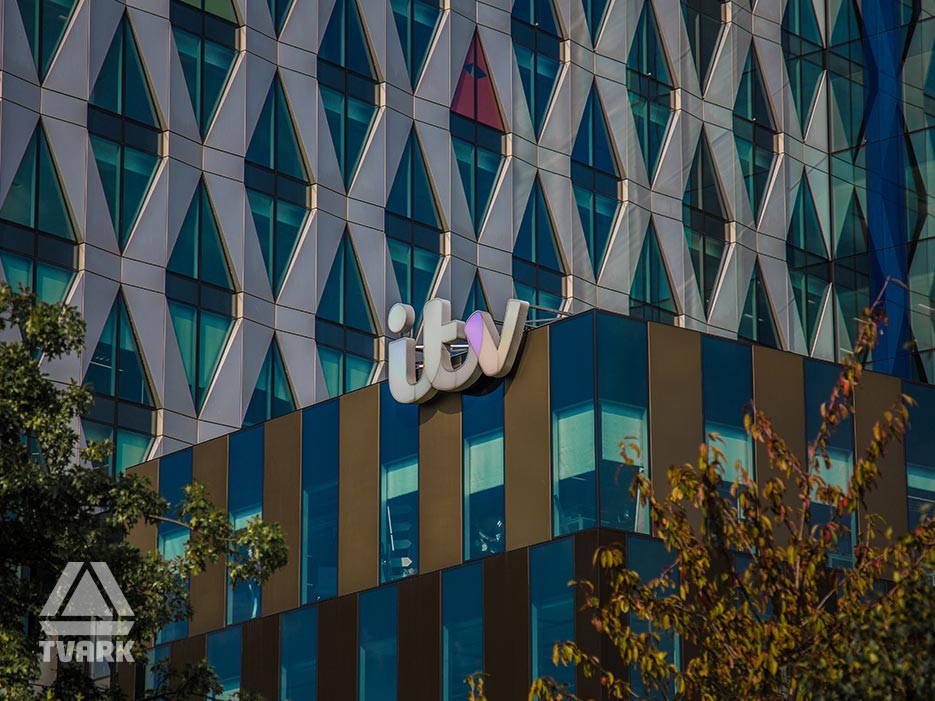
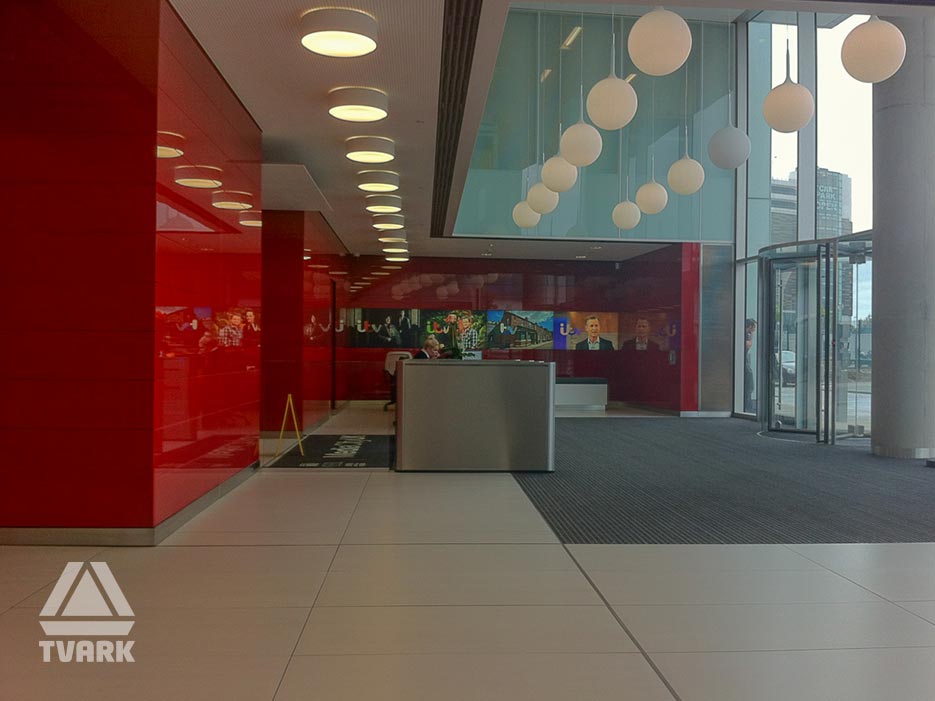
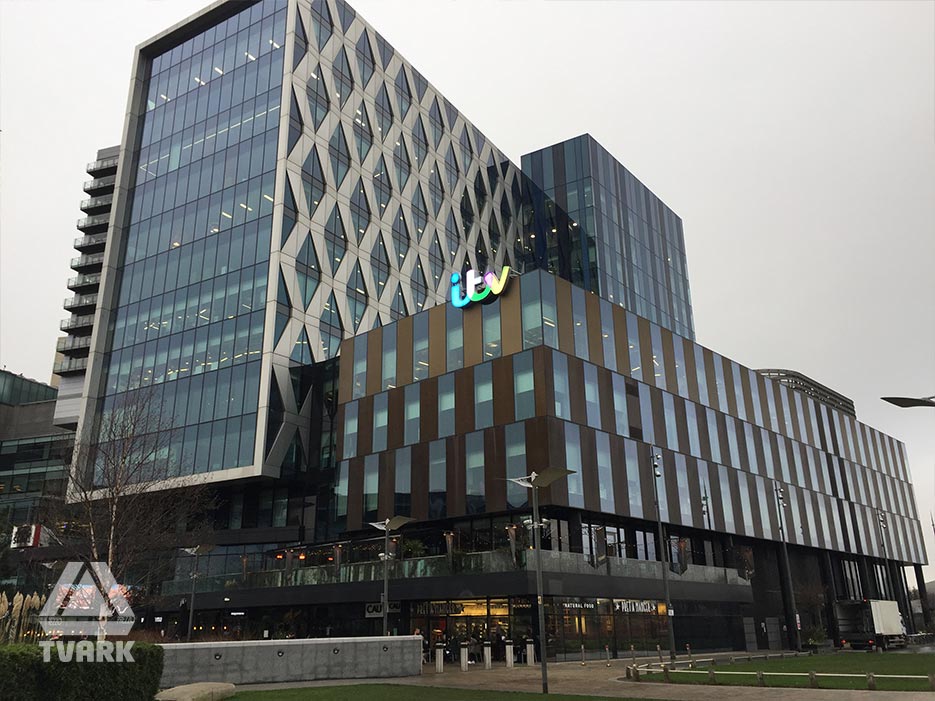
ITV Granada moved to Media City, Salford. Granada Reports, Entertainment, and other departments including post production are based in the Orange Building, who they share with Salford University. Coronation Street moved to a purpose built studio complex opposite Media City in Trafford.
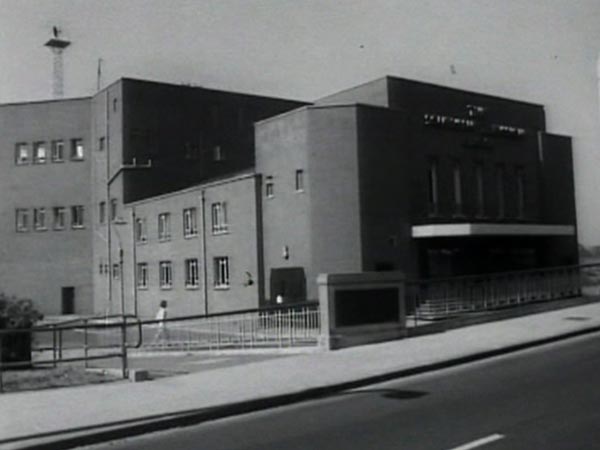
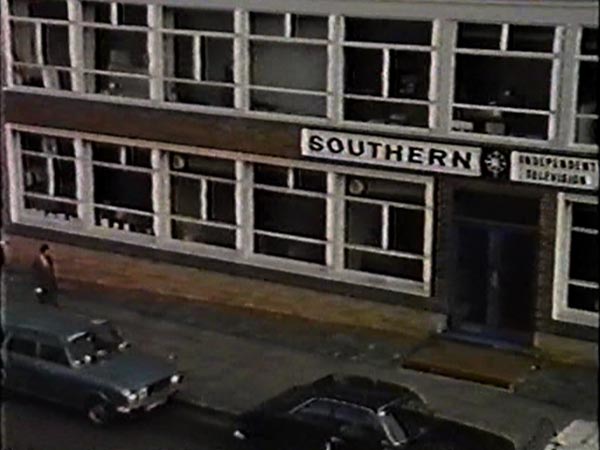
The new complex was state of the art and fully equipped for colour television, launched in the region in 1969. Southern moved into the new complex on 19 August 1969. The site had two large production studios, ready to produce many of Southern's programme productions for the ITV Network.
New, it's not
Quality: HQ
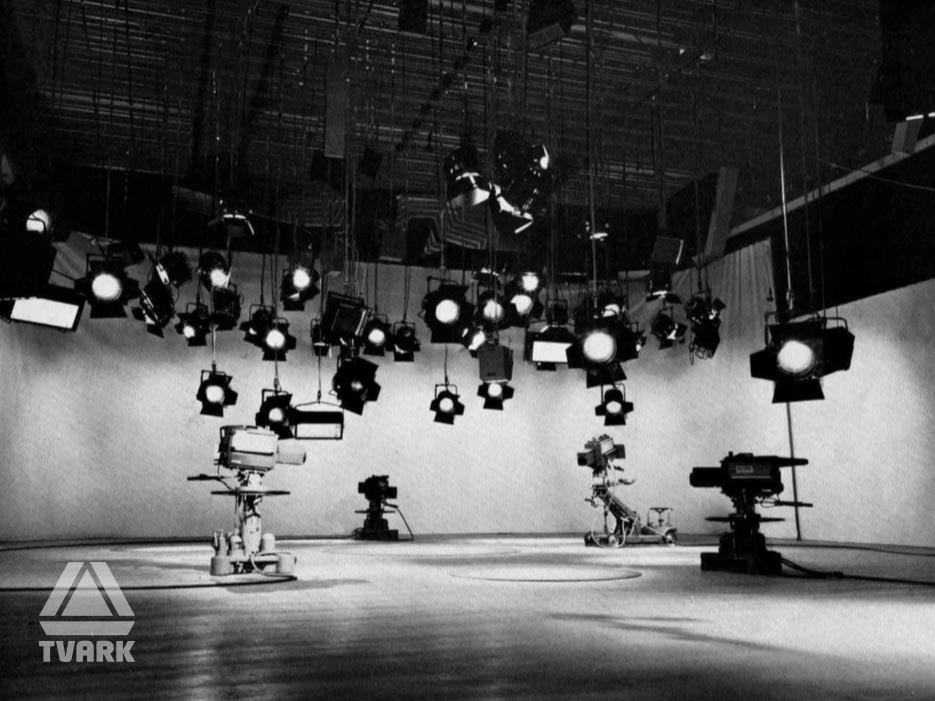
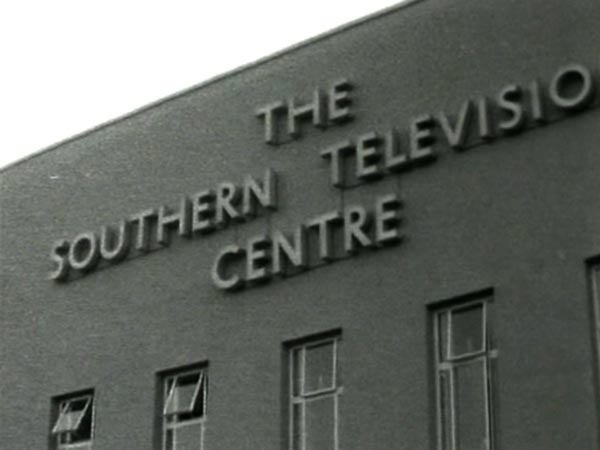
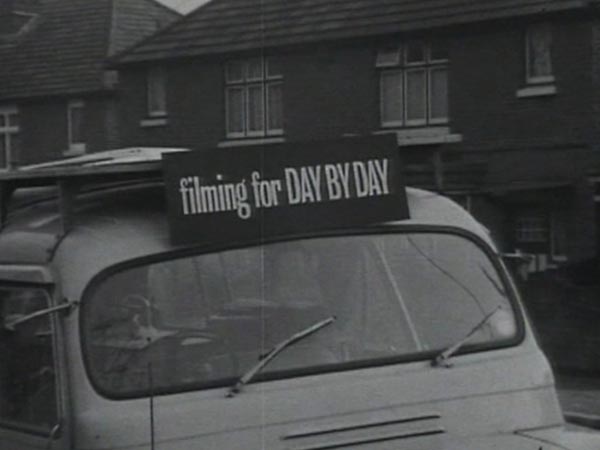
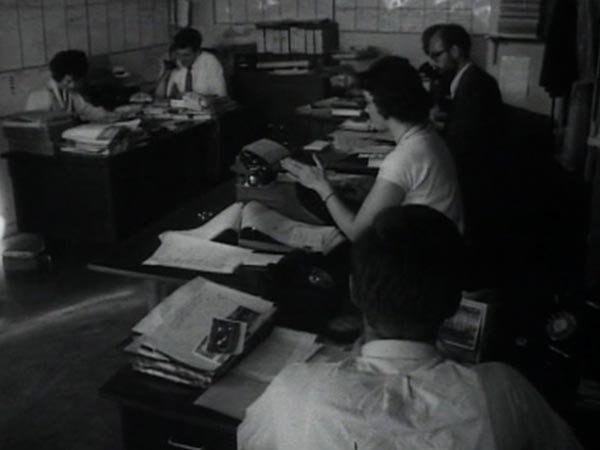
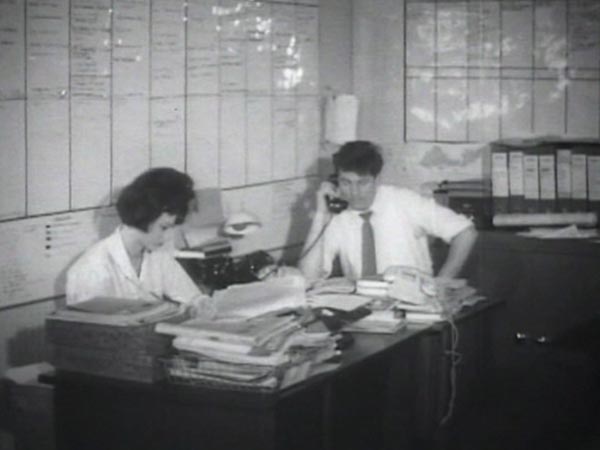
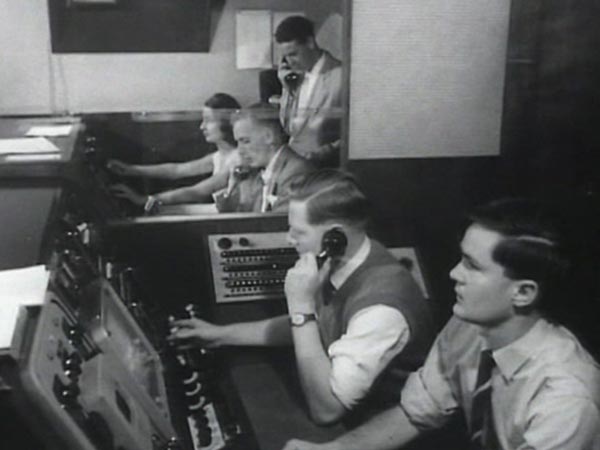
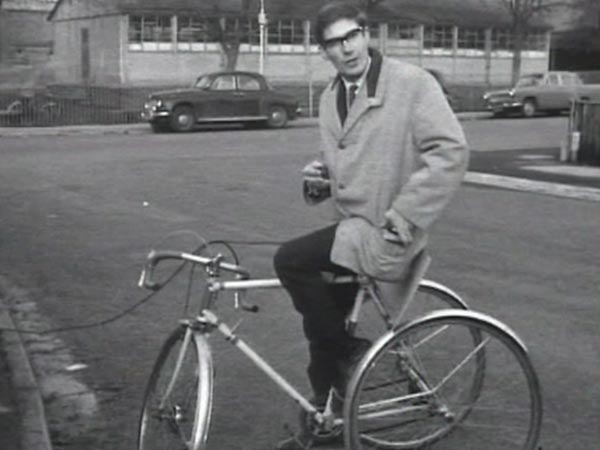
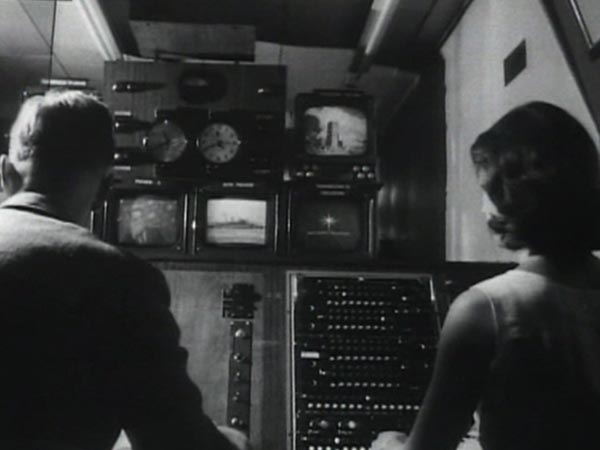
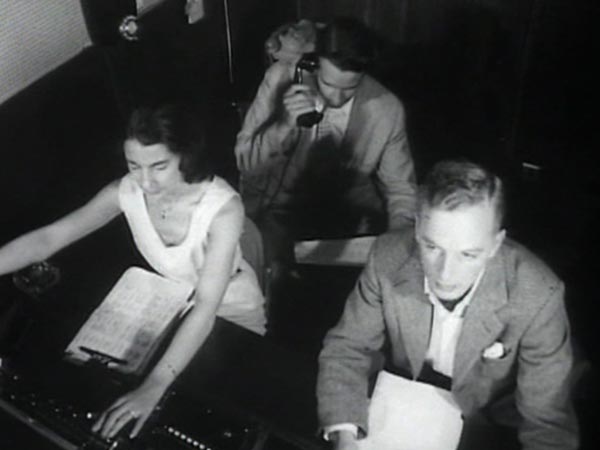
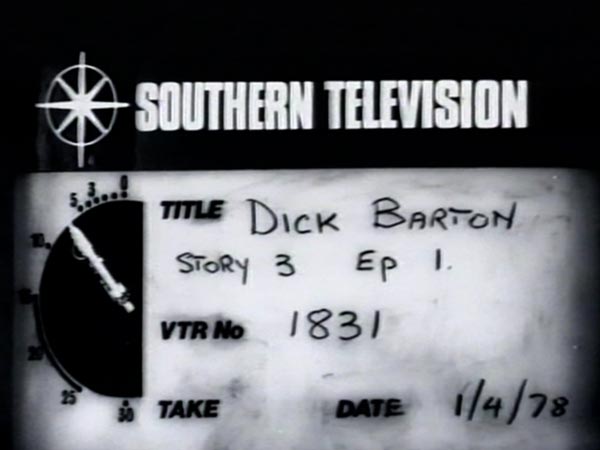
In June 2003, Grampian moved to new, smaller, state-of-the-art all digital studios at Craigshaw Business Park in West Tullos, Aberdeen, some of the most advanced in the world at the time of opening. Around 2010 half the building was sold off to other business.
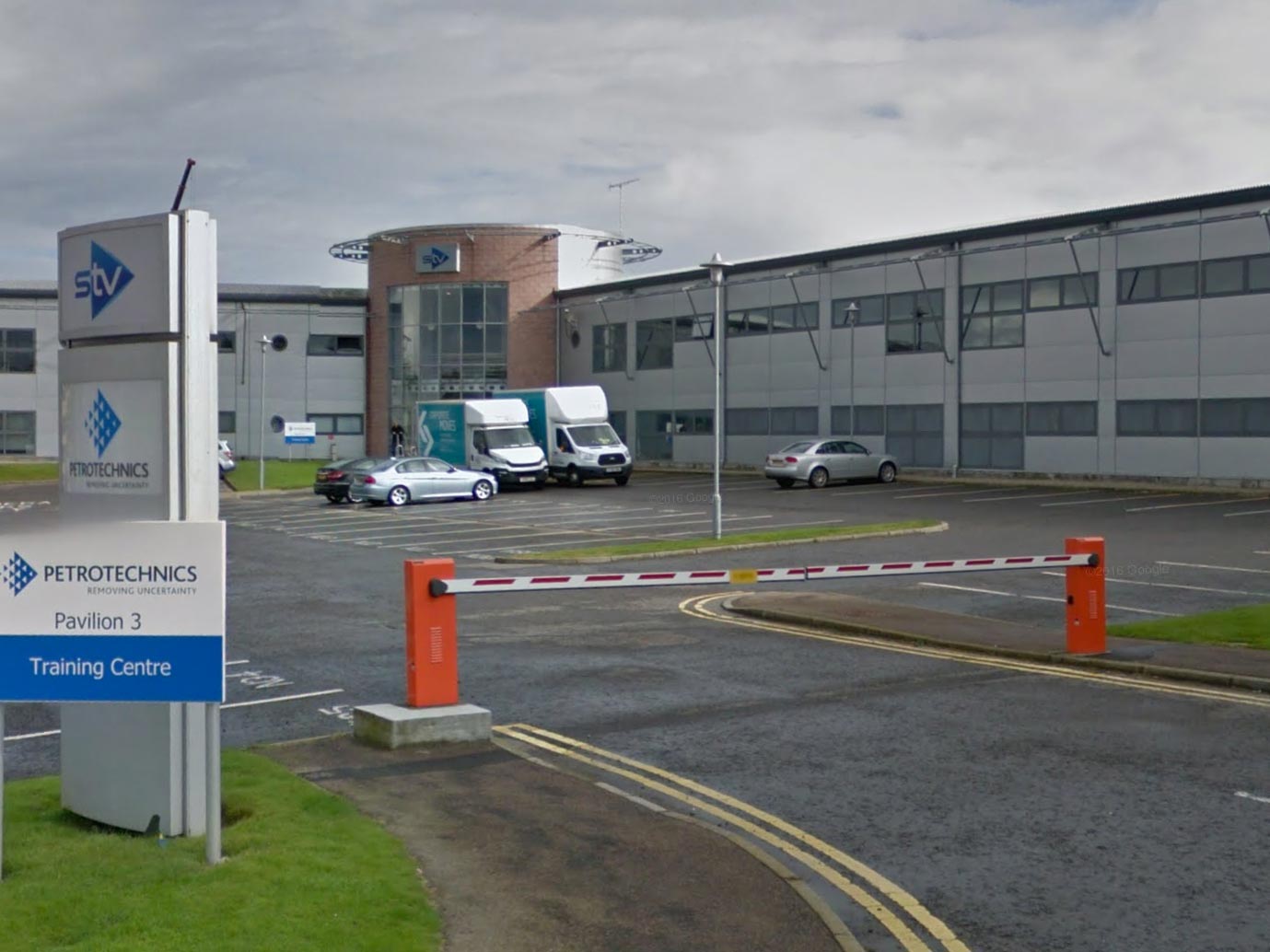
STV's former Cowcaddens headquarters opened in 1974 on Renfield Street in Cowcaddens on land opposite the Theatre Royal site and was officially opened on 12 December 1974 by Princess Alexandra. By the late 1978 expanded further to accommodate further production. Following the completion of the new studio complex, the Theatre Royal was sold to Scottish Opera to become the first national opera house in Scotland, and the home of Scottish Opera and Scottish Ballet. The complex had 4 studios. Studio A was the largest studio used for STV big budget progammes like Fun house, Wheel of fortune and countless dramas. Studio B was smaller, while Studio C was used for Scotland Today, Scotscpot and Glen Michael's Cartoon Cavalcade at one point. Studio D was Continuity suite.In the late 90s the building was extended further eastward which included a new office block, which was used for Newspapers operations which come into companys ownership during this 90s and 00s, plus a new front entrance. In 2003 STV anncouned it was to move to a new new purpose built facility.
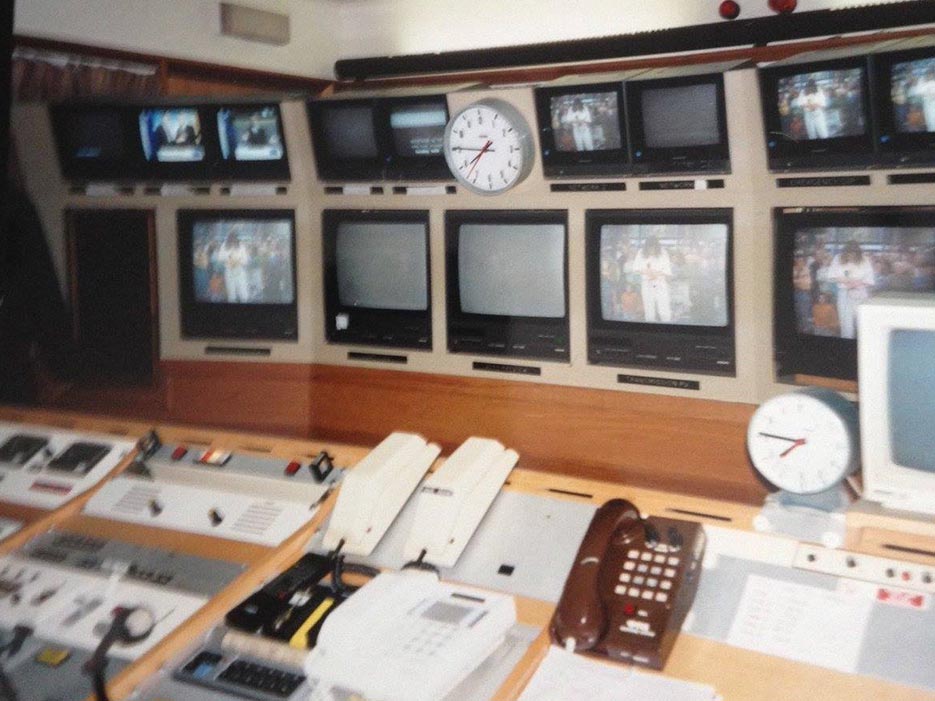
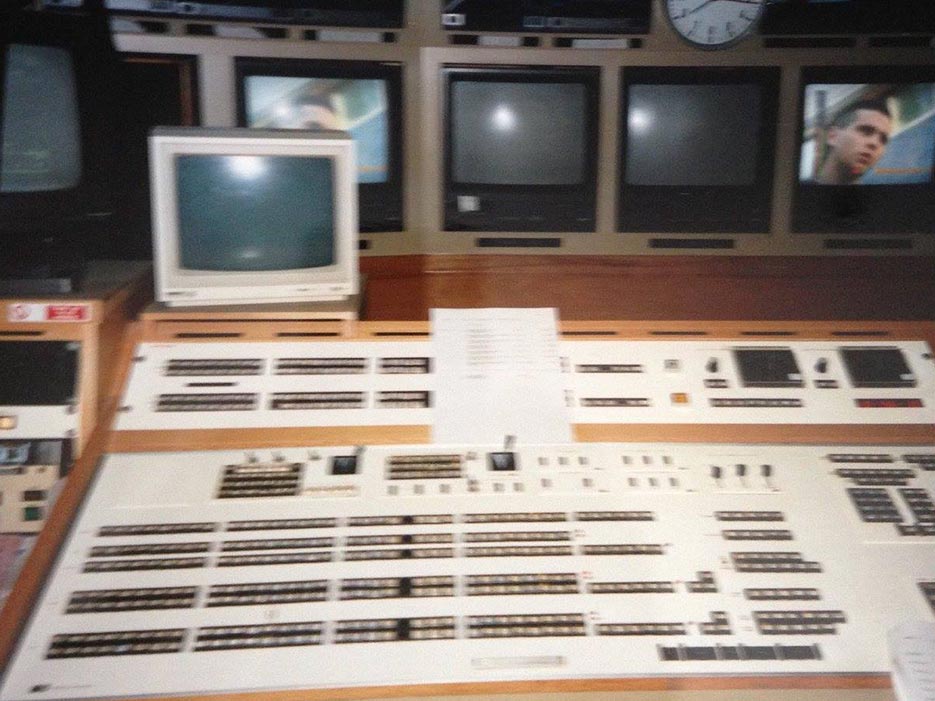
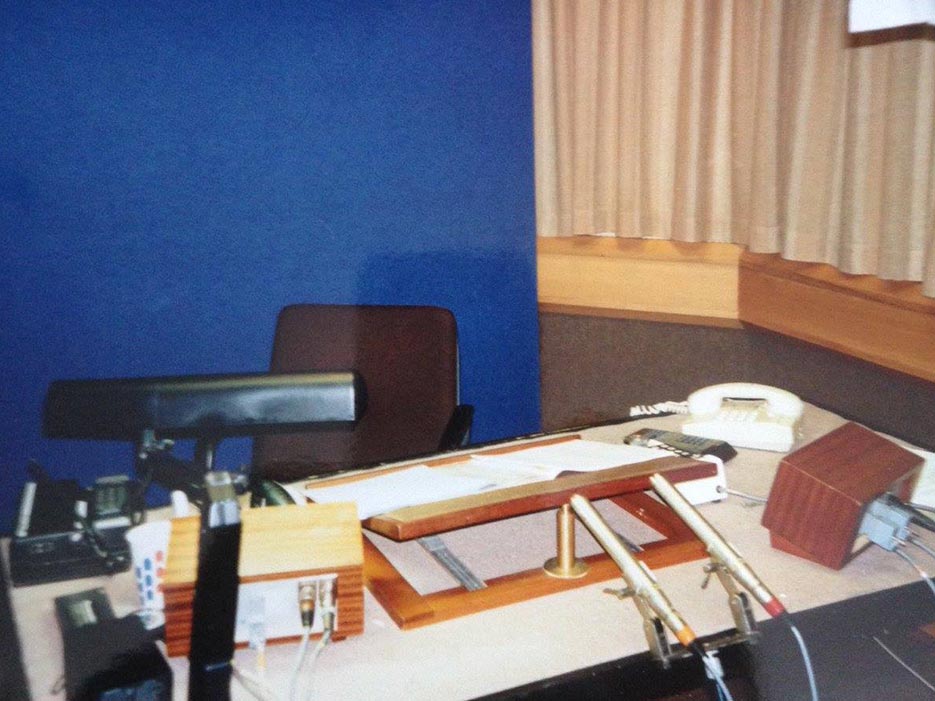
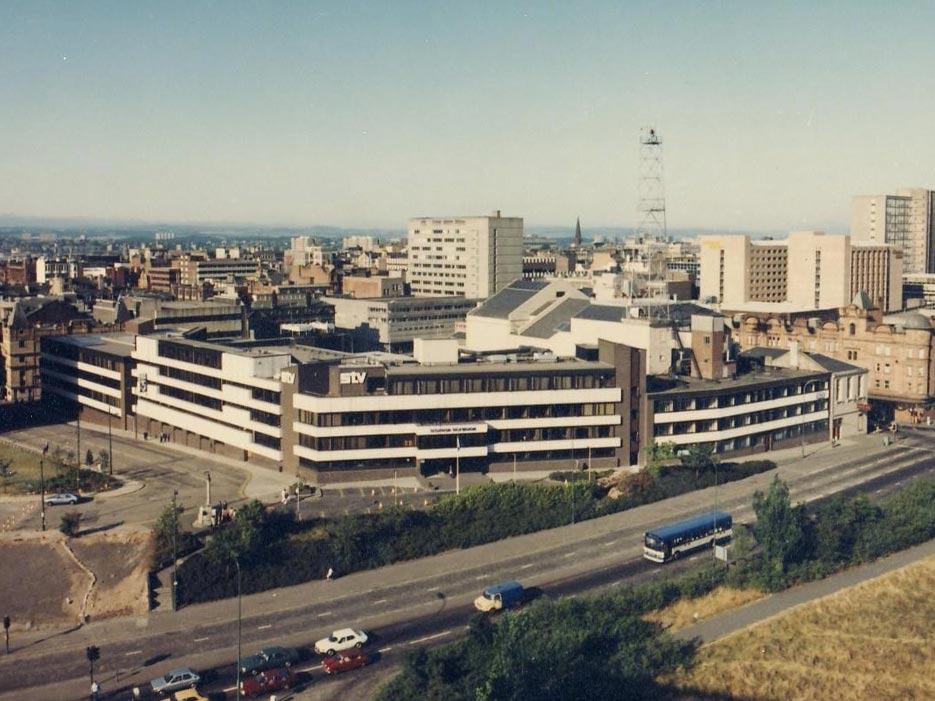
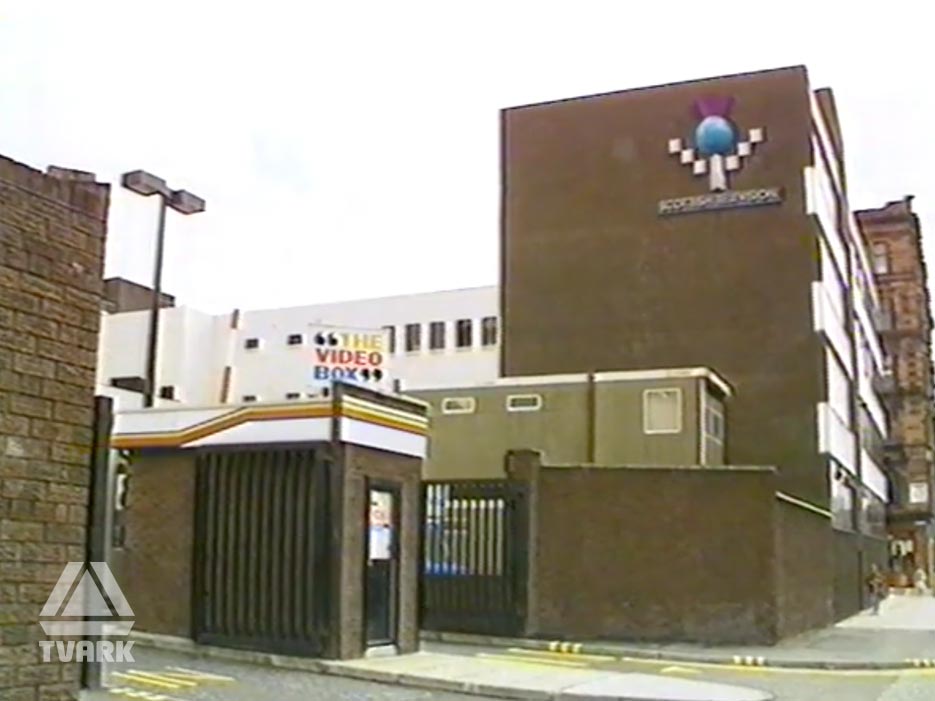
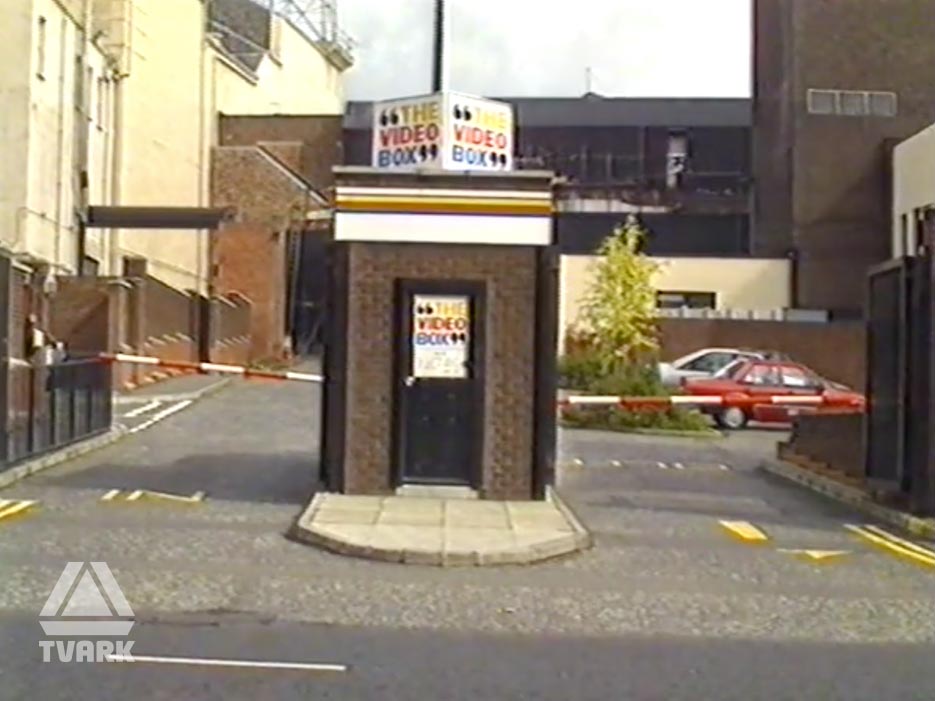
STV Group's headquarters in Glasgow are based at Pacific Quay, a development situated next to the River Clyde, in July 2006, alongside BBC Scotland's new studios and the Glasgow Science Centre.The bespoke building was developed for SMG by Pacific Quay Developments, a combined venture with the Duke of Westminister's property firm, Grosvenor, Miller and CTP. Architect and design firm Parr Partnership, which has worked on No 1 and No 2 Pacific Quay, design the building.
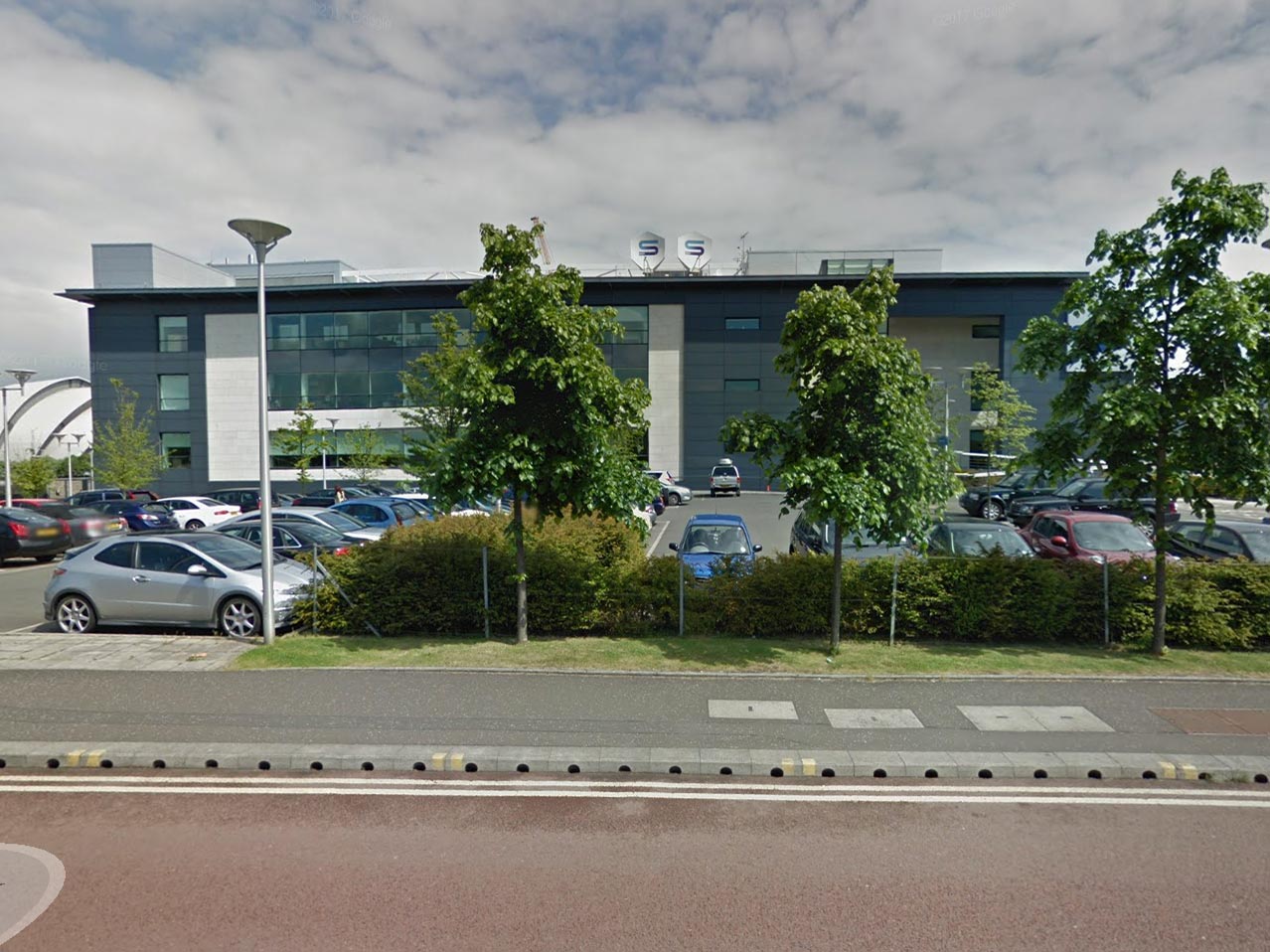
The studios to serve the eastern section of TVS’s transmission area were at Vinters Park near Maidstone in Kent. The site was originally acquired by Southern Television, which had commissioned a conceptual design for new studio facilities on the site. Following the award of the franchise to TVS, Southern Television sold the site to the new company at a premium. Construction commenced in early 1982 and the first studios at the centre became operational in mid-1983.
When TVS lost its ITV franchise the Southampton studios were sold to Meridian with a view to TVS becoming an independent production company. TVS, including the Maidstone Studios, was quickly bought by International Family Entertainment Inc. and the studios were used as an independent production facility. IFE subsequently launched a UK version of The Family Channel based in The Maidstone Studios, using some elements of the TVS programme archive. In 1996, the studio complex was sold by International Family Entertainment Inc. to Flextech when it acquired the remaining 61% of the UK Family Channel business. During 2002 the new owner of Flextech, Telewest Communications plc, overhauled the structure of the operations which resulted in the disposal of the studios.
The studios were bought in 2002 by a local consortium of businessmen under the name “Dovedale Associates” for £4.25m, headed by ex-BBC producer Geoff Miles. In 2005 a £2 million refurbishment programme took place, as part of “Dovedale Associates” business plans for the complex. A new Studio 5 (now known as Studio 1) was opened, which covers 12,000 square feet (1,100 m2) able to accommodate a 2,000-strong audience; it is now their flagship HD studio. During its time the complex had five studios, including a American Diner, but now only opearte its two largest studios, mothballing the others.
New, it's not
Quality: HQ
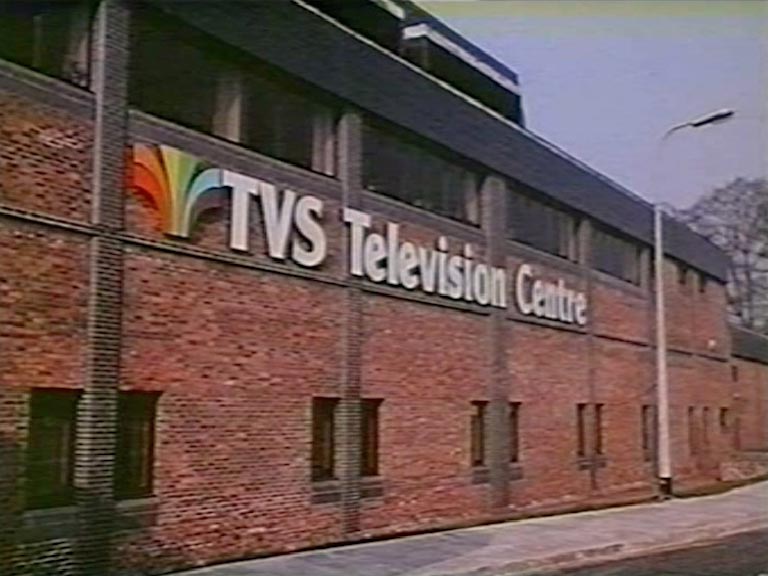
When TSW won the ITV franchise, the company purchased Westward’s studio facilities at Derry’s Cross, Plymouth along with all the staff. The studios, which had suffered from a lack of investment under Westward, were completely refurbished with a £4 million investment programme which saw the introduction of new production equipment and an additional studio being constructed. The refurbishment was completed two years later.
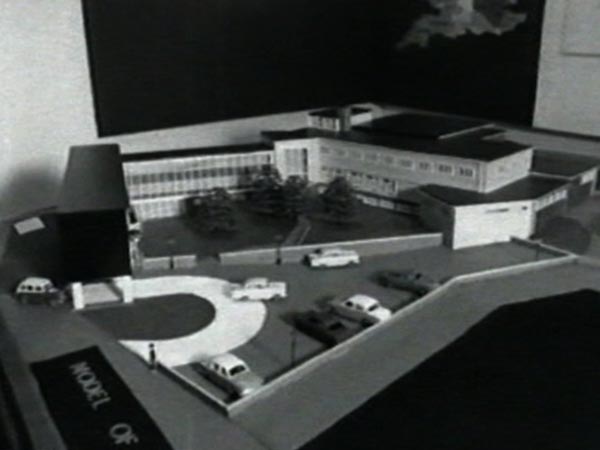
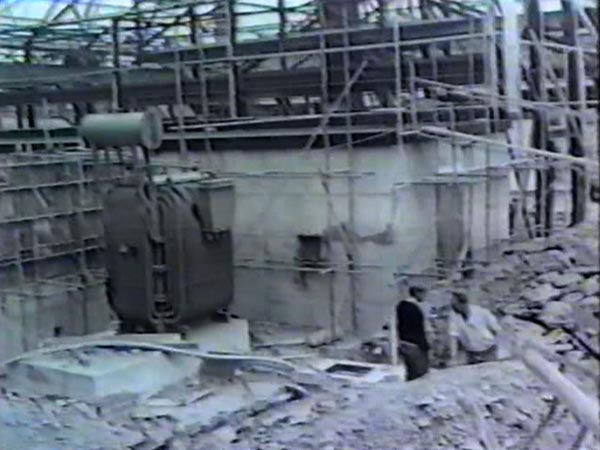
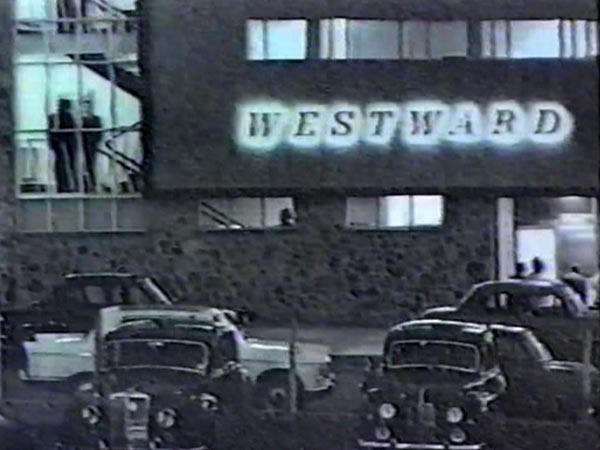
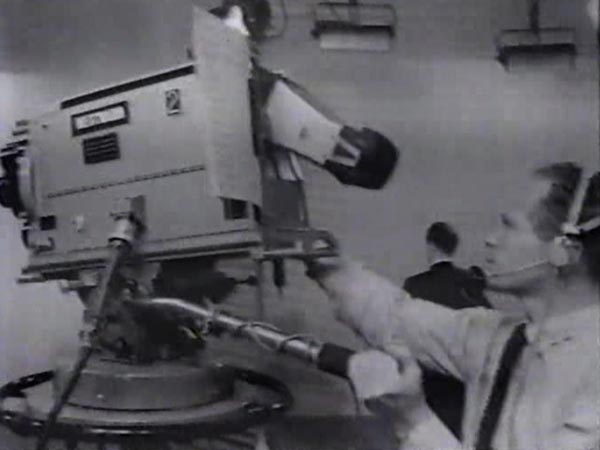
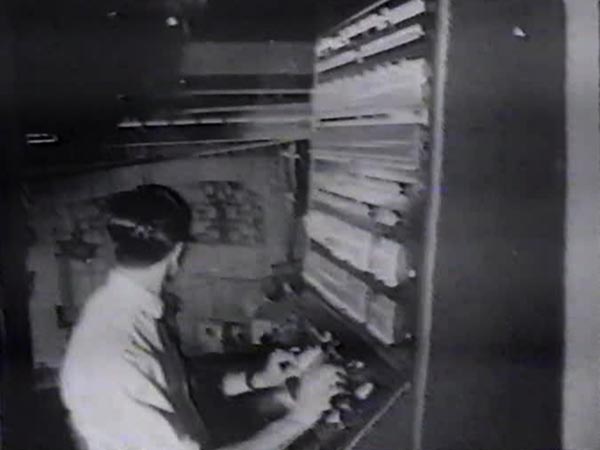
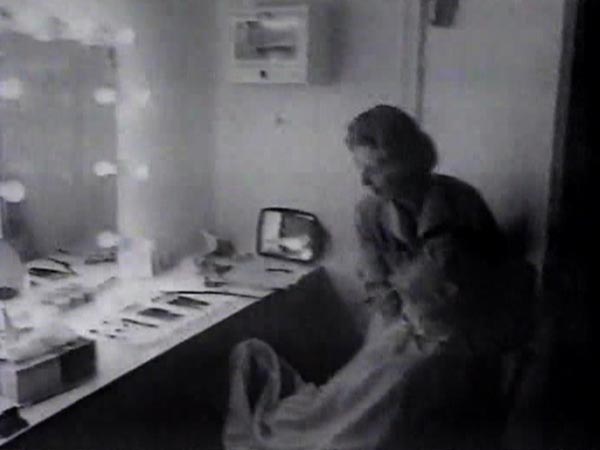
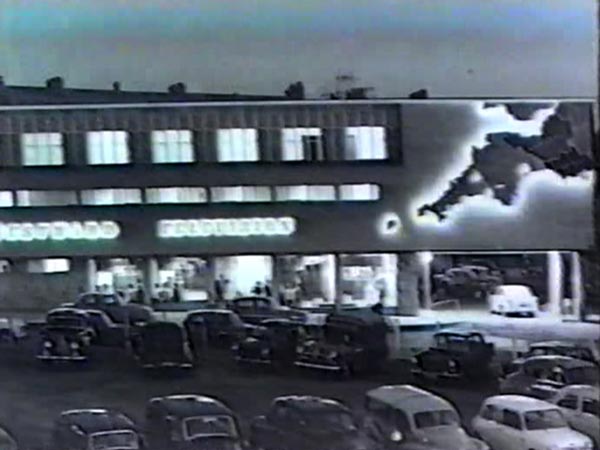
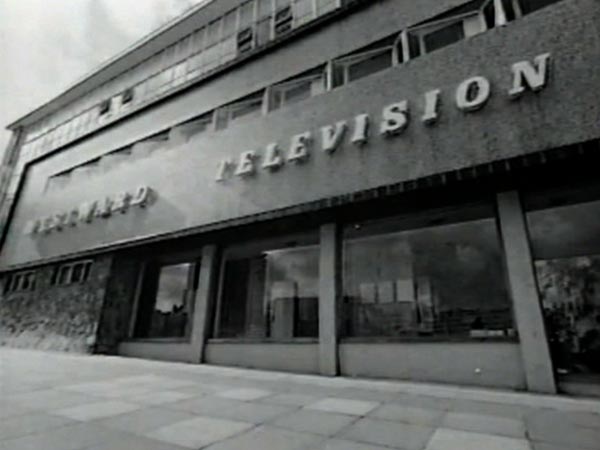
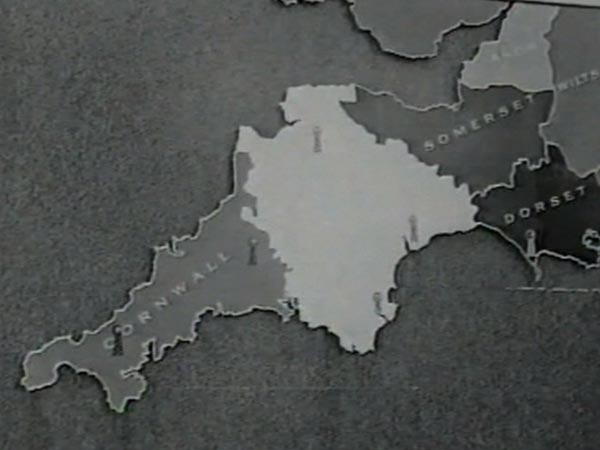
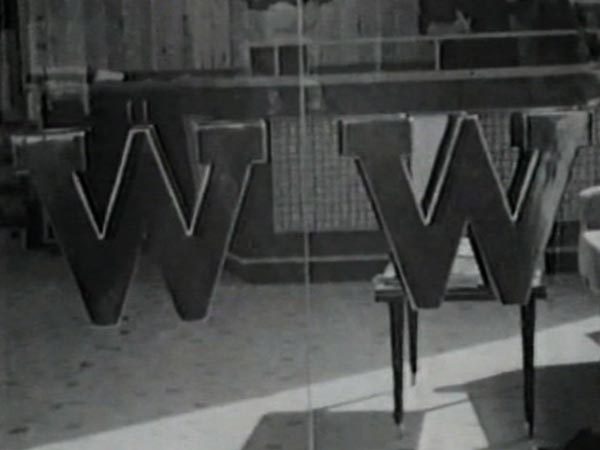
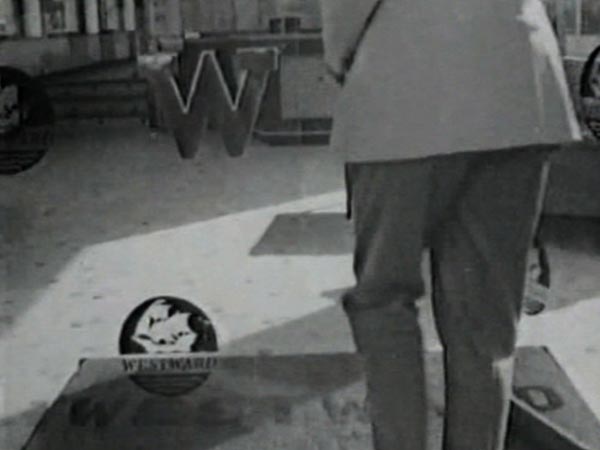
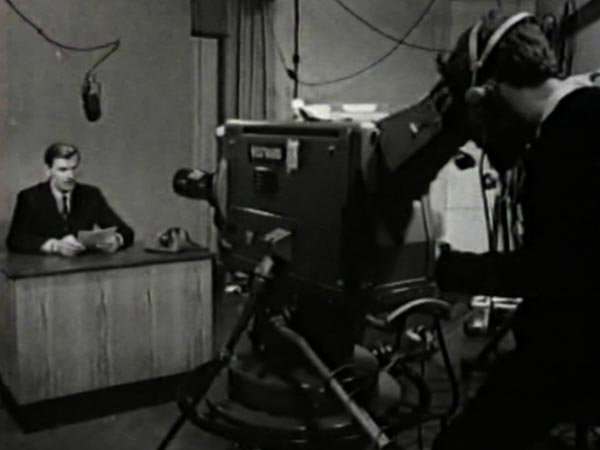
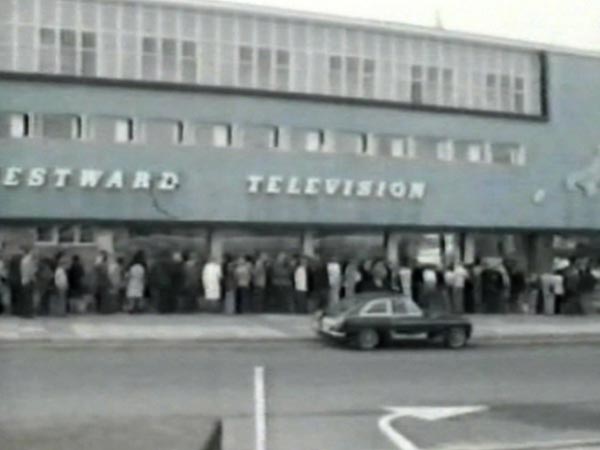
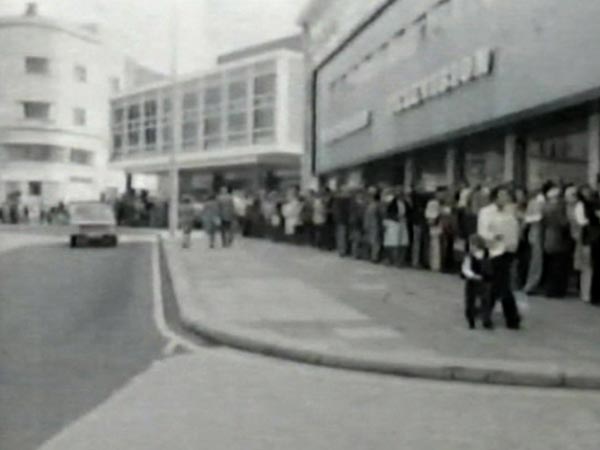
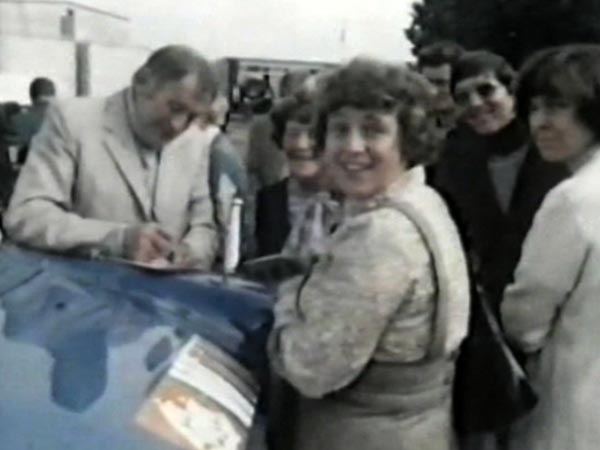
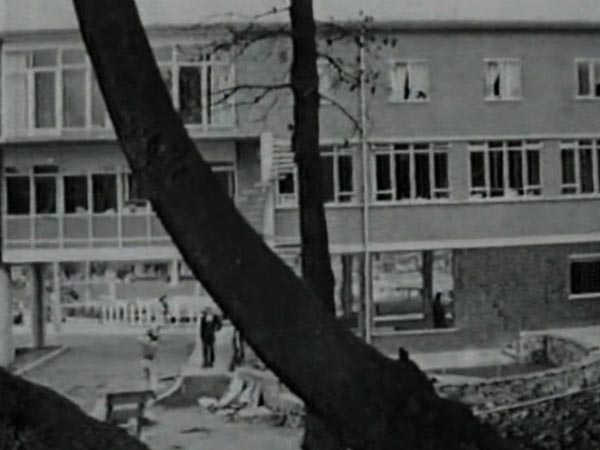
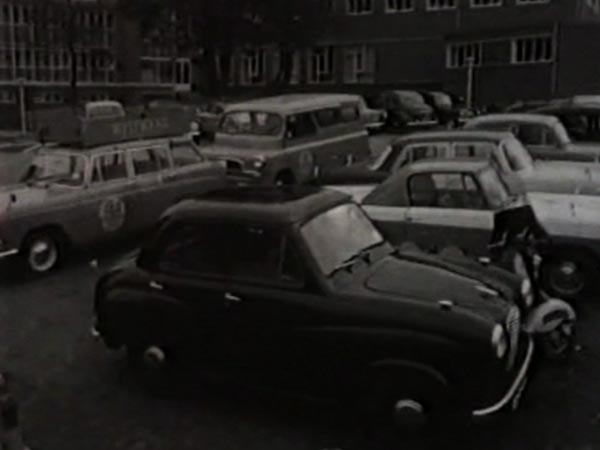
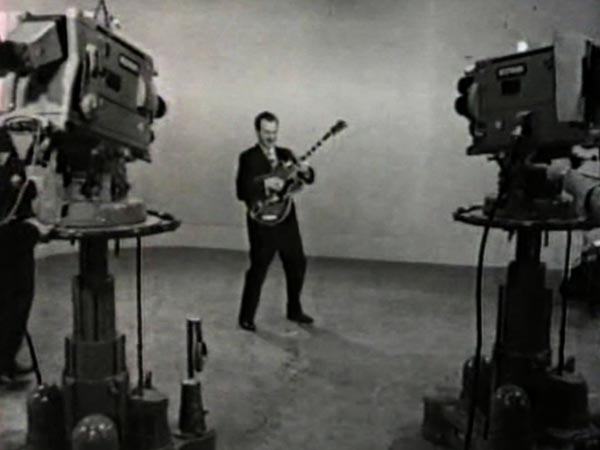
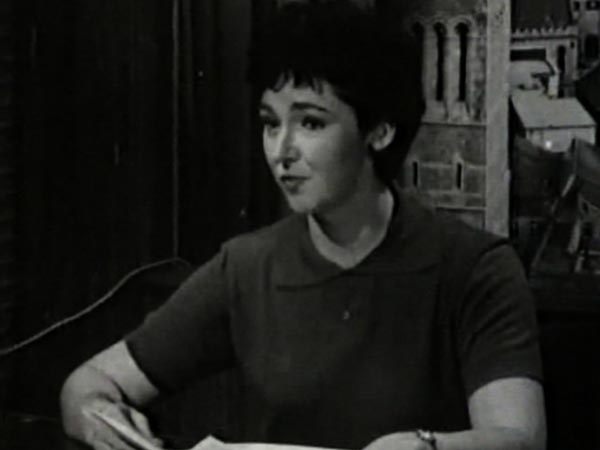
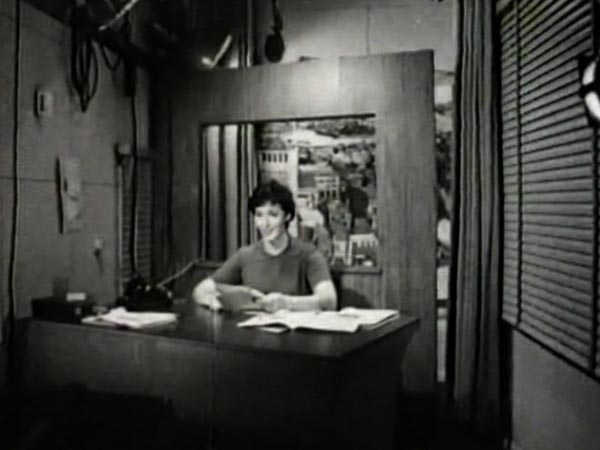
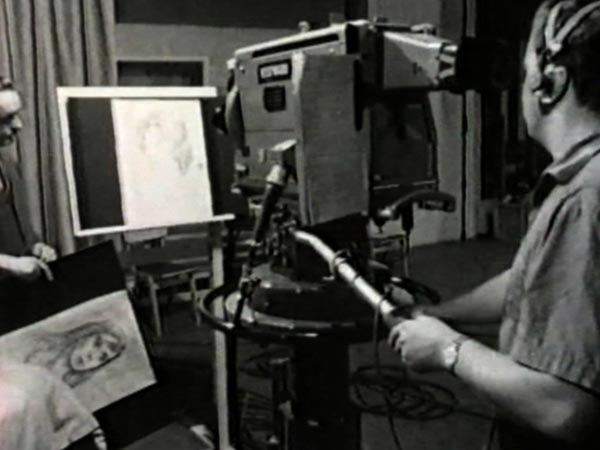
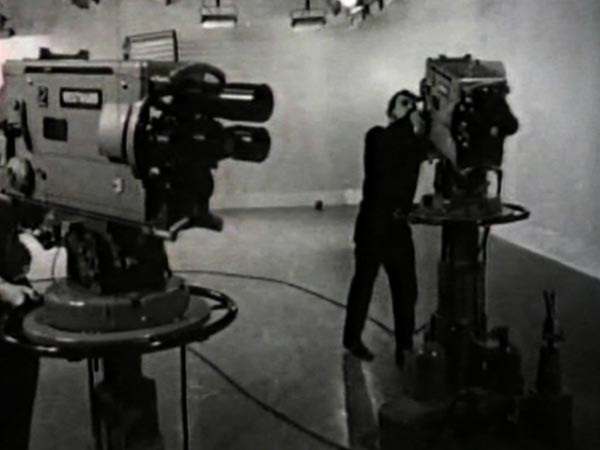
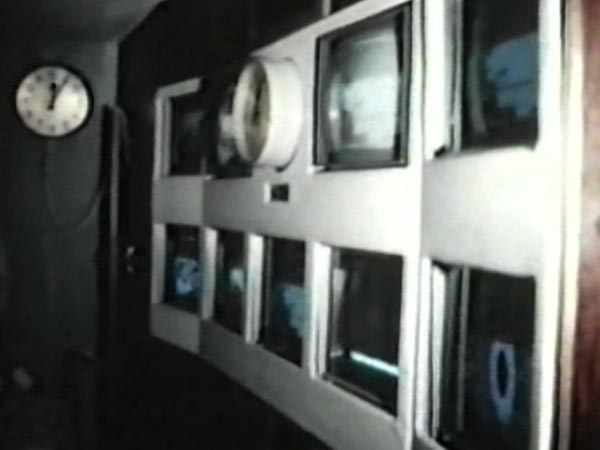

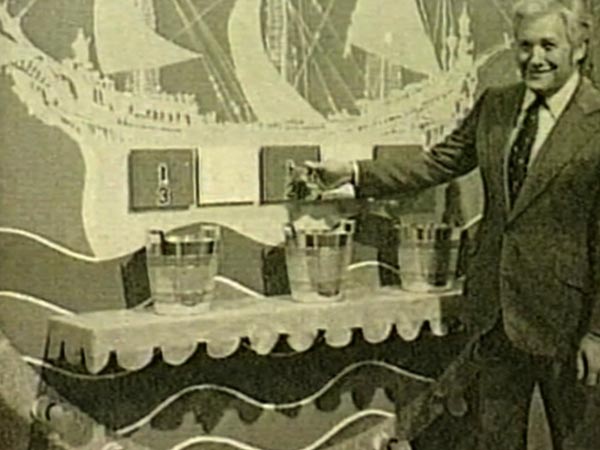
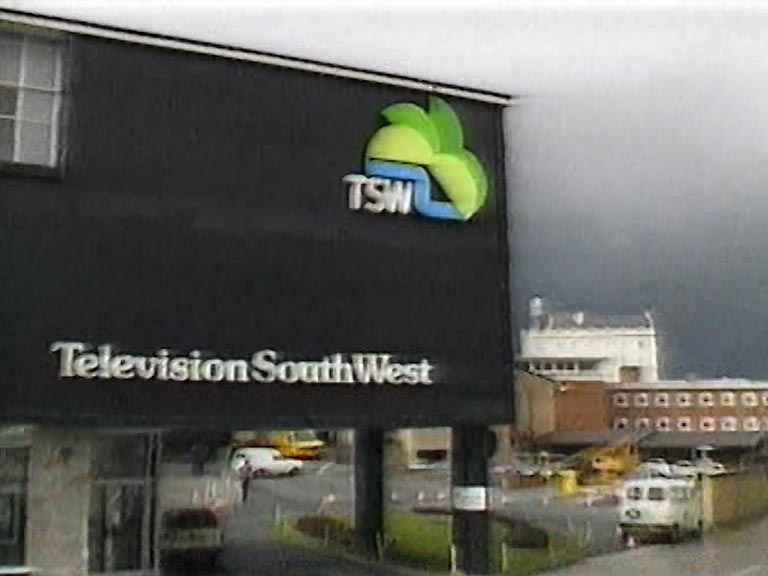
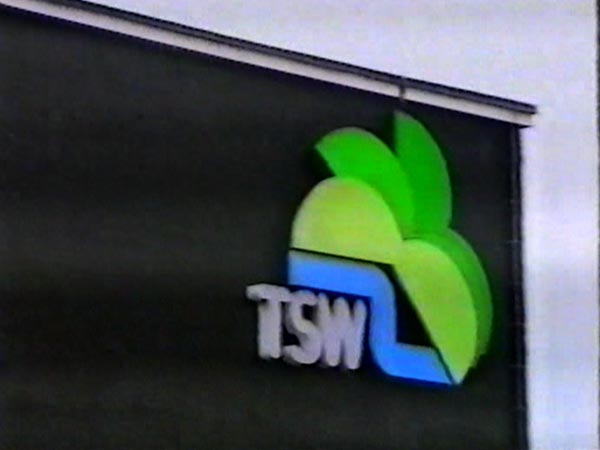
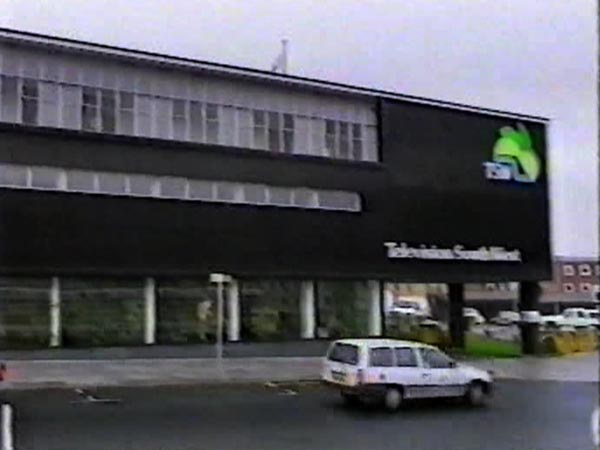
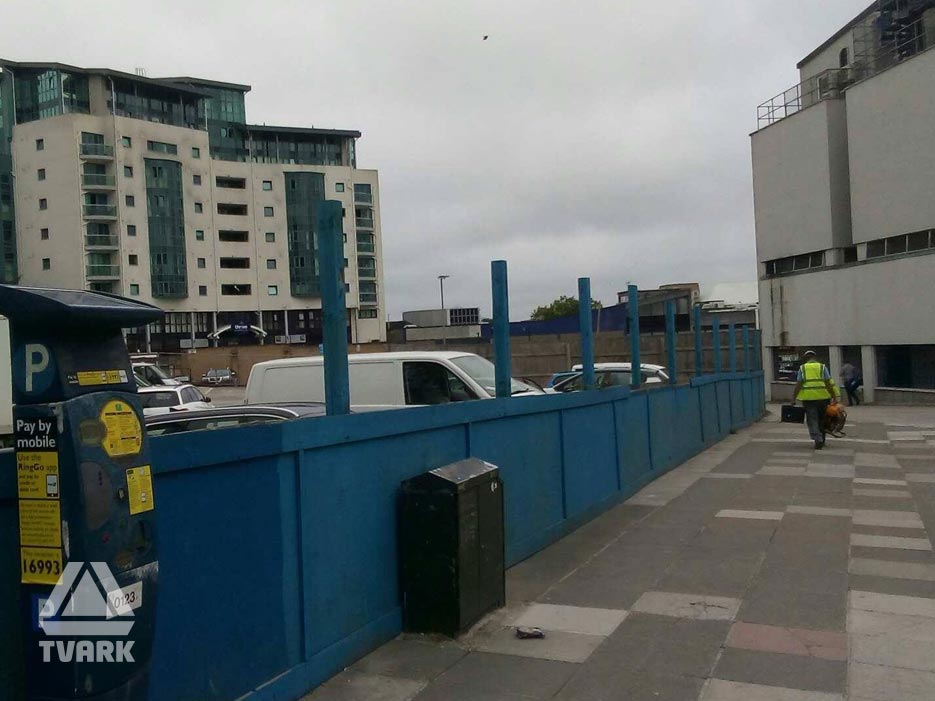
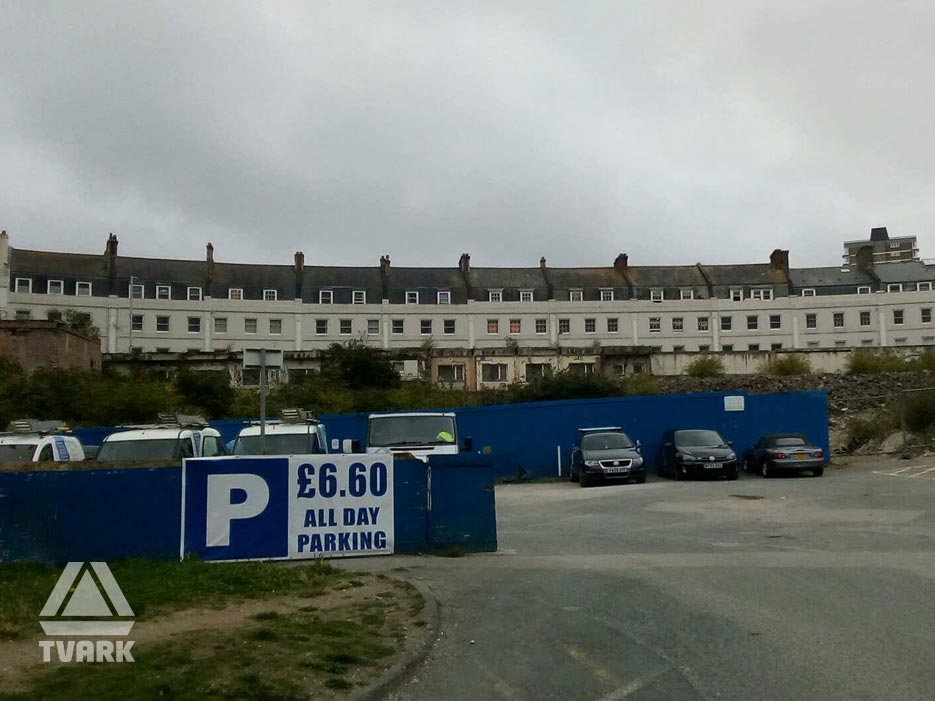
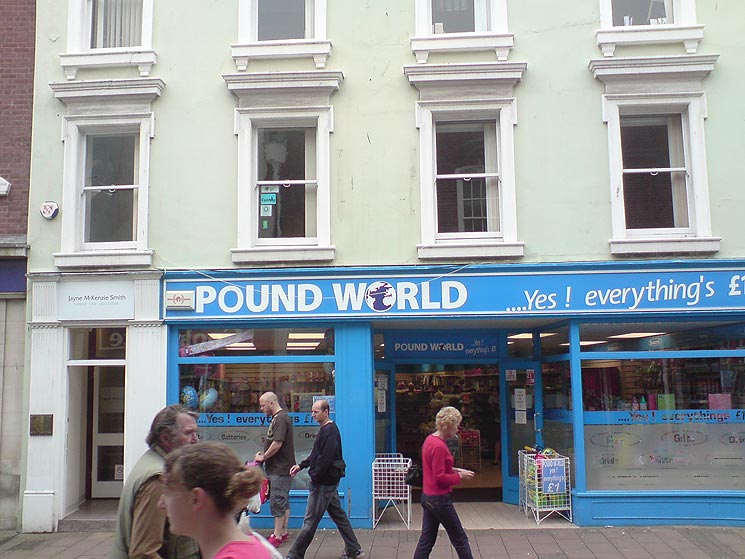
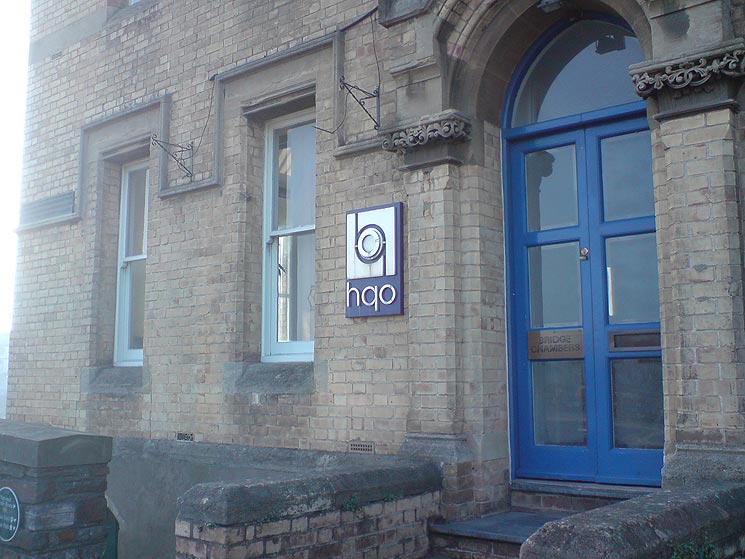
The two images below show TSW’s old offices in Barnstaple. Their first building, on the second floor along Barnstaple High Street.
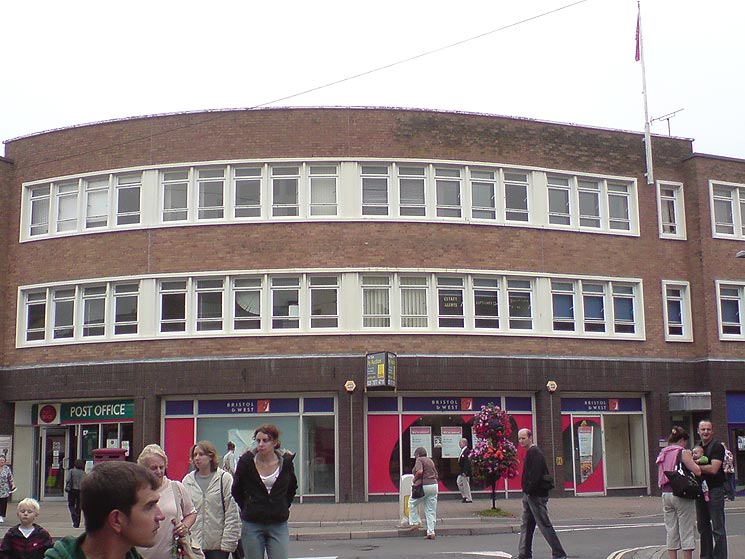
The image below shows the building where Westward had their office in Barnstaple – Bristol & West House (second floor)
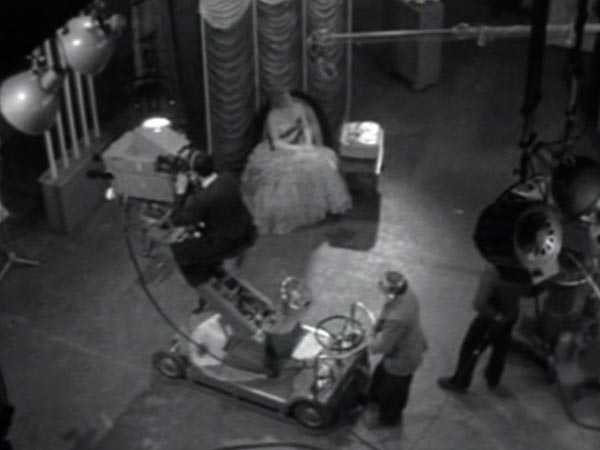
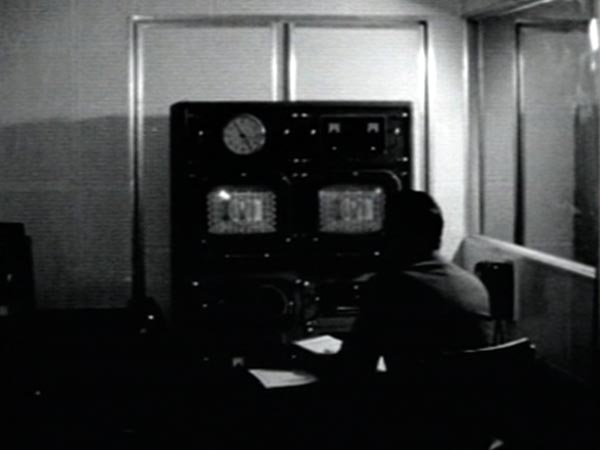
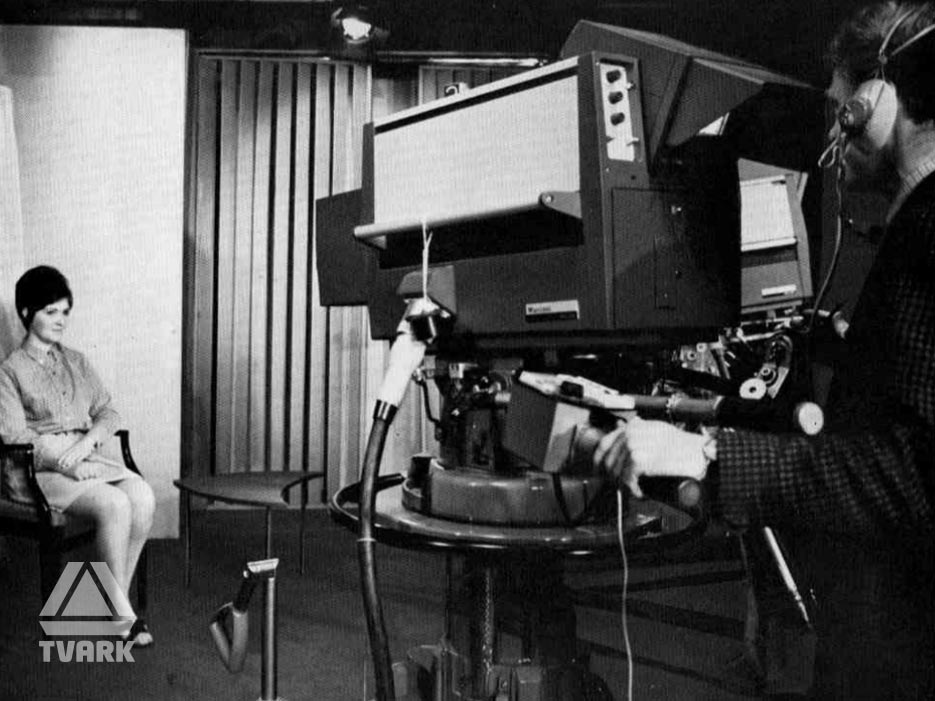
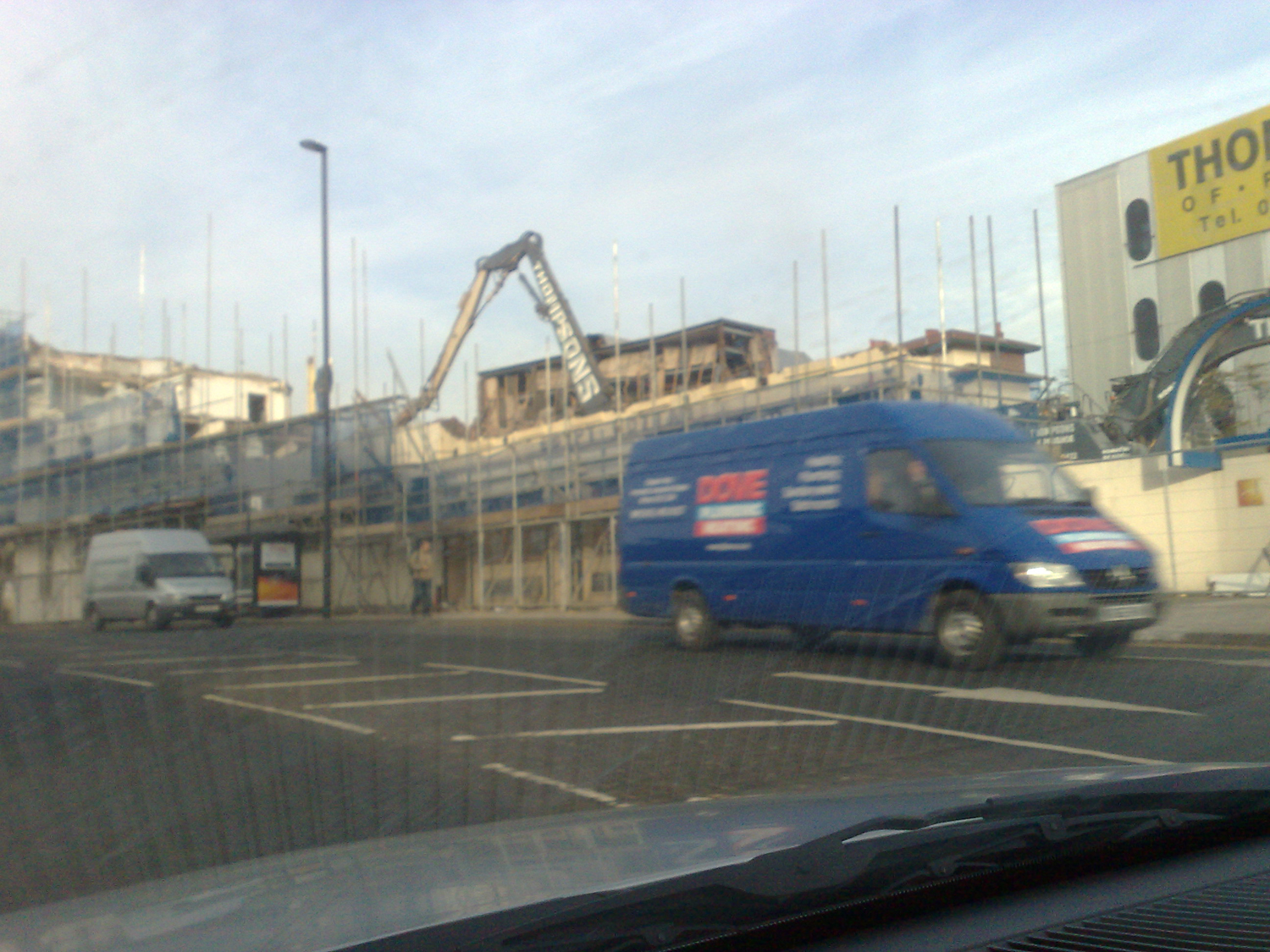
Tyne Tees’s original studios were located on City Road, Newcastle upon Tyne and were converted from two furniture warehouses purchased by the company. These new studios formed the basis of Tyne Tees operations and featured the company offices. The location was deliberately chosen because of its proximity to the telephone exchange in Carliol Square. Television signals were relayed by land-line from the studios to the switching centre; a distance between the studios and the exchange greater than 1 mile (1.6 km) would have significantly increased the cost of receiving the networked programmes from the other ITV stations.The complex initially contained four studios, with a fifth built in 1981 to accommodate productions for Channel 4. Two nearby pubs, The Egypt Cottage and Rose & Crown, became affectionately known as Studio 5 because of the amount of time that the station’s staff spent in them!
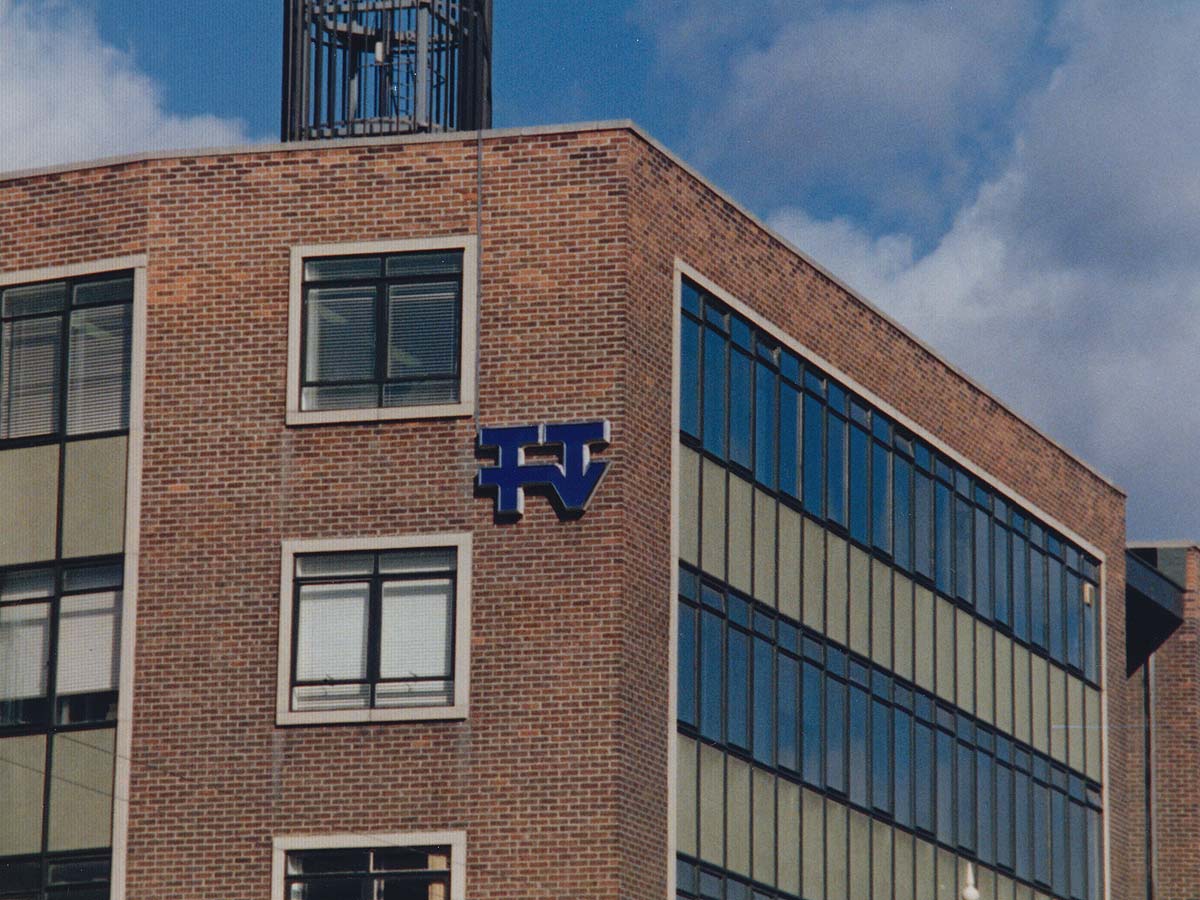
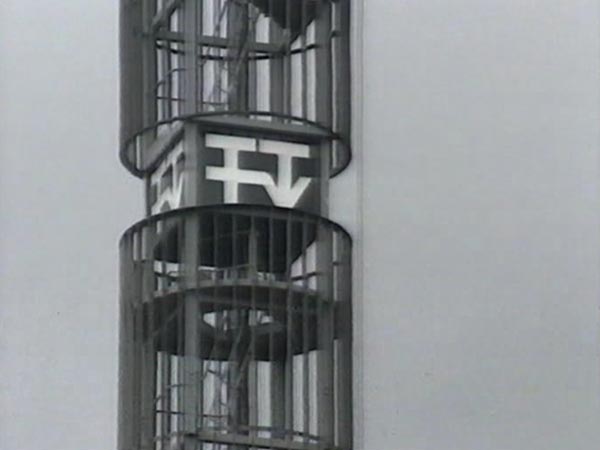
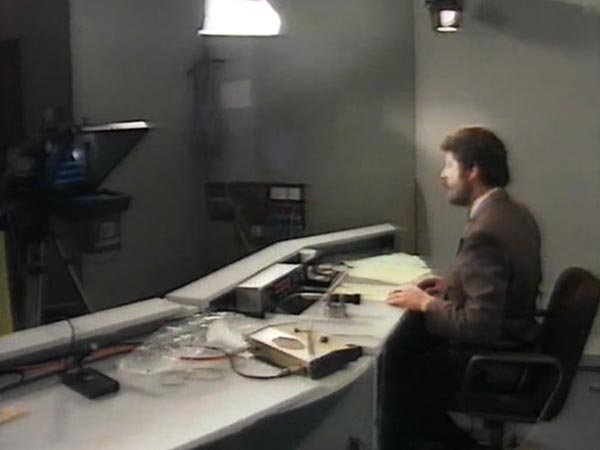
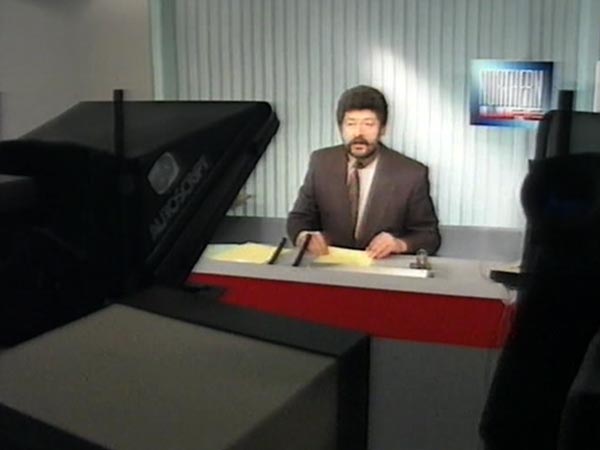
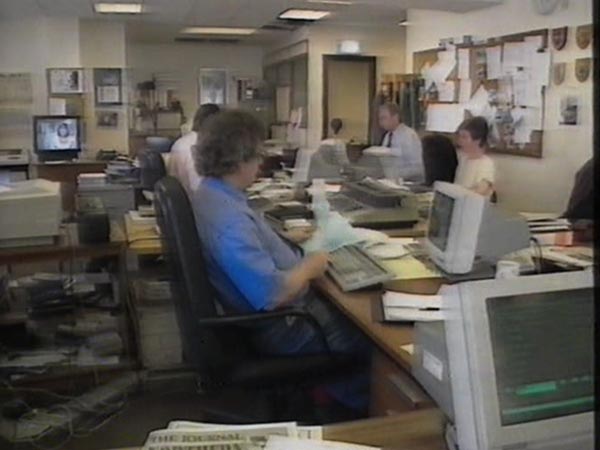
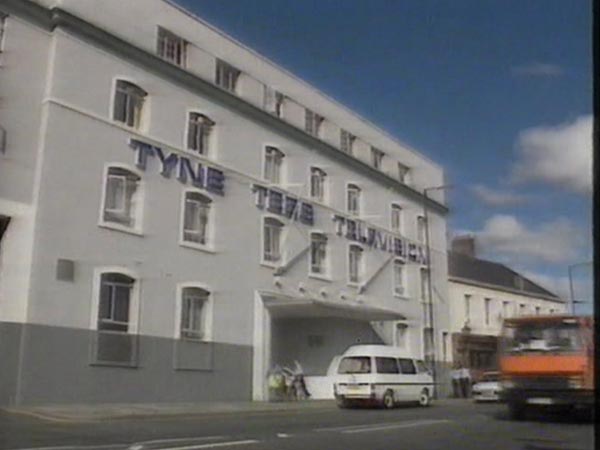
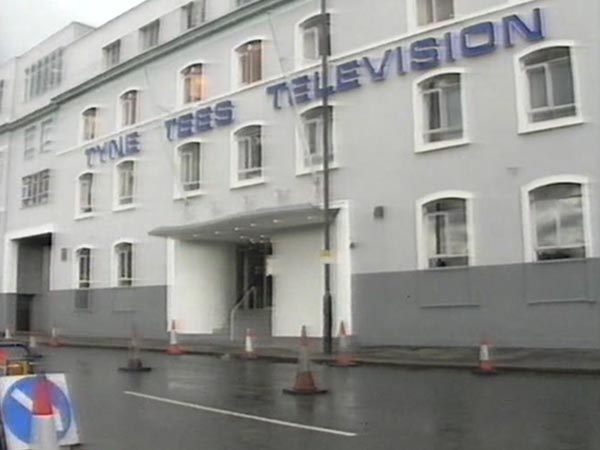
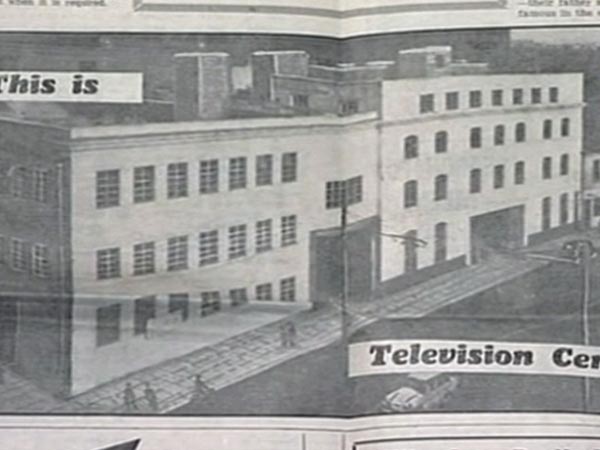
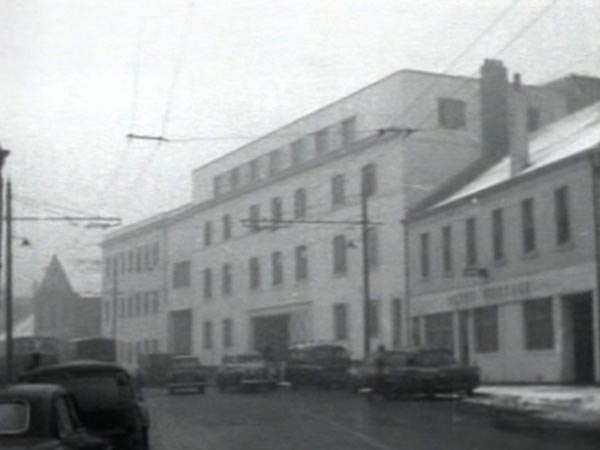
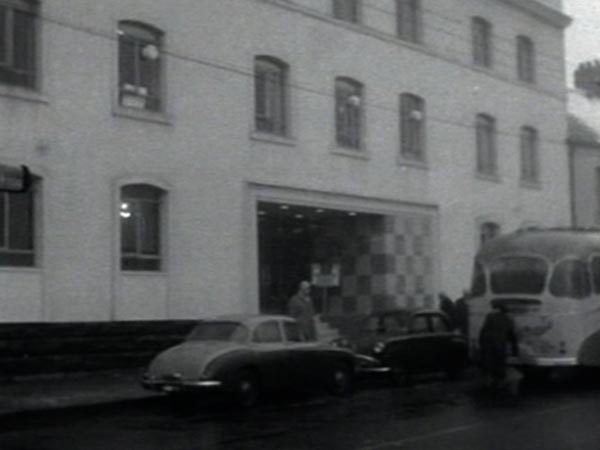
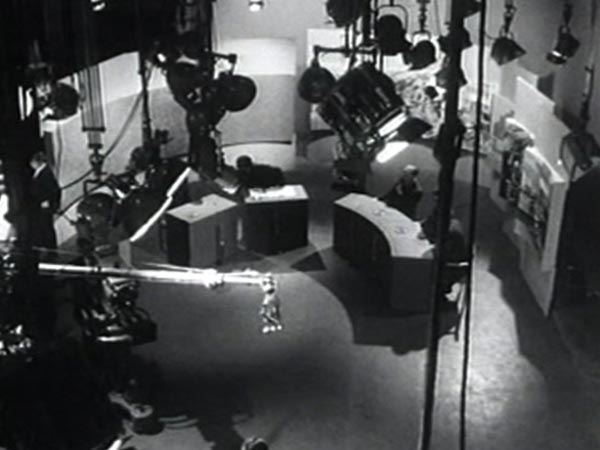
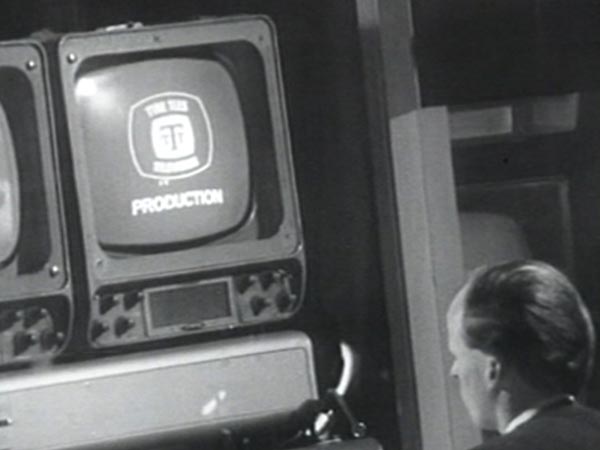
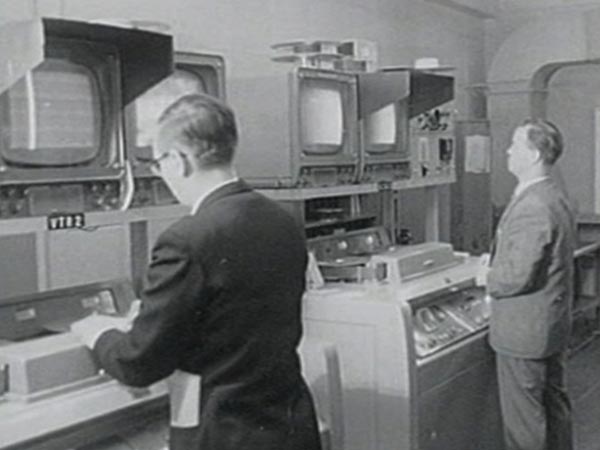
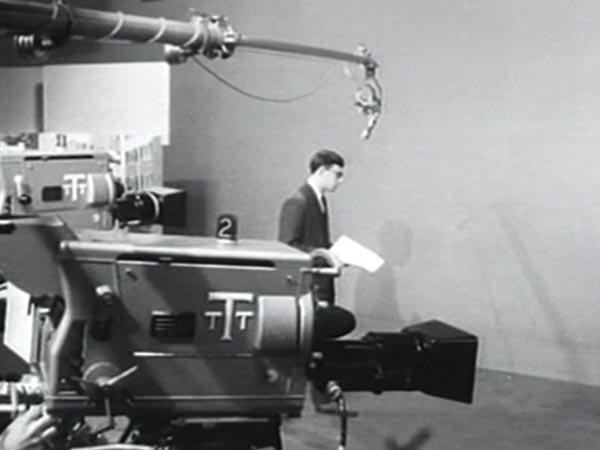
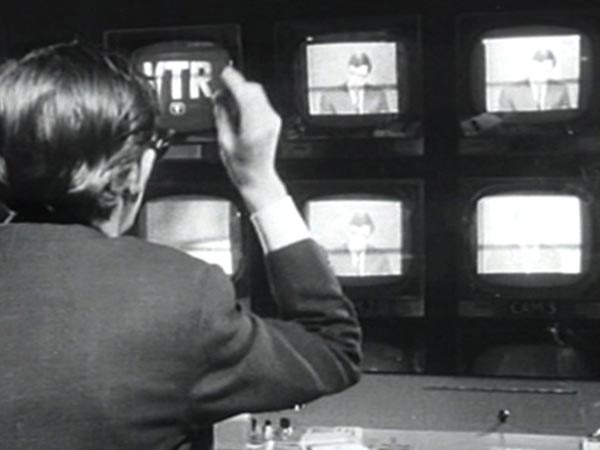
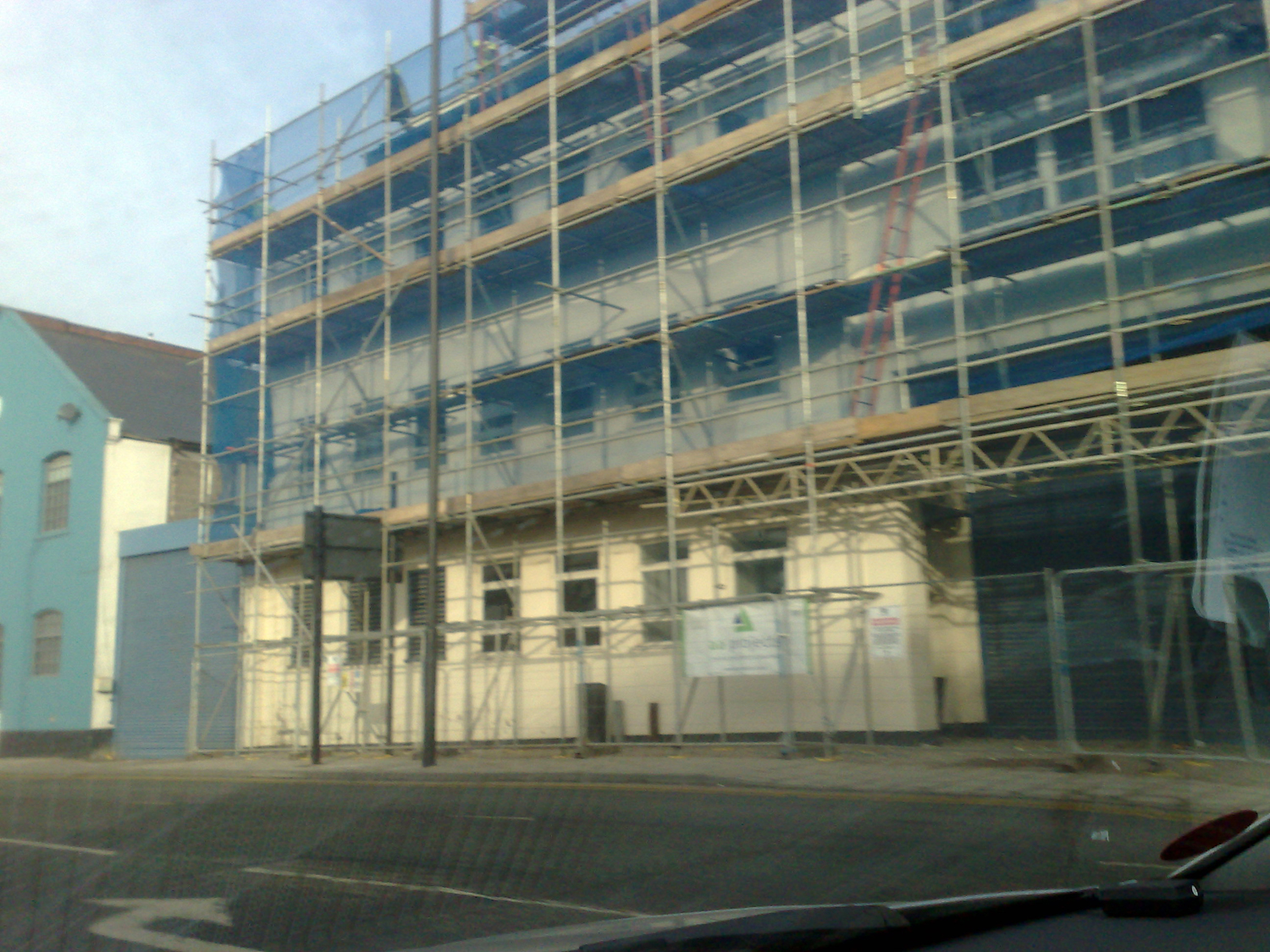
Tyne Tees moved to Television House at The Watermark, a new business park adjacent to the MetroCentre in Gateshead, in 2005. The first broadcast from their new base took place on 2 July 2005.
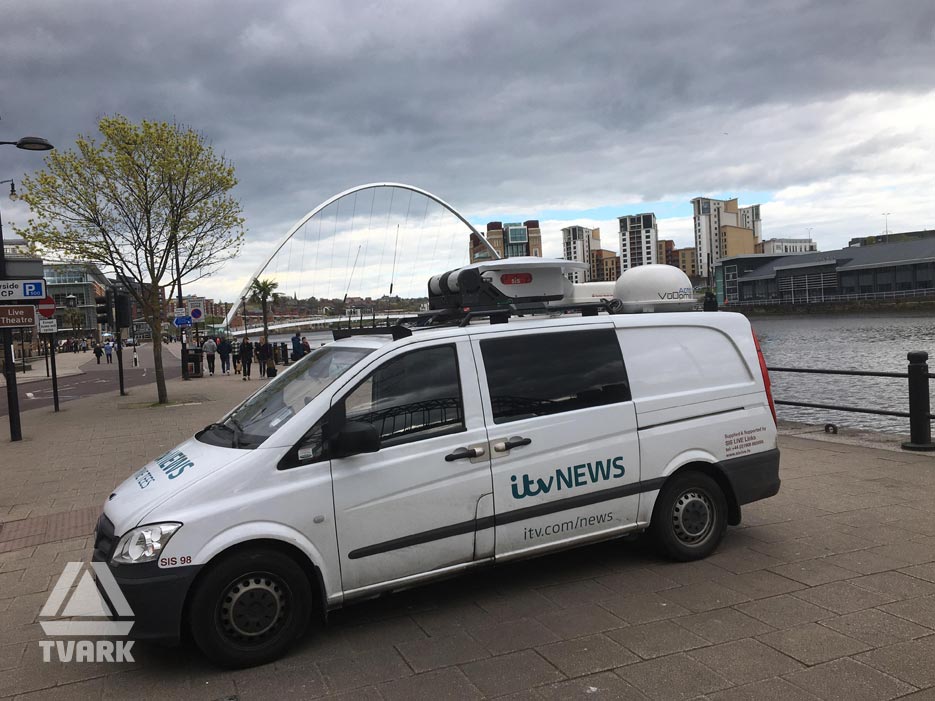

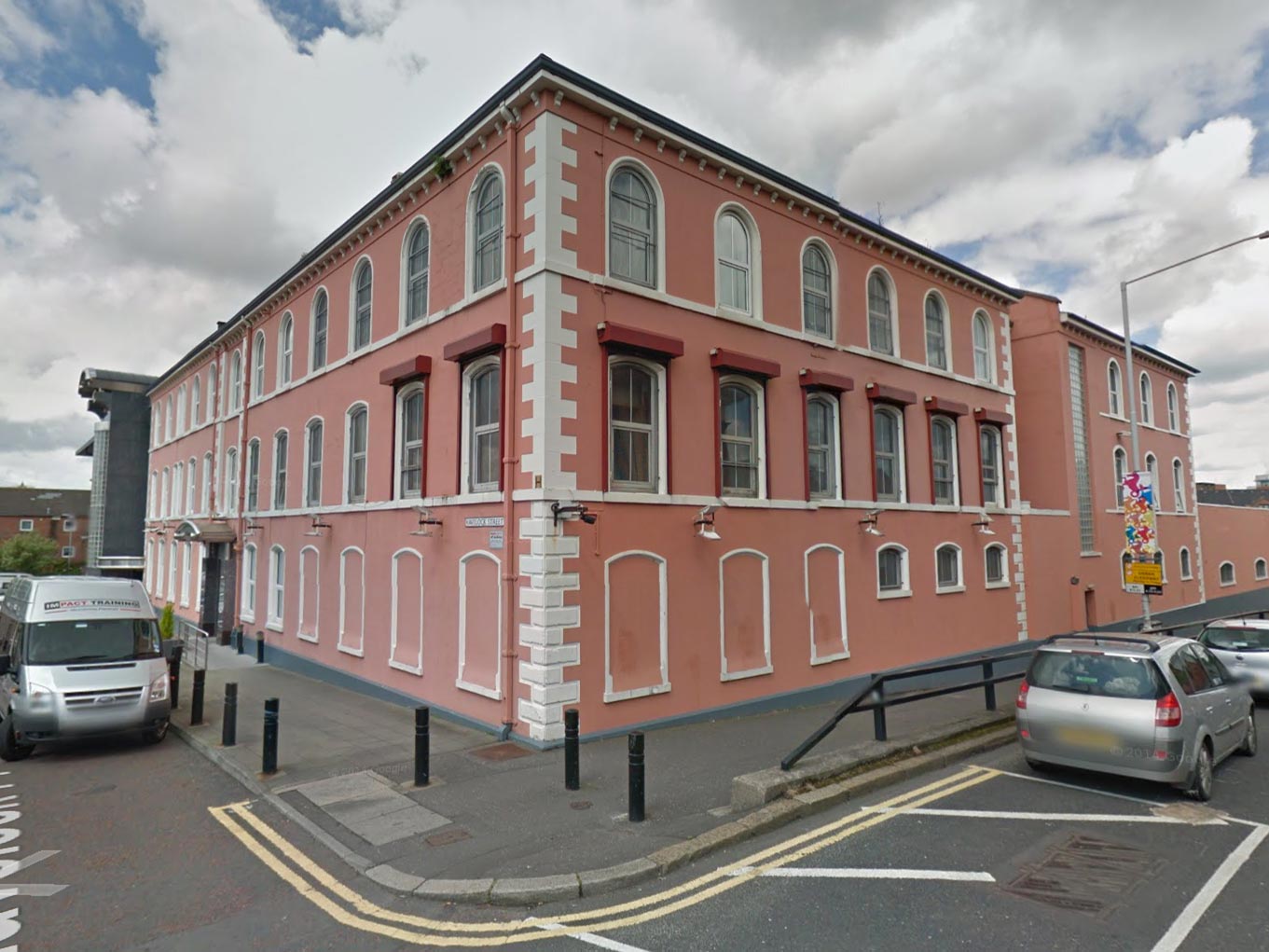
Before the building was converted into a television studio complex, Havelock House was the former site of a hemstitching warehouse. During World War II, the building was the billet for troops to provide cover for Belfast's bridges. Ulster Television acquired the premises at the cost of £17,000.Initially, the building contained one studio. A second studio was opened in the building in 1962. Construction of an extension to Havelock House began in 1992 in preparation for the station's new franchise period and its upcoming rebranding. The extension was opened on 4 June 1993, the day the station rebranded itself from Ulster Television to UTV, and the official opening of the extension was performed by former UTV newsreader, Gloria Hunniford.
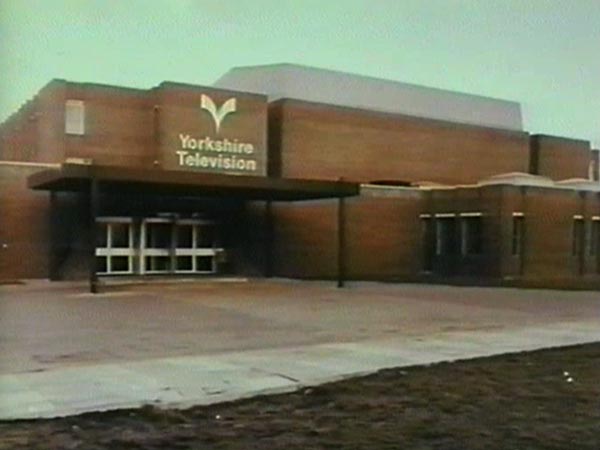
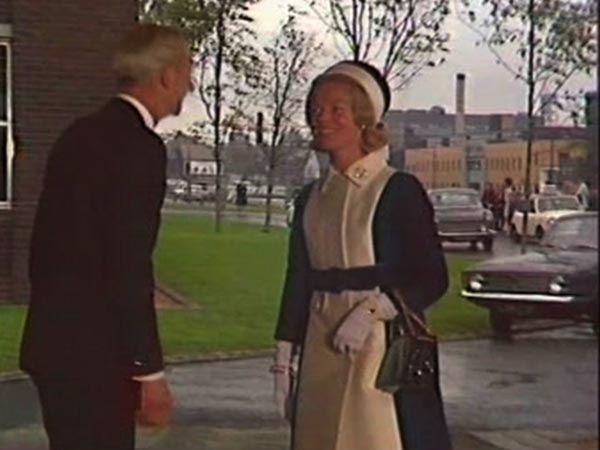
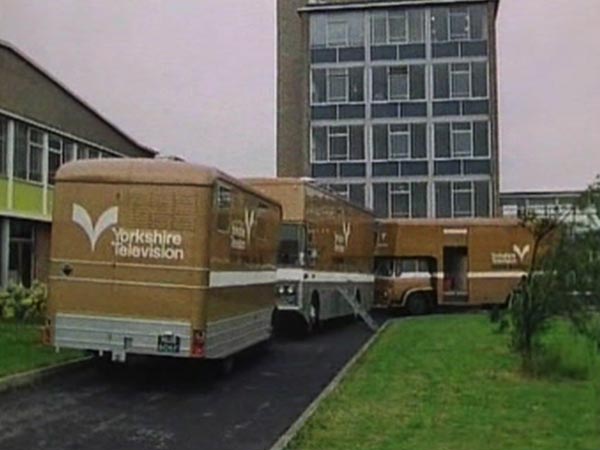
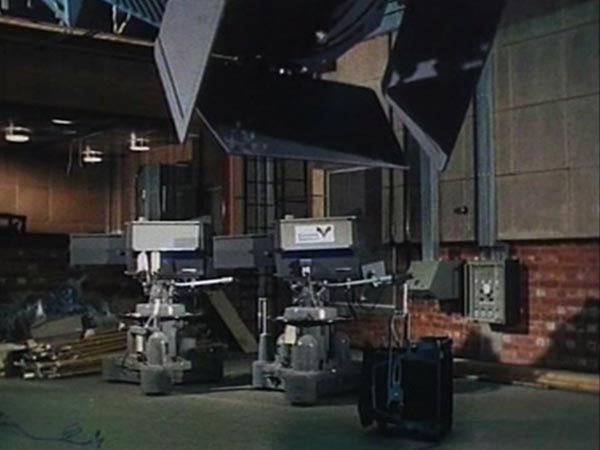
The studio was officially opened by The Duchess of Kent on 29 July 1968. It was the first purpose-built colour television production centre in Europe and cost over £4 million to build and equip (2008 equivalent: £50 million). Equipment was installed by EMI Electronics and the Marconi Corporation. The studios contained seven 2″ Quadruplex VTR machines, six telecines and twelve cameras. The cameras were a mixture of Marconi MkVII’s (studios 1, 2 and 3) and EMI 2001 models (studio 4).
New, it's not
Quality: ST
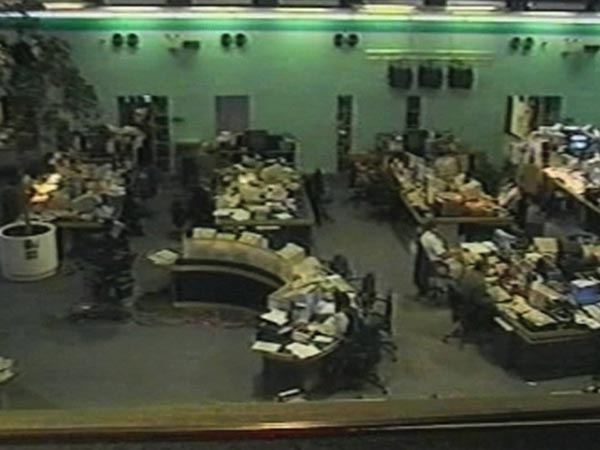
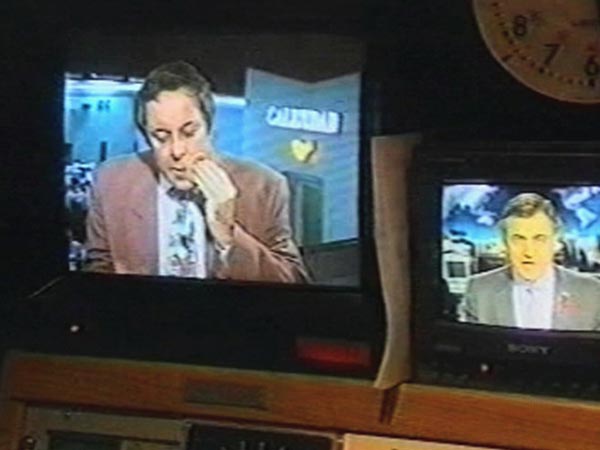
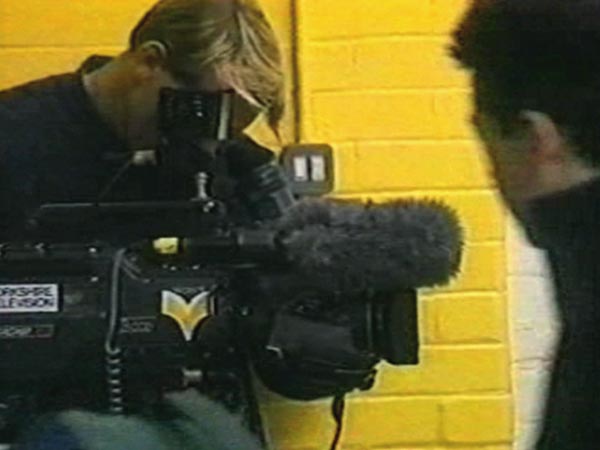
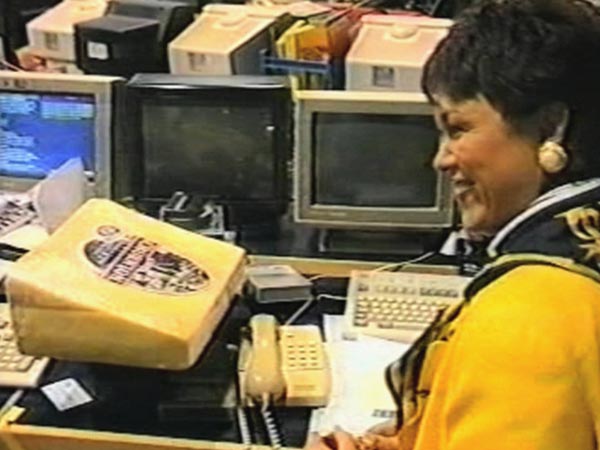
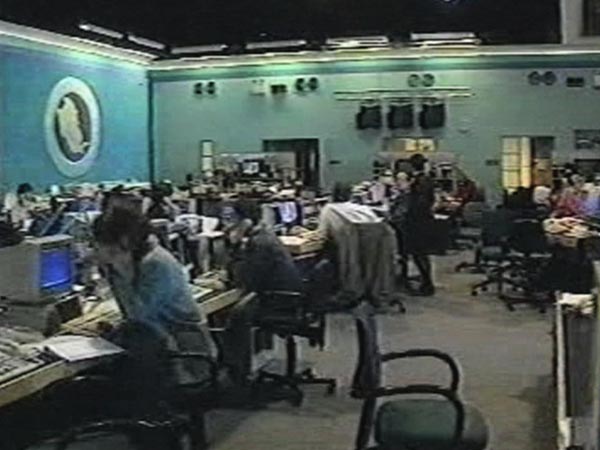
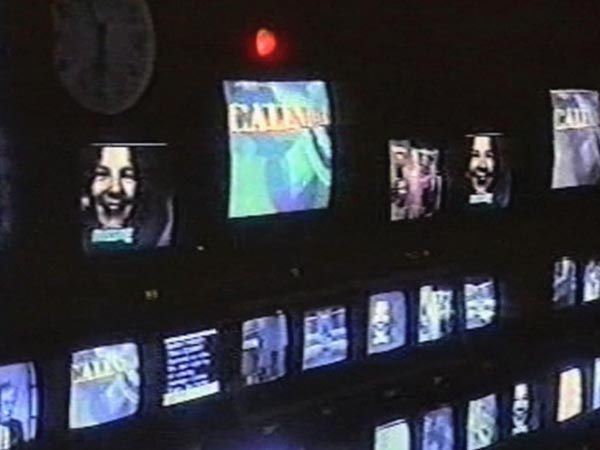
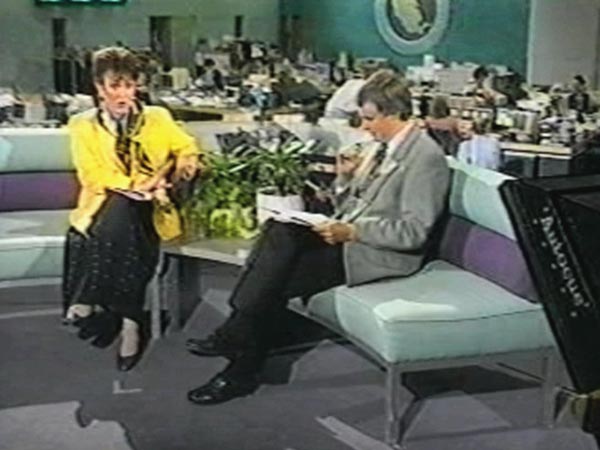
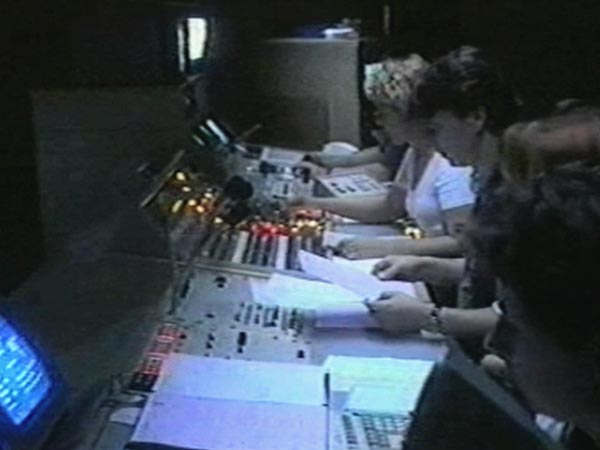
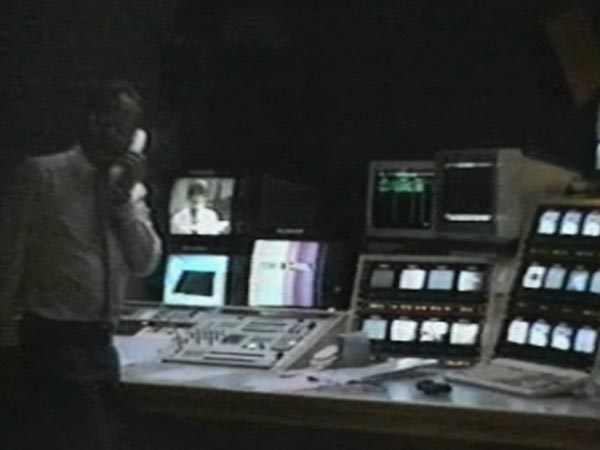
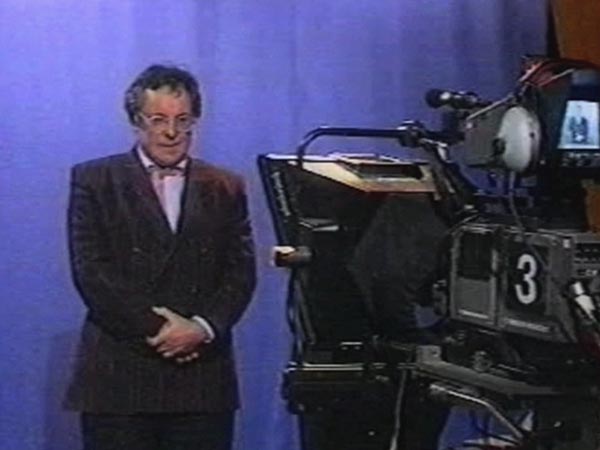
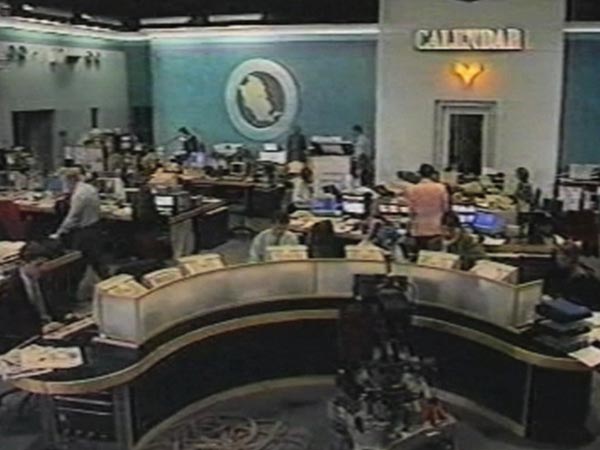
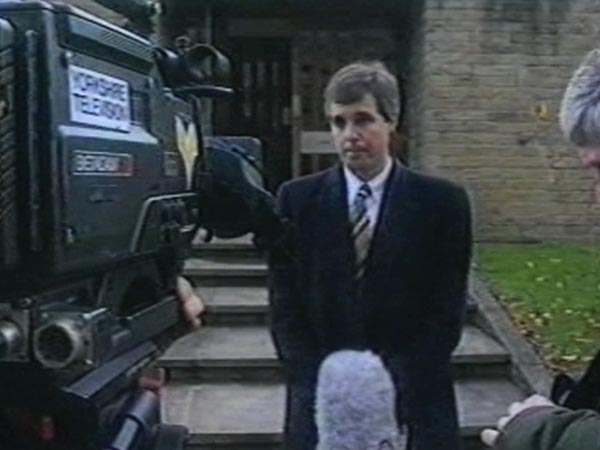
![YTV]](https://tvark.org/media/1998i/itvyorkshire/yorkshire_images/gallery/ytv_doc_2.jpg)
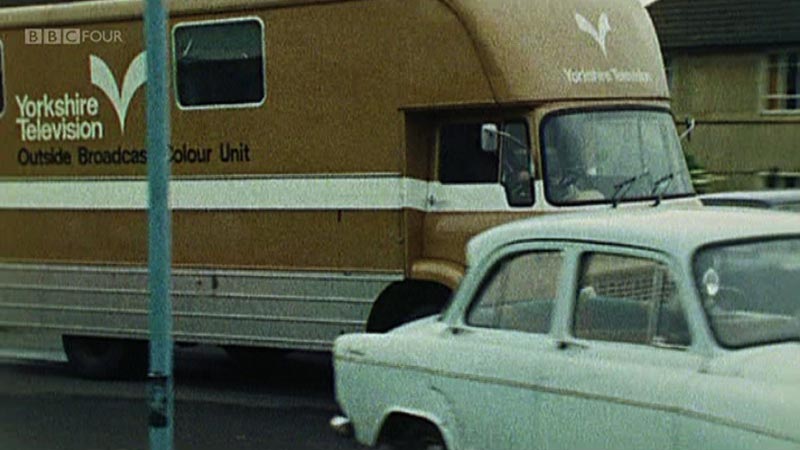
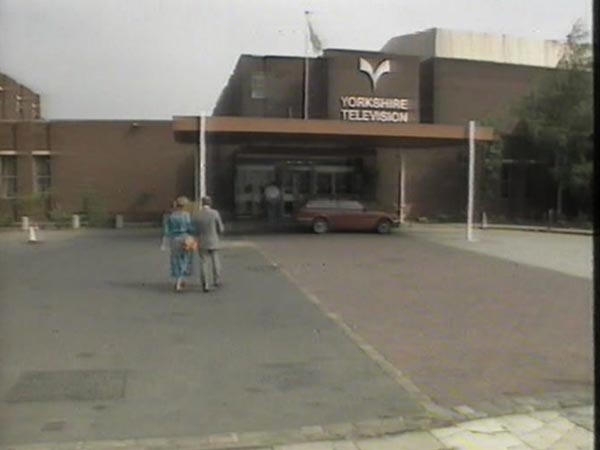
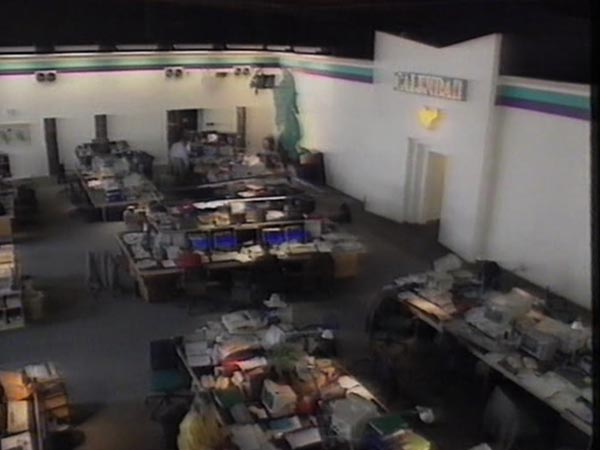
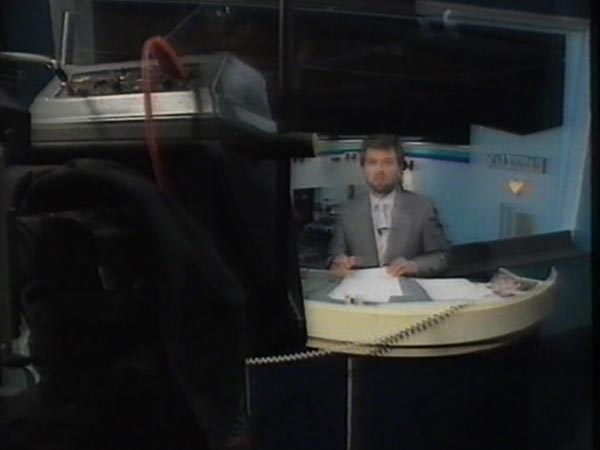
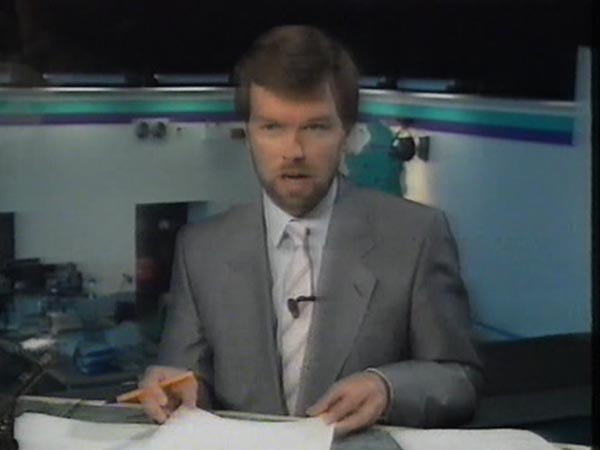
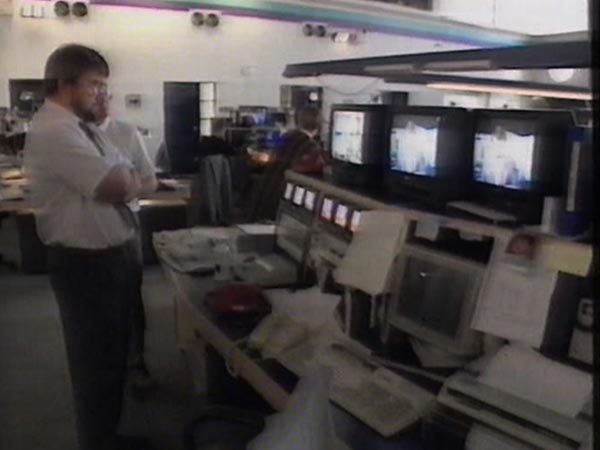
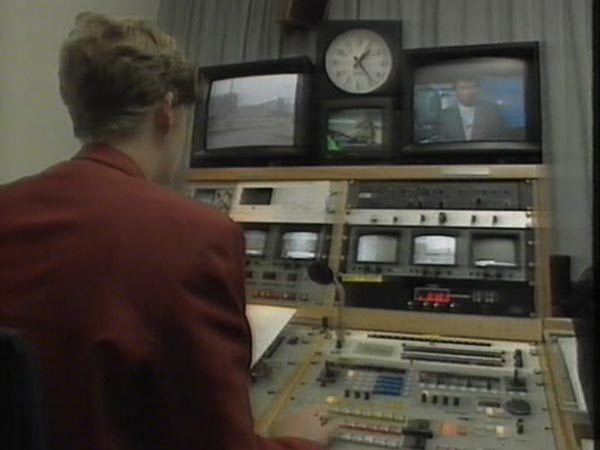
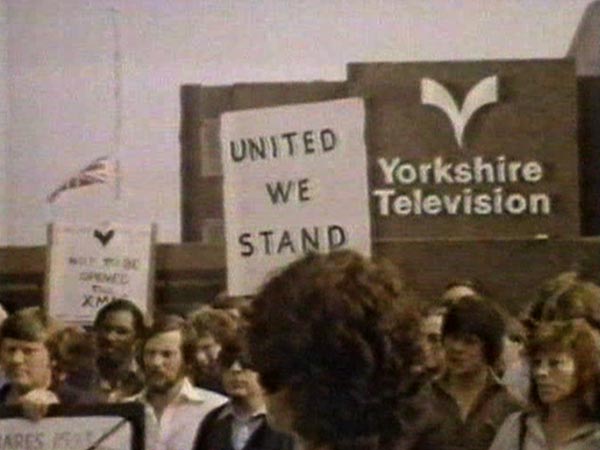
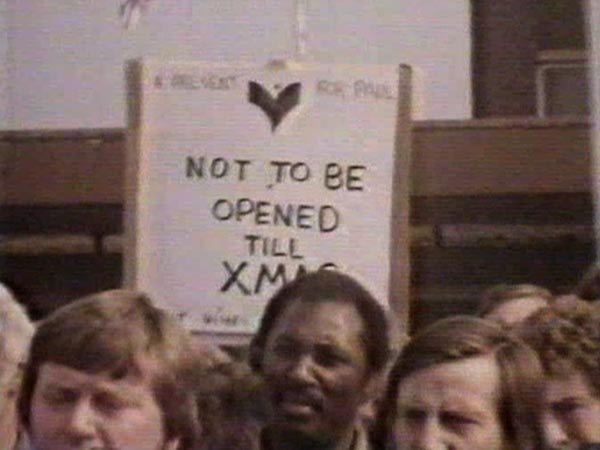
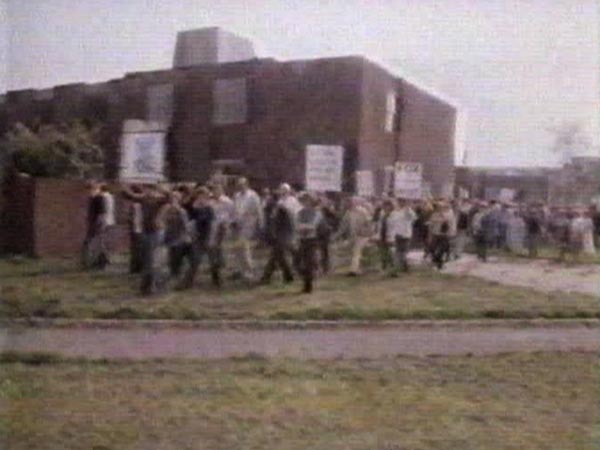
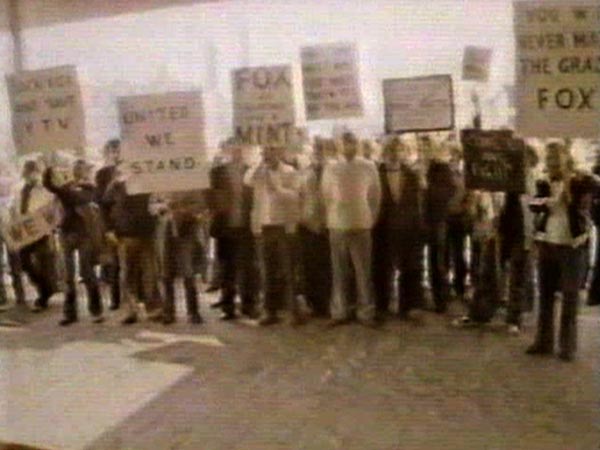
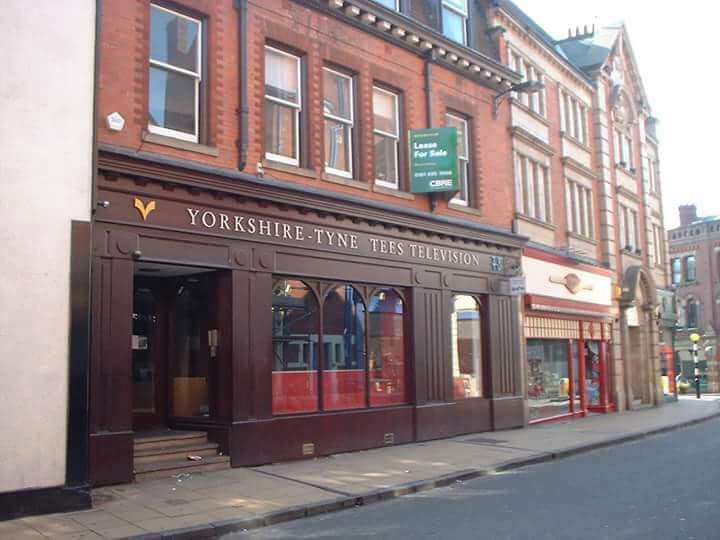
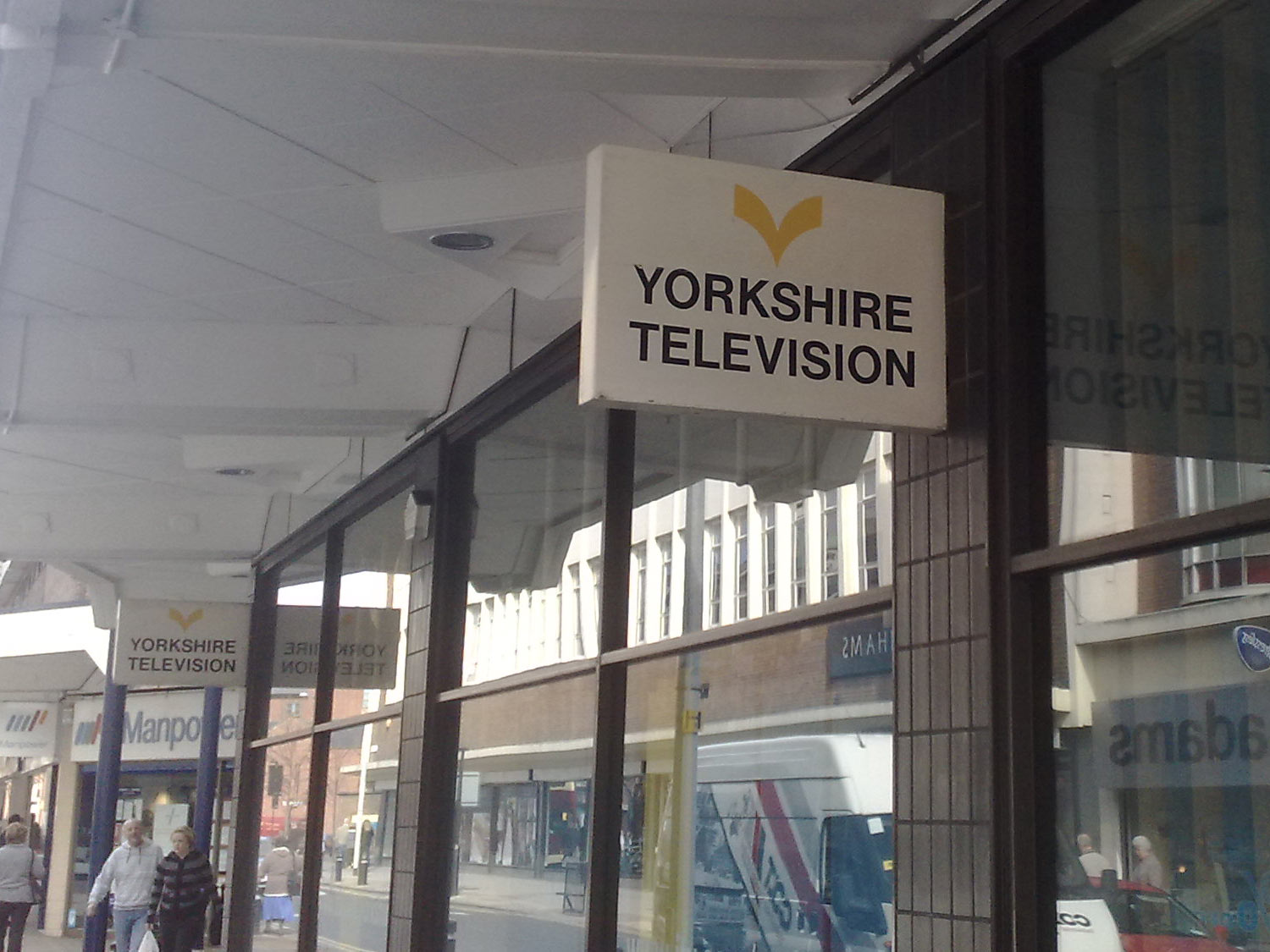
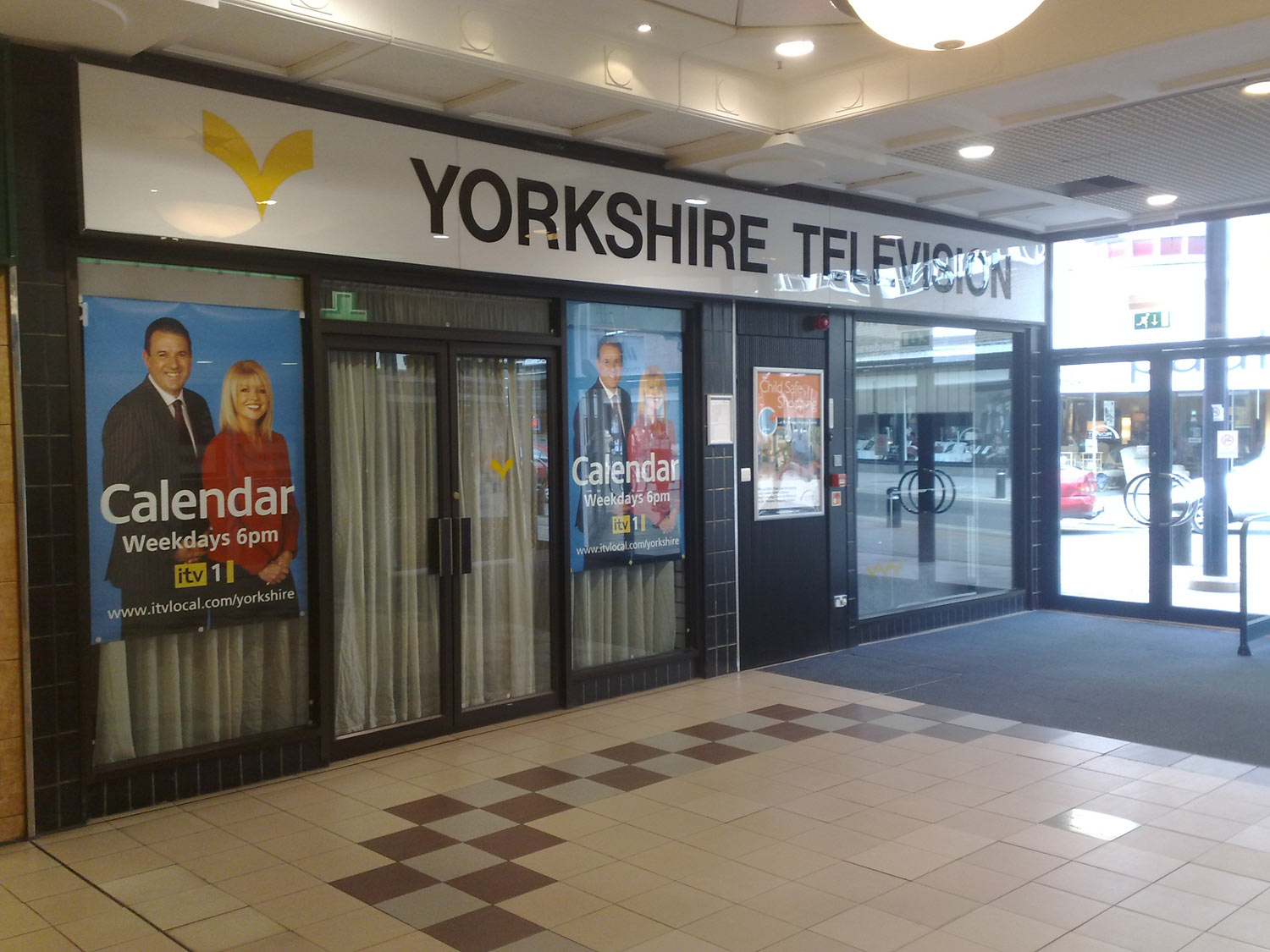
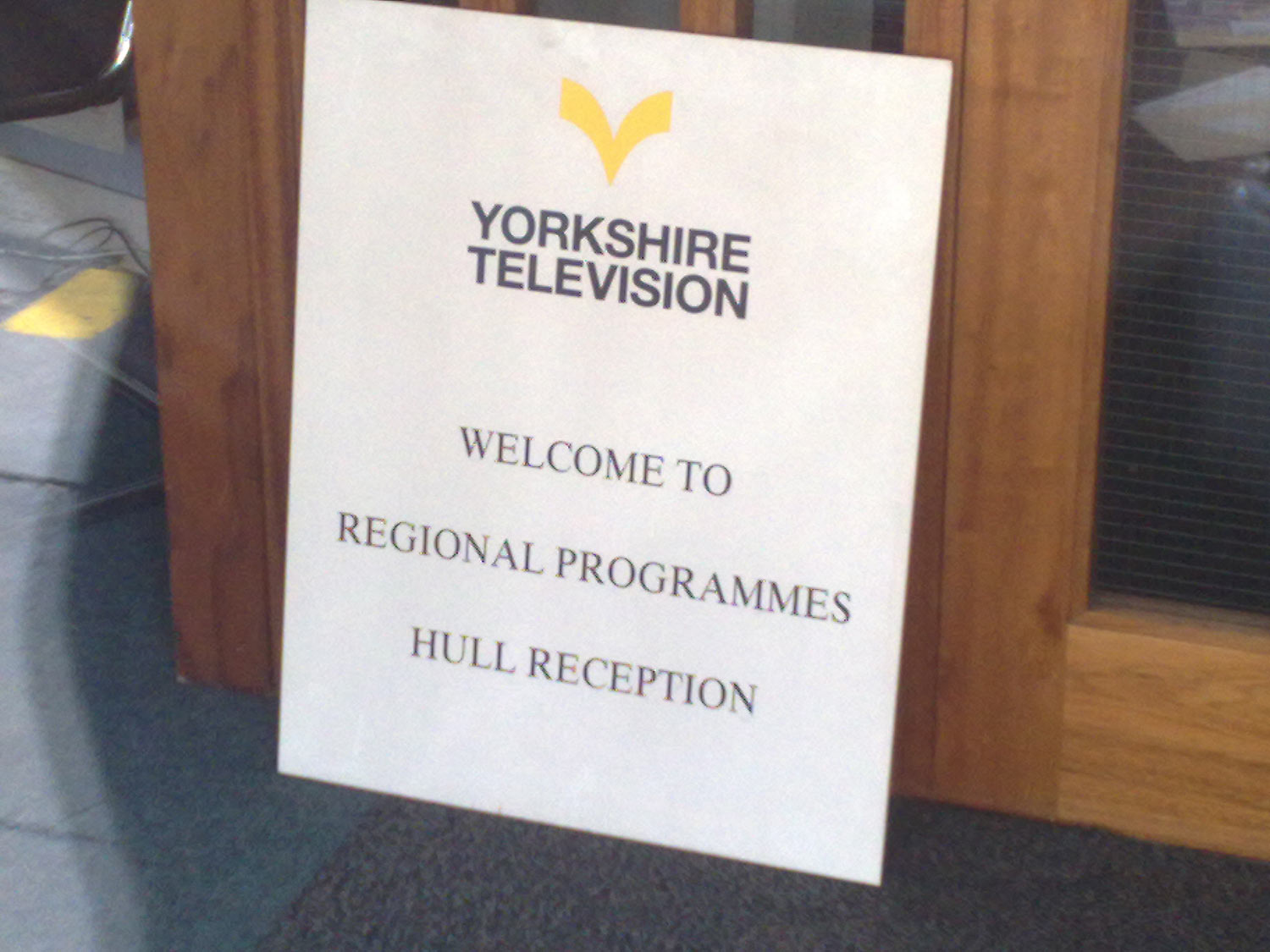
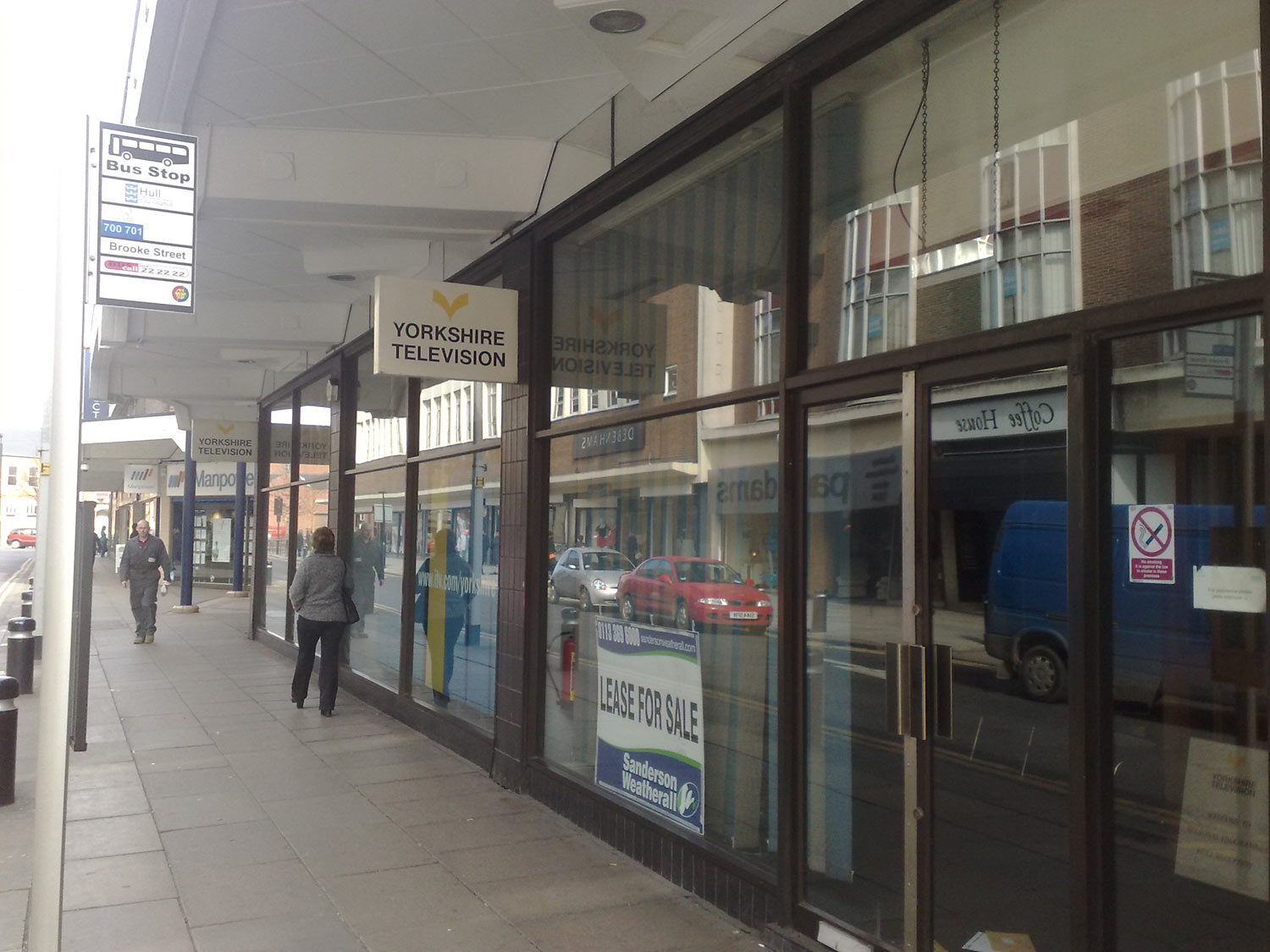
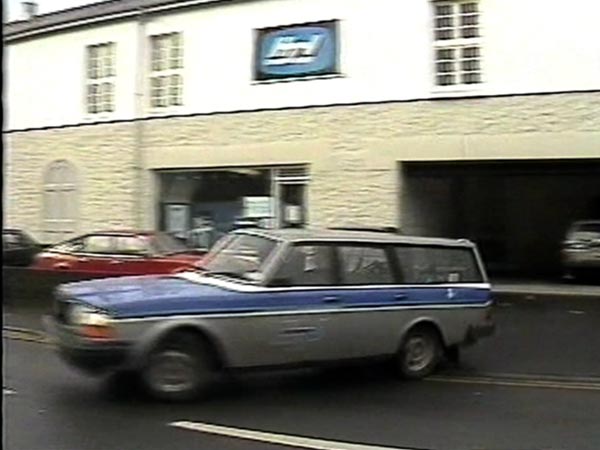
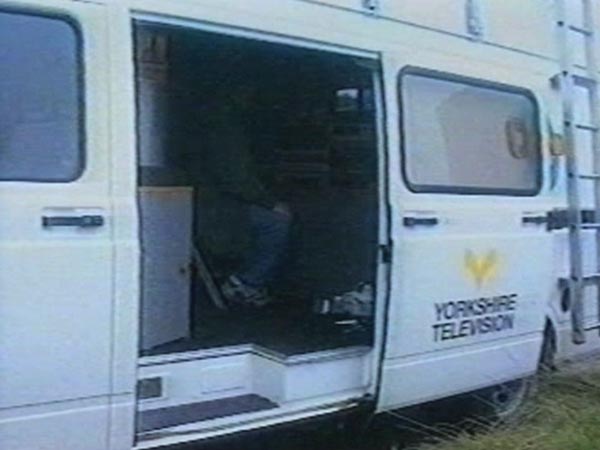
Below images of Yorkshire TV’s former shop in York, and TV base in Hull. Thanks to Tim Moody for the pictures.